
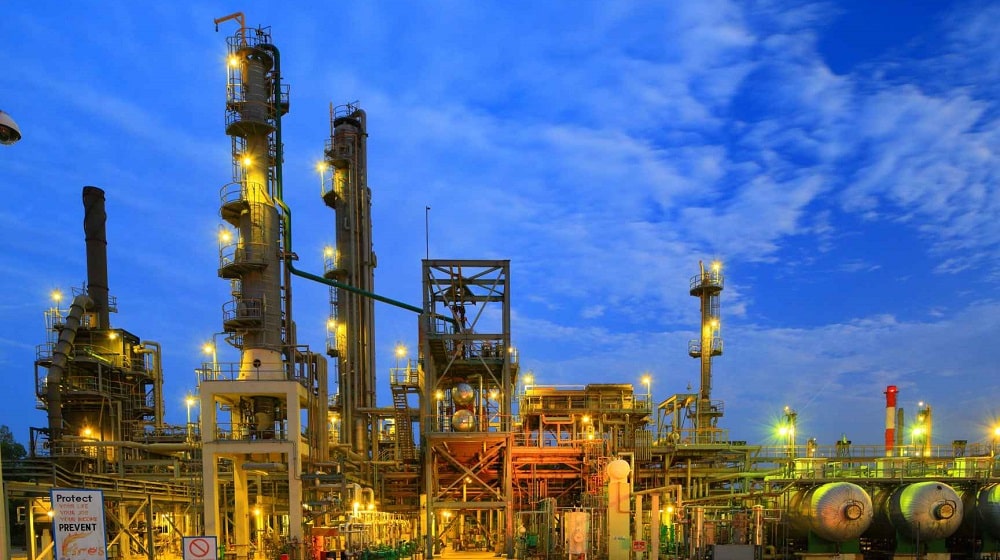
National energy security relies on a calibrated logistical framework to maintain systemic equilibrium. Recently, Attock Refinery Limited (ARL) experienced a significant refinery supply disruption after shutting down its primary crude distillation unit. This tactical halt originated from sudden road closures in Islamabad, which were necessitated by the arrival of foreign delegates. Consequently, the suspension of oil tanker movement has created a temporary bottleneck in Pakistan’s energy corridor.
The Translation: Analyzing the Logistical Bottleneck
The operational logic at Attock Refinery involves a continuous flow of raw materials and finished products. The refinery’s main unit, HBU I, maintains a precision capacity of 32,400 barrels per day. When VIP movements restricted Islamabad’s arterial roads, the refinery could no longer receive crude oil or dispatch refined Motor Spirit (MS) and High-Speed Diesel (HSD). Strategic inventory management dictates that when storage tanks reach capacity because of dispatch failures, the refining process must pause to ensure safety and structural integrity.
Socio-Economic Impact: What This Means for Citizens
This disruption directly affects the daily lives of Pakistani professionals and households in the following ways:
- Supply Volatility: While refineries have ample stock, the transport delay creates artificial scarcity at local fuel stations.
- Economic Friction: Commuters in Northern Pakistan may face longer queues and potential price anxiety if supply routes remain blocked.
- Systemic Efficiency: The incident highlights how non-economic factors, such as diplomatic movements, can temporarily destabilize industrial productivity.

The Forward Path: Momentum Shift vs. Stabilization
The current development represents a Stabilization Move rather than a long-term failure. Attock Refinery’s decision to shut down HBU I is a calibrated response to prevent over-pressurizing storage systems. However, this event serves as a catalyst for a broader discussion on energy resilience. To maintain national momentum, Pakistan must architect dedicated energy corridors that remain immune to urban traffic fluctuations. Ensuring that refinery supply disruption risks are minimized is vital for sustaining the industrial baseline of the country.








