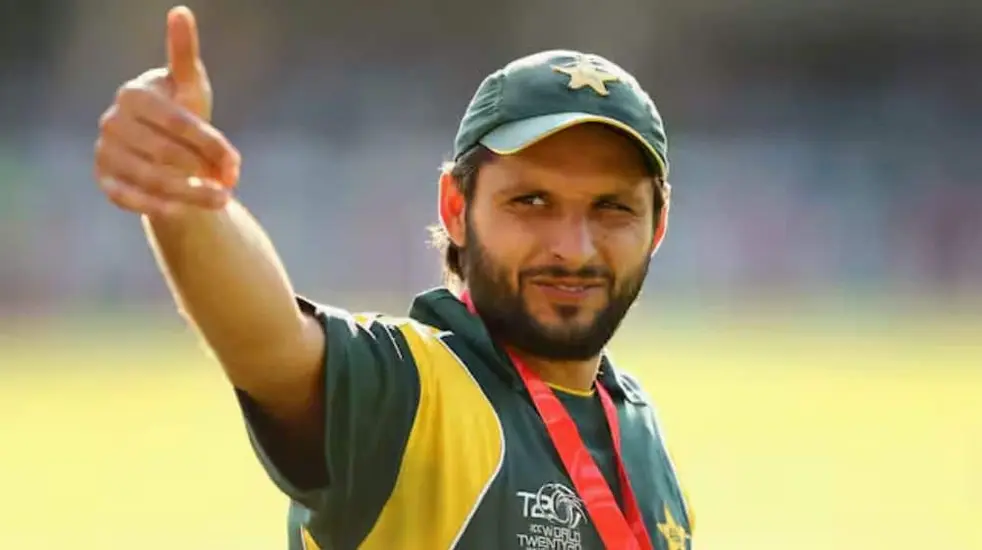
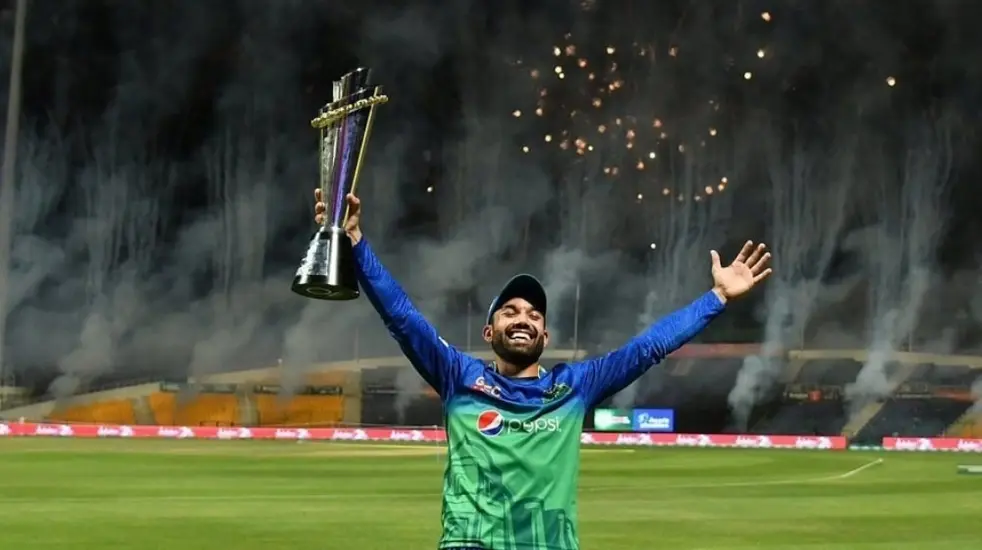
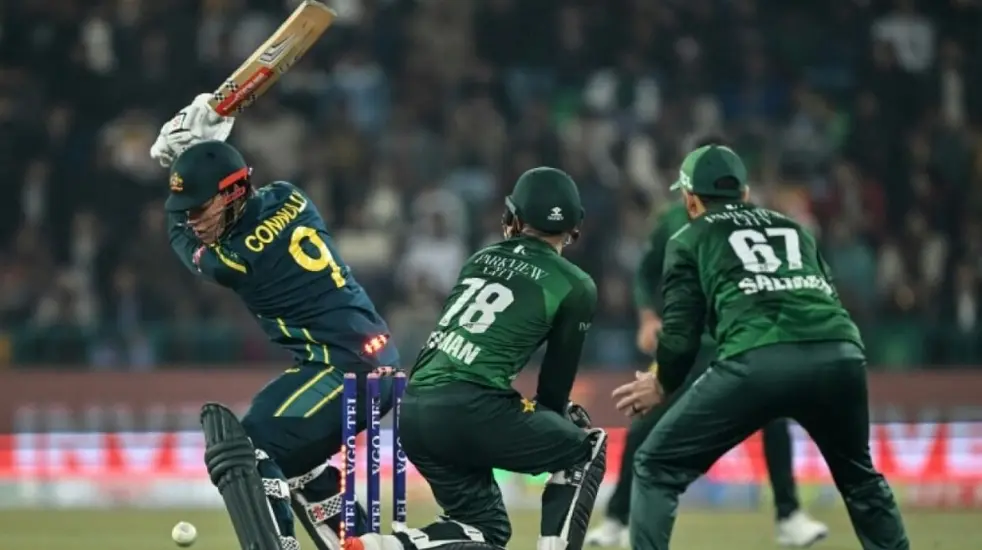
The Pakistan Cricket Board (PCB) has officially calibrated the Pakistan Test Squad for the upcoming two-match series against Bangladesh. This strategic roster update introduces four uncapped players into the red-ball system, reflecting a broader intent to diversify the national talent pool. Shan Masood maintains his position as the tactical lead, providing a consistent baseline for the team as they prepare for the high-stakes environment in Dhaka and Sylhet.
Calibrated Strategy: The Pakistan Test Squad Composition
The selection committee prioritized emerging talent by awarding maiden call-ups to Abdullah Fazal, Amad Butt, Azan Awais, and Muhammad Ghazi Ghori. Consequently, several established names were omitted to create space for this infusion of fresh energy. Aamir Jamal and Abdullah Shafique are among those excluded, signaling a significant structural adjustment in the national red-ball framework.

| Official 16-Member Roster | |||
|---|---|---|---|
| Shan Masood (c) | Abdullah Fazal | Amad Butt | Azan Awais |
| Babar Azam | Hasan Ali | Imam-ul-Haq | Khurram Shahzad |
| Mohammad Abbas | Mohammad Rizwan (wk) | Muhammad Ghazi Ghori | Noman Ali |
| Sajid Khan | Salman Ali Agha | Saud Shakeel | Shaheen Shah Afridi |
Logistics and Strategic Coaching Roles
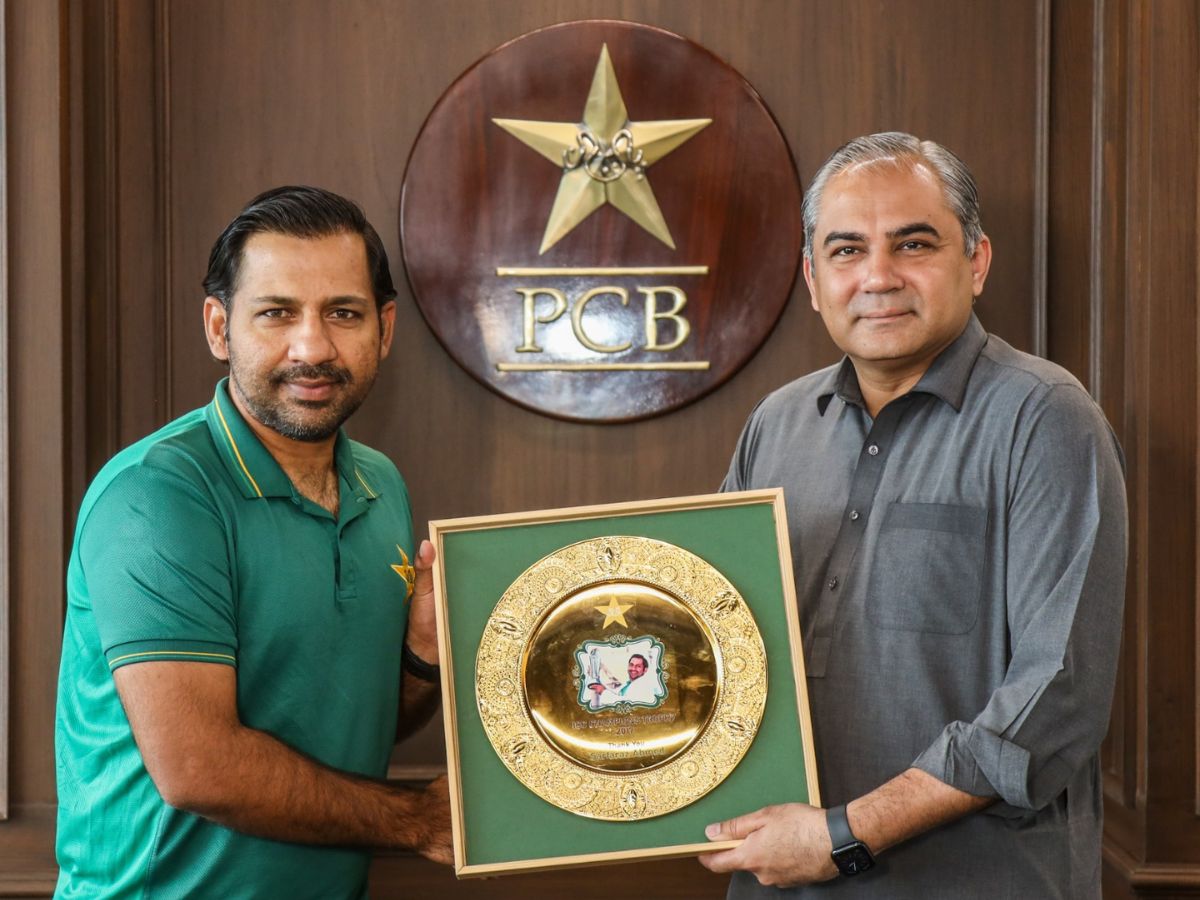
The PCB also confirmed a precision-oriented coaching staff. Former captain Sarfaraz Ahmed will operate as the head coach, supported by Asad Shafiq and Umar Gul in specialized batting and bowling capacities. The squad will assemble in Karachi on April 27 for a pre-tour camp designed to synchronize tactical plans before departing for Bangladesh on May 2. This series holds critical importance as it contributes to Pakistan’s standing in the ICC World Test Championship (WTC).
The Translation: Contextualizing the Shift
The inclusion of four uncapped players isn’t merely about “trying new things.” It represents a data-driven pivot toward youth and long-form durability. By appointing Sarfaraz Ahmed as head coach, the PCB is bridging the gap between current on-field leadership and veteran strategic insight. This move effectively integrates institutional memory with active playing dynamics.
The Socio-Economic Impact: Cricket as a Catalyst
Success in international cricket serves as a high-velocity driver for Pakistan’s sports economy. Furthermore, the promotion of new players like Azan Awais creates a clear pathway for aspiring athletes across rural and urban centers. For the Pakistani citizen, this development signals a meritocratic evolution within one of the country’s most influential cultural institutions, fostering national pride and economic interest in sports infrastructure.
The Forward Path: Our Analytical Verdict
This squad announcement constitutes a Momentum Shift. The PCB is no longer relying on a static pool of veterans but is actively engineering a transition period during the ICC World Test Championship. If these uncapped players stabilize the middle order and bowling attack, Pakistan will have successfully navigated a complex phase of structural renewal.