Understanding the Incident: A Baseline for PSL 11 Player Safety
A critical incident transpired during Islamabad United’s training in Karachi, highlighting the inherent risks in high-performance sports. Fast bowler Mir Hamza Sajjad was struck on the head by a ball during net practice, necessitating swift medical response. This precision incident, occurring in a controlled environment, immediately prompted urgent medical attention and a temporary halt to team activities. Furthermore, the prompt action by team personnel ensured Hamza’s immediate transfer to Aga Khan Hospital for comprehensive evaluation.
Upon impact, Mir Hamza Sajjad briefly lost consciousness; however, Islamabad United later confirmed his stable and conscious state. Consequently, a precautionary CT scan has been arranged to meticulously assess the extent of the injury and preclude any long-term structural damage. This systematic approach prioritizes athlete welfare above all, reinforcing the rigorous medical oversight within the league.
The Translation: What This Means for Our Digital Frontier
This incident, while alarming, serves as a crucial data point in the ongoing development of sports safety frameworks. “Head injury” in this context refers to a traumatic brain injury (TBI) resulting from a forceful impact. The immediate loss of consciousness signifies a concussion, requiring stringent diagnostic and recovery protocols. A CT scan, a non-invasive imaging technique, allows medical professionals to visualize brain structures and identify potential internal bleeding or fractures. Therefore, the prompt medical response and diagnostic planning represent a calibrated effort to mitigate risks.
The suspension of the training session and the team’s public communication demonstrate a proactive stance on player well-being. Moreover, this situation mandates a rigorous adherence to established return-to-play guidelines, which are scientifically designed to prevent recurrent concussions and protect long-term neurological health. This strategic pause is not merely a reaction but a structural component of modern sports management.
The Socio-Economic Impact: Daily Life and National Advancement
For Pakistani citizens, particularly aspiring athletes and their families, this incident resonates deeply. It underscores the critical importance of safety in all sporting activities, from grassroots cricket to elite professional leagues. Parents often worry about the physical risks associated with sports; therefore, seeing a rapid, professional medical response provides a degree of reassurance. This event acts as a catalyst for discussions around improved safety equipment, enhanced medical facilities at sports venues, and comprehensive insurance for athletes.
In urban centers and rural communities alike, the narrative of a national athlete’s injury amplifies awareness of sports-related trauma. Consequently, it could drive demand for better emergency medical services at local sporting events and influence policy for greater investment in sports medicine infrastructure. Professionals in healthcare and sports management will observe these developments keenly, seeking to implement best practices that protect our nation’s sporting talent and inspire confidence in the sport’s developmental trajectory.
The Forward Path: A Momentum Shift or Stabilization Move?
This development primarily represents a Stabilization Move, meticulously designed to reaffirm and reinforce existing player safety protocols rather than initiating a radical shift. The swift medical intervention and transparent communication from Islamabad United are commendable, setting a high baseline for athlete care within PSL 11. While it highlights the persistent risks in cricket, it also showcases the robust response mechanisms currently in place.
The scheduling of a precautionary CT scan further exemplifies a commitment to structural integrity in player health management. Ultimately, this incident serves as a critical data point for continuous improvement, ensuring that the operational efficiency of player protection systems remains optimally calibrated. It underscores the ongoing commitment to athlete welfare, which is a foundational element for the sustained advancement of Pakistani sports.
Upcoming Fixtures and Team Trajectory
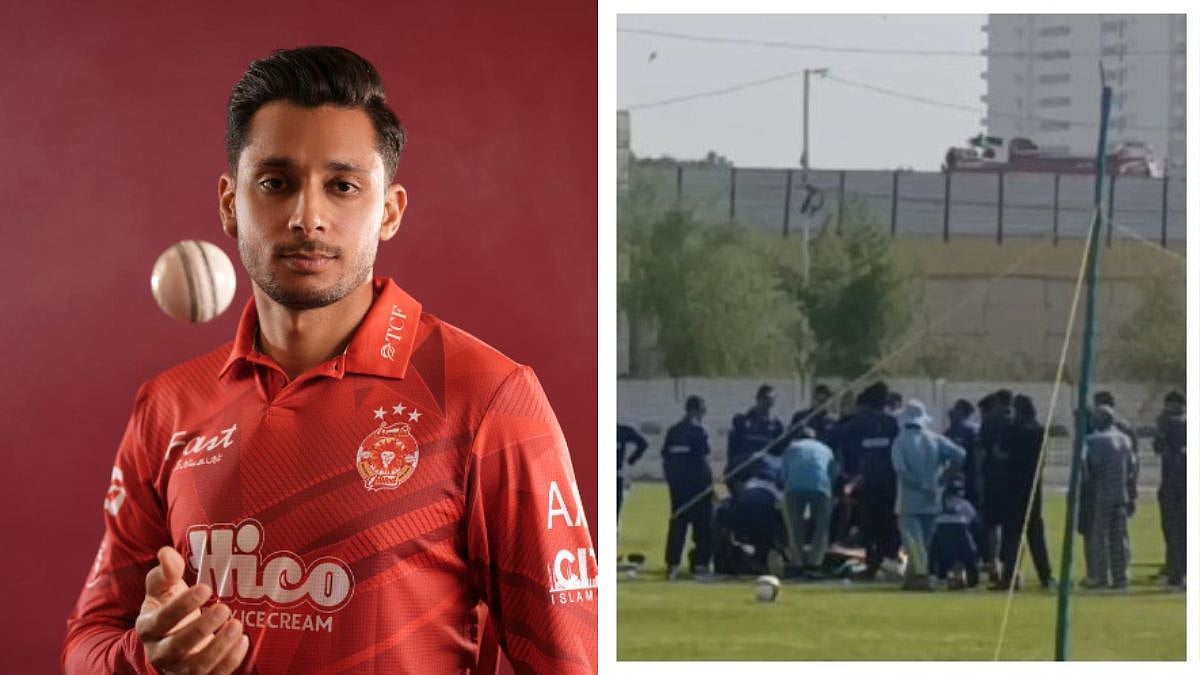
Despite the temporary setback, Islamabad United prepares for their Karachi leg of PSL 11, facing defending champions Lahore Qalandars at the National Stadium. The three-time PSL champions are currently positioned third in the league standings, with 5 points from four matches. Their record includes two wins, one loss, and one no-contest due to adverse weather conditions.
This upcoming fixture represents a critical strategic juncture for the team. Maintaining competitive momentum while ensuring the full recovery and well-being of their players will be paramount. Therefore, calibrated team management decisions will be essential as they navigate the remainder of the tournament, prioritizing both performance and player health.