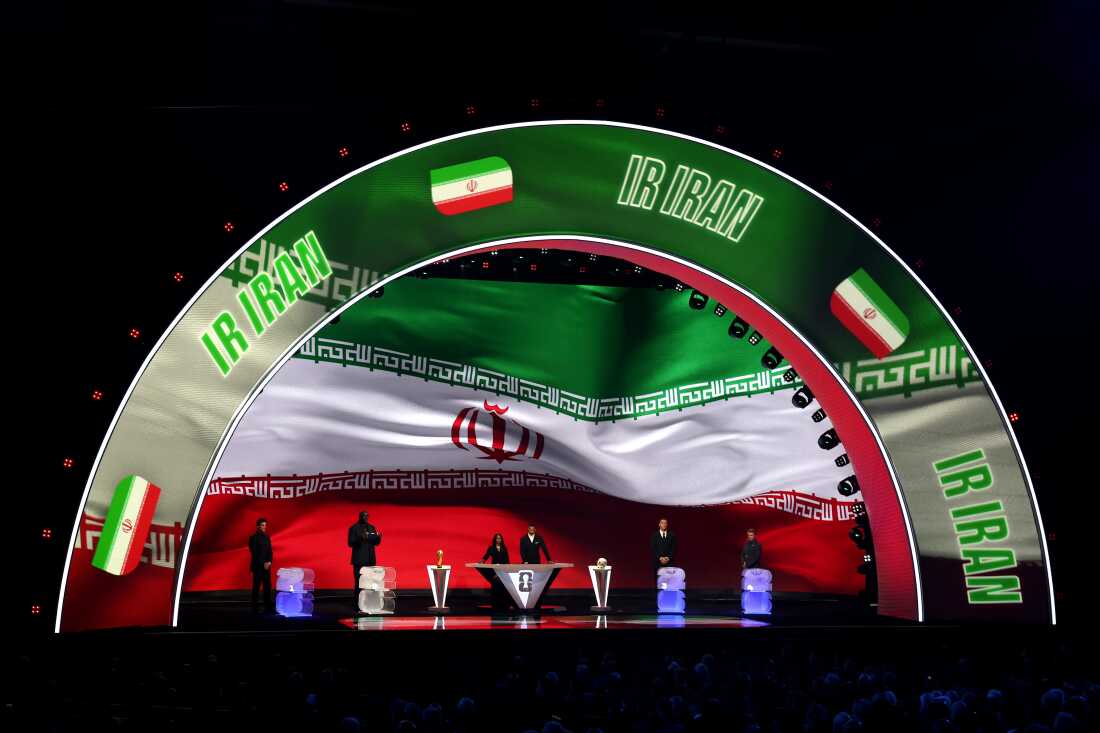
The geopolitical landscape is directly influencing global sports, with Iran World Cup 2026 participation now under significant strategic review. Iran’s sports minister has declared the national team’s involvement in the 2026 FIFA World Cup “impossible” due to acute security concerns. This decisive statement follows reported US strikes and the killing of Supreme Leader Ayatollah Ali Khamenei, intensifying regional tensions. Consequently, the Iranian Football Federation president also questions the viability of sending a national team, despite Iran being the first nation to qualify for the tournament.
Understanding the Geopolitical Calibrations for Iran World Cup 2026
Minister Ahmad Donyamali precisely articulated the government’s stance, citing an inability to guarantee the safety of players, staff, or supporters. The 2026 World Cup is collaboratively hosted by the United States, Canada, and Mexico, with Iran’s group-stage fixtures notably scheduled in Los Angeles and Seattle. Furthermore, the Iranian Football Federation president, Mehdi Taj, echoed these grave doubts, posing a critical question about the willingness to field a team under such perilous conditions. These declarations emerge amidst heightened regional instability, catalyzed by recent US and Israeli airstrikes on Iran, which have escalated the conflict in the Gulf.

The Translation: Navigating National Interests and International Sporting Arenas
In essence, the Iranian government prioritizes national security and the well-being of its citizens over its sporting commitments. The declaration by the sports minister is not merely a statement of intent but a structural assessment of logistical and safety challenges. It translates into a direct response to perceived threats, indicating that the nation’s capacity to engage in international events like the World Cup is currently compromised. While FIFA President Gianni Infantino has reportedly discussed the situation with US President Donald Trump, receiving assurances of Iran’s welcome, the internal security assessment remains paramount for Tehran. This highlights a fundamental divergence between diplomatic sporting gestures and the immediate, on-ground realities shaping national policy.
The Socio-Economic Impact: Beyond the Pitch for Pakistani Citizens
While this development directly concerns Iran, its regional implications are significant. For Pakistani citizens, particularly those invested in regional stability and economic connectivity, such escalations have tangible effects. Increased tensions in the Gulf can lead to calibrated shifts in trade routes, energy prices, and overall regional security perceptions. Students aspiring to careers in international relations or sports management observe how geopolitical forces can disrupt global events. Professionals in logistics and trade might encounter supply chain volatility. Consequently, a stable regional environment is a baseline requirement for economic predictability and peace, underscoring how even a sports event decision can ripple through daily life, impacting market confidence and travel considerations across the wider Middle East.

The “Forward Path”: A Stabilization Move in a Volatile System
This development represents a Stabilization Move. While disruptive to the sporting calendar, Iran’s decision, if finalized, is a calculated measure to mitigate risks within a volatile system. It is not indicative of a forward momentum shift in international sporting integration, but rather a tactical pause to address immediate national security imperatives. From a strategic perspective, prioritizing citizen safety is a foundational element of state responsibility. However, it also underscores the fragility of international cooperation when juxtaposed against escalating regional conflicts. The calibrated withdrawal signals an emphasis on internal consolidation during a period of external pressure. Future participation will hinge on a de-escalation of tensions and a structural re-evaluation of security protocols.