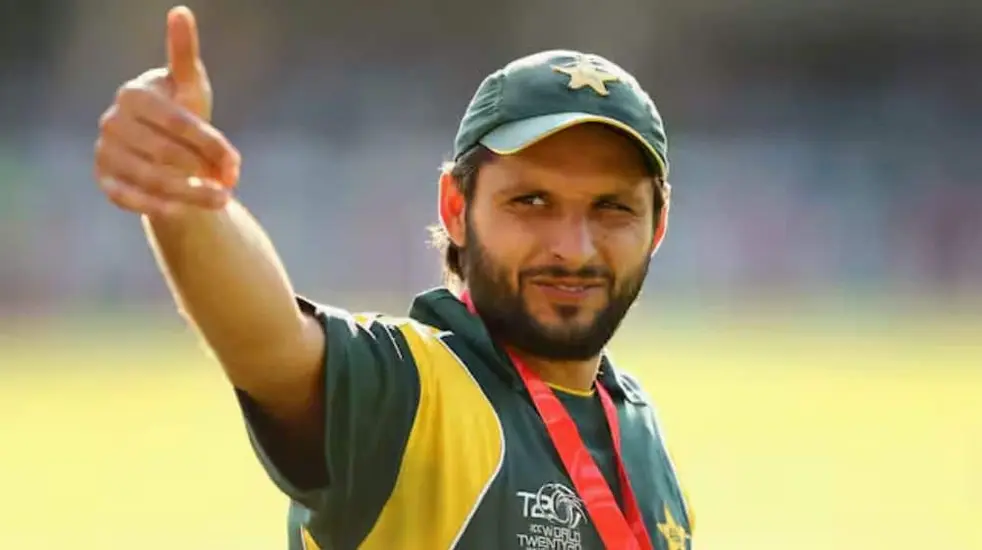
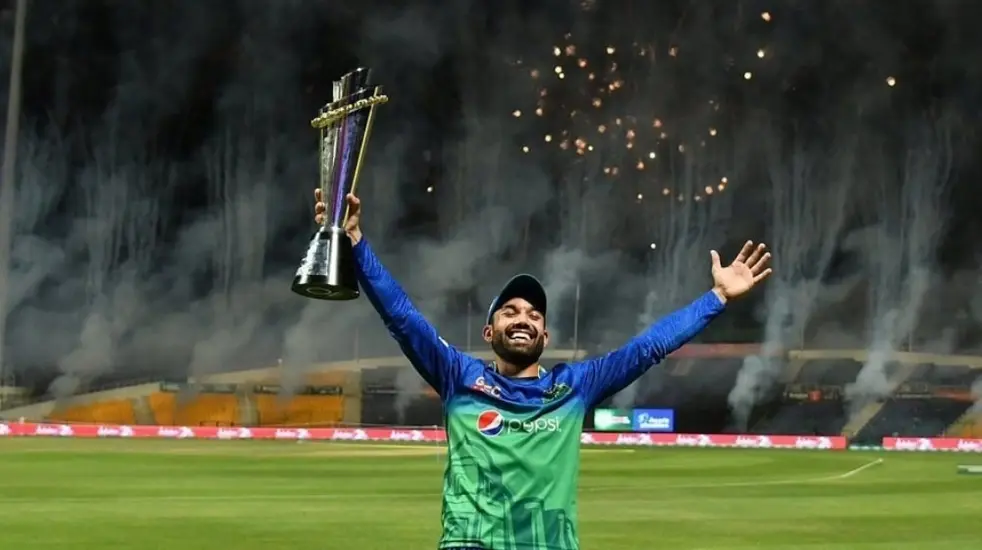
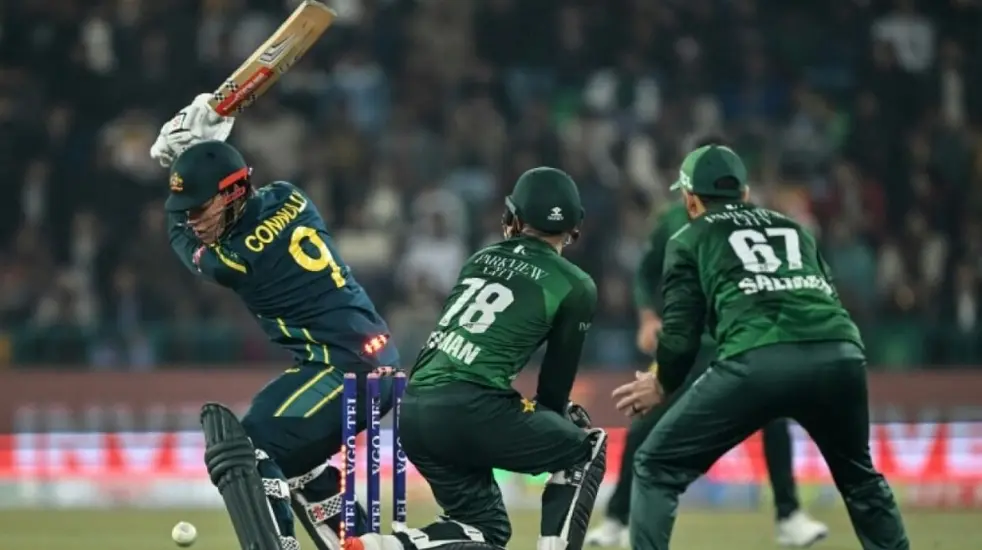
The current Babar Azam Performance during the T20 World Cup 2026 has ignited a structural debate, with an Islamic scholar asserting supernatural interference via “black magic” as the root cause for his decline. This significant claim prompts an analytical assessment of his recent statistical trajectory, contrasting anecdotal explanations with quantifiable data across various formats. Ultimately, understanding the factors impacting a national asset’s output requires precision beyond conjecture, demanding a baseline evaluation of form and future strategic adjustments.
Deciphering the Dip: Beyond Anecdote to Data-Driven Analysis
A prominent Islamic scholar recently gained significant traction for publicly attributing Pakistan captain Babar Azam’s current struggle to “black magic.” This assertion, while resonating with certain cultural narratives, requires translation into a clear, analytical context. Essentially, it posits that external, non-quantifiable forces are actively impeding his professional capabilities. In contrast, a data-centric perspective examines observable metrics, such as strike rates, averages, and consistency. Consequently, understanding this dichotomy is critical for a nation striving for data-informed progress.
Analyzing Babar Azam Performance necessitates isolating verifiable facts from speculative interpretations. During the T20 World Cup 2026, his output has been demonstrably below his established world-class standards. Specifically, he has scored just 91 runs across five innings, maintaining an average of 22.75. This statistical baseline highlights a tangible dip in operational efficiency, irrespective of the underlying causes being debated.

Furthermore, Babar’s strike rate of 104.17 against England in the Super 8s was a critical flashpoint. Such metrics are not subject to supernatural influence; rather, they reflect tactical execution and form. Head coach Mike Hesson’s decision to shift Babar to No. 4, citing a historical powerplay strike rate below 90 in World Cups, underscores a strategic adaptation based on objective performance data. This structural adjustment aims to recalibrate the team’s batting order for optimal output.

Precision in Performance: Impact on Pakistan’s Aspirations
The Babar Azam Performance trajectory extends beyond the cricket pitch, influencing national morale and the perception of professional excellence. For Pakistani students and aspiring athletes, consistent, high-level output from national figures like Azam serves as a powerful inspiration. A perceived decline, especially when attributed to non-scientific explanations, can subtly erode the emphasis on disciplined training, analytical assessment, and strategic development.
For professionals and households in both urban and rural Pakistan, the narrative surrounding a national hero’s performance impacts collective confidence. When discussions shift from technical analysis to supernatural claims, it inadvertently detracts from a culture of problem-solving and evidence-based decision-making. Consequently, fostering a mindset of rigorous self-improvement and objective evaluation is paramount for societal advancement. This situation highlights the need to focus on tangible solutions rather than speculative ones.
Ultimately, the performance of key public figures reflects on national identity. Ensuring that discourse remains grounded in facts, even amidst challenges, reinforces a commitment to progress and rational thought. This alignment is vital for a developing nation building its intellectual and technical capabilities.
Strategic Recalibration: A Moment for Objective Progress
This development represents a Momentum Shift rather than a mere Stabilization Move. The candid acknowledgement of Babar Azam’s statistical decline, coupled with coaching staff’s proactive adjustments, indicates a critical juncture. While the “black magic” claims reflect a societal inclination towards mystical explanations, the forward path demands a disciplined focus on performance analytics and player development.
The data unequivocally shows a multi-year dip: no Test century since 2022 and a significant fall to 31st in T20I rankings from his previous No. 1 position. Therefore, this period necessitates a structural re-evaluation of training methodologies, psychological conditioning, and tactical roles. Pakistan’s sporting future depends on cultivating an environment where scientific analysis guides improvement, enabling our athletes to perform at peak capacity through calibrated strategies.