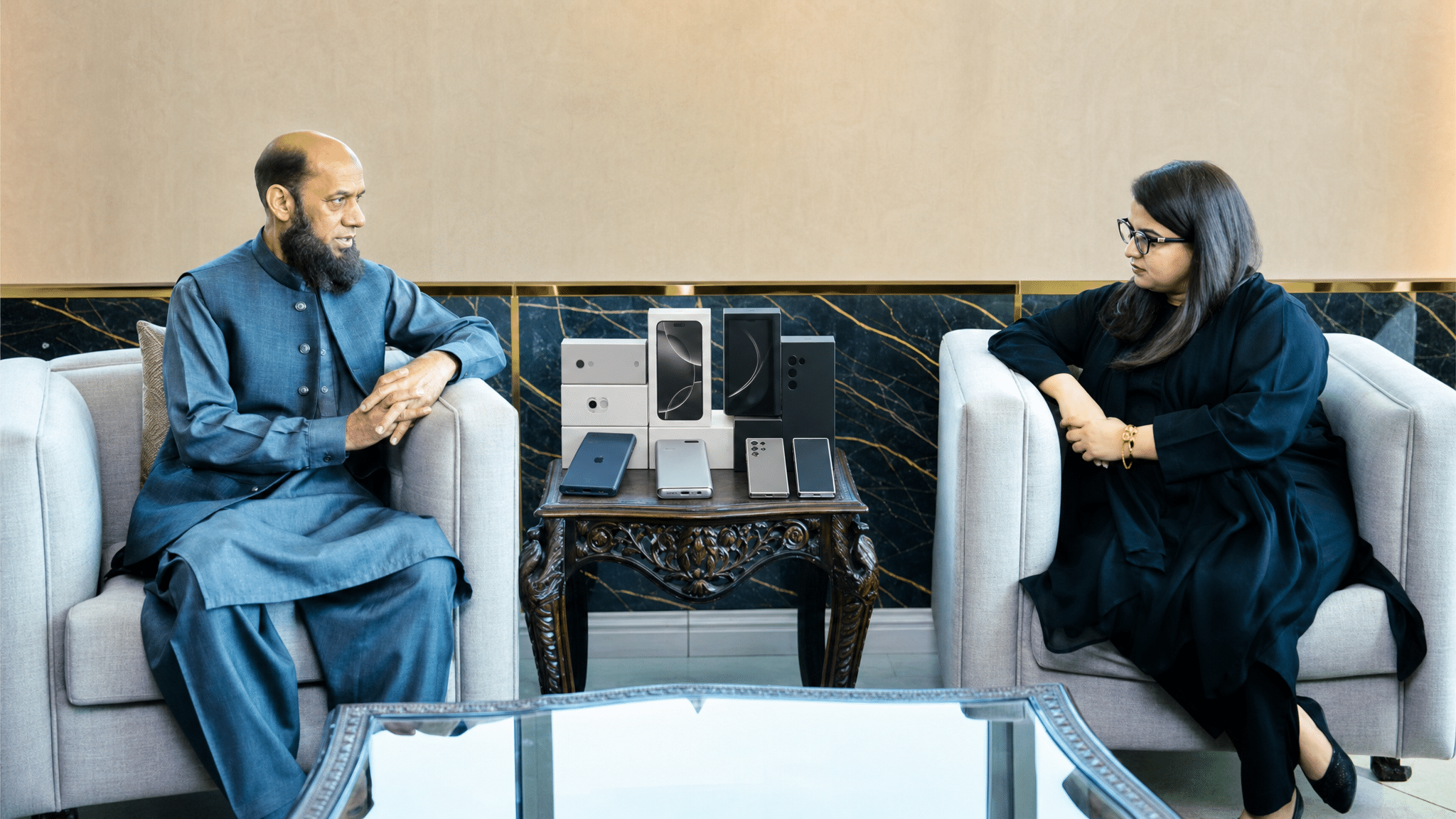
The current 60% baseline for mobile phone taxes in Pakistan has reached a critical threshold, stifling digital adoption and structural growth. During a recent parliamentary committee session, the Chairman of the Pakistan Telecommunication Authority (PTA), Major General (R) Hafeez Ur Rehman, explicitly stated that these fiscal burdens are excessively high. Consequently, the PTA continues to advocate for calibrated tax reductions to ensure the nation’s digital infrastructure remains accessible to every citizen.
Strategic Analysis of the Telecom Fiscal Framework
The PTA operates with precision as a regulator, yet it lacks the mandate to levy duties directly. Chairman Rehman clarified that the authority’s primary role involves operating the Device Identification, Registration and Blocking System (DIRBS). While the PTA whitelists devices, the federal government determines the actual tax percentages. Currently, the authority recommends annual tax cuts to catalyze the ecosystem, though these suggestions often remain unaddressed by fiscal policymakers.
Local Manufacturing vs. Premium Imports
Pakistan has successfully calibrated its local production capacity, licensing 37 companies to assemble handsets within our borders. This initiative has yielded significant results:
- Local Assembly: Approximately 26 million mobile phones are now manufactured domestically.
- Import Dependency: Only 8% of handsets are currently imported into the country.
- Premium Segment: Devices like Apple iPhones and Google Pixels constitute the bulk of imports and attract the highest taxation tiers.
The Translation
While many citizens blame the PTA for the rising cost of connectivity, the “Next Gen” logic reveals a structural disconnect. The PTA functions as the gatekeeper of device security and registration, not the architect of national tax policy. The high cost of smartphones results from federal fiscal strategies aimed at reducing import bills. However, this strategy creates a paradox where the tools needed for a digital economy become financially inaccessible to the very innovators required to build it.
The Socio-Economic Impact
The current tax structure directly disrupts the daily lives of Pakistani students and young professionals. As smartphones transition from luxury items to essential utility tools, mobile phone taxes act as a digital glass ceiling. For a household in urban Lahore or rural Sindh, a 60% tax markup means deferring the purchase of a high-performance device. This delay slows down the acquisition of digital skills and limits participation in the global gig economy.
The Forward Path (Opinion)
This development represents a Stabilization Move that has unfortunately overstayed its utility. While high taxes initially incentivized local assembly, the current 60% rate now risks stagnation. To achieve a “Momentum Shift,” Pakistan must transition from taxing hardware to incentivizing usage. We must encourage global giants like Apple to mirror the local assembly success of Samsung and Nokia. True progress requires a fiscal baseline that treats technology as a catalyst for productivity rather than a luxury for the elite.