
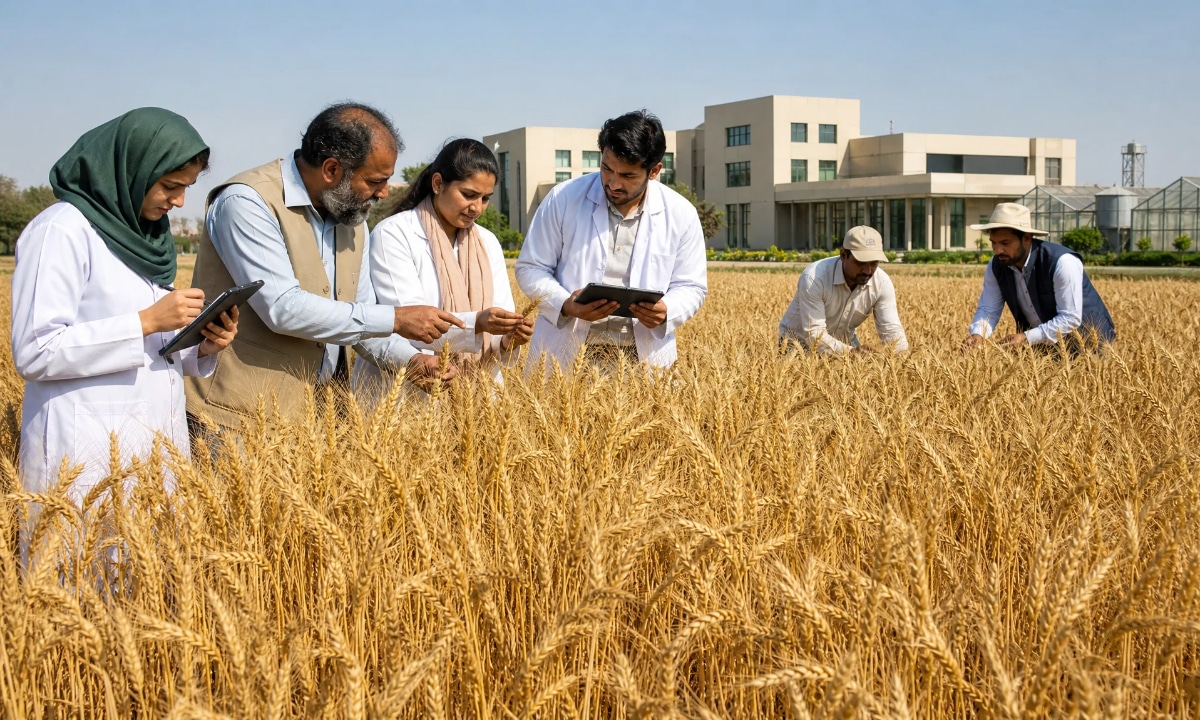
Systematic failures in agricultural inventory management currently threaten Pakistan’s food security framework. High-level government audits recently identified 4.5 million tons of missing wheat stocks in Punjab, alongside a 600,000-ton discrepancy in Sindh. This calibrated assessment suggests that structural inefficiencies in procurement have created a massive audit gap that jeopardizes national reserves.
The Translation: Analyzing the Missing Wheat Stocks
The discrepancy surfaced during a strategic government review when Punjab officials queried other provinces regarding unauthorized grain transfers. Every province denied receiving the surplus. Consequently, experts suspect a large-scale hoarding operation. While the government fixed the support price at Rs. 3,500 per 40kg, the private sector initially avoided official channels. However, prices later surged to Rs. 4,500 in neighboring provinces, incentivizing undocumented trade. Hoarders likely purchased directly from farmers, bypassing the regulatory permits and tax documentation required for a transparent supply chain.
The Socio-Economic Impact: Precision Analysis
This inventory leak directly affects the daily lives of Pakistani citizens through artificial price inflation. If authorities do not recover these missing wheat stocks, the national import bill could climb to $1 billion to meet domestic demand. For urban and rural households, this translates to higher flour prices and potential supply volatility. Furthermore, the reliance on expensive imports drains foreign exchange reserves, further destabilizing the broader economic baseline for professionals and students alike.
The Forward Path: Architecting a Solution
This development represents a Stabilization Move that has unfortunately exposed a lack of digital oversight. Pakistan must transition from manual reporting to a blockchain-integrated agricultural ledger. Precision tracking of grain movement from the field to the silo is no longer optional; it is a catalyst for national survival. Until the government releases official investigation findings, the private sector’s role in procurement remains a high-risk variable in the food security equation.








