

Pakistan’s agricultural baseline faces a structural challenge as a massive fertilizer plant shutdown affects three major facilities following a calibrated reduction in RLNG supplies. The federal government decided to curtail gas arrangements for Fatima Fertilizer, FFC Port Qasim, and Agritech Limited. This strategic shift responds to the prevailing regional volatility, forcing an immediate suspension of urea production across these industrial hubs.
Strategic Drivers of the Fertilizer Plant Shutdown
According to Muhammad Waqas Ghani, Head of Equity & Research at JS Global, the gas suspension serves as the primary catalyst for the production halt. Currently, industry analysts expect the suspension to persist until mid-August. However, the timeline remains dynamic, as operations depend entirely on government directives and the restoration of the RLNG supply chain. If gas availability improves, these critical infrastructure units could resume precision manufacturing as early as this week.
The Translation: De-coding the Gas Crisis
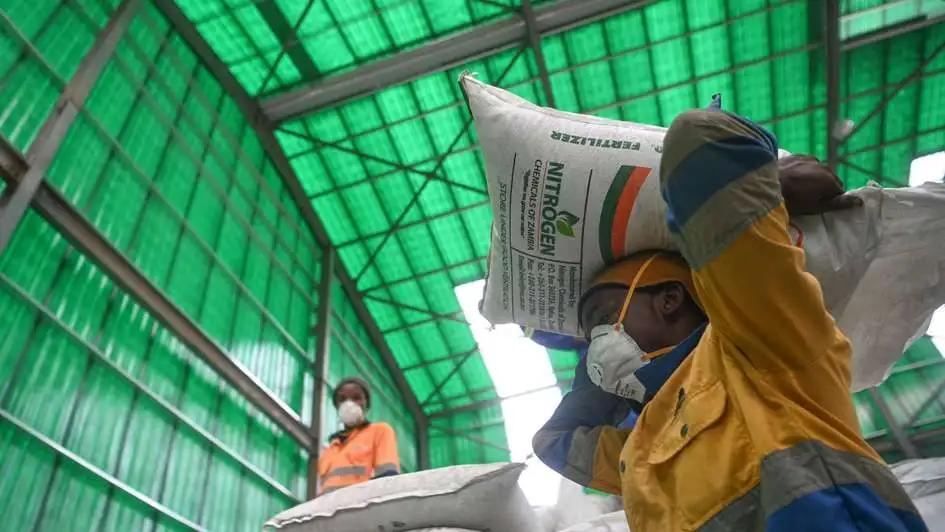
In technical terms, “RLNG curtailment” refers to a strategic rationing of imported liquefied natural gas. The government often prioritizes power generation or household heating over industrial feedstock during regional energy shocks. While Pakistan possesses the installed capacity to satisfy domestic urea demand, the system cannot function without a consistent gas baseline. Consequently, these plants transition into a “standby” mode, which creates a temporary vacuum in the national inventory.
The Socio-Economic Impact: From Factory to Farm
How does this change the daily life of a Pakistani citizen? The impact follows a specific chain of events:
- Inventory Pressure: Prolonged shutdowns reduce domestic urea output, tightening the available supply for the upcoming Rabi season.
- Cost Escalation: Reduced supply typically drives up market prices for fertilizers, increasing the baseline costs for small-scale farmers.
- Food Inflation: Ultimately, higher agricultural input costs translate into more expensive produce for urban and rural households alike.
The Forward Path: Strategic Stabilization
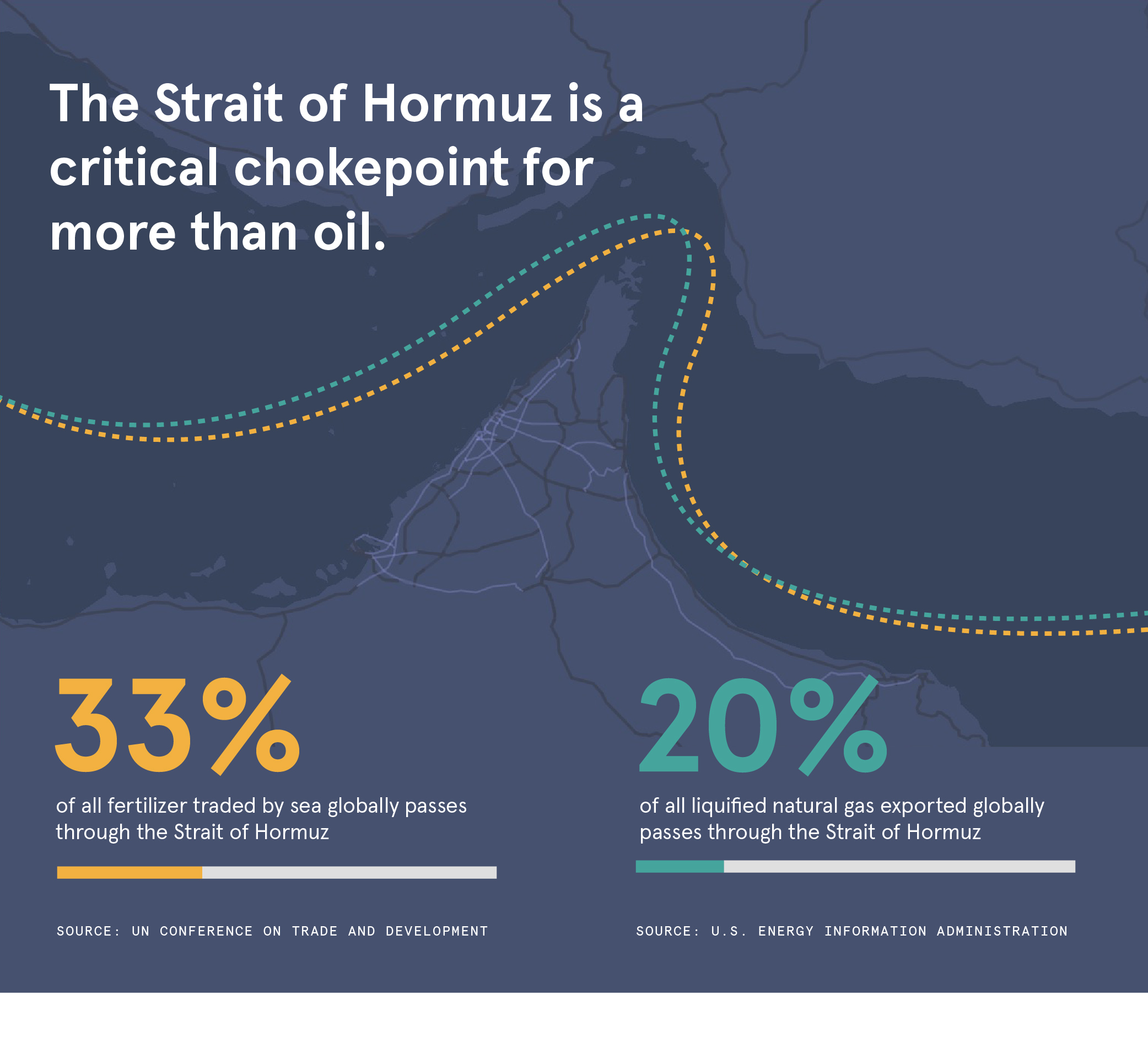
This development represents a Stabilization Move rather than a momentum shift. The government is attempting to balance the national energy grid against external geopolitical pressures. However, for Pakistan to achieve a resilient agricultural frontier, the state must transition from reactionary gas rationing to long-term energy security. Ensuring the ECC’s approved gas arrangements remain intact is vital for preventing a broader systemic failure in the food supply chain.








