

The integrity of Pakistan’s financial liquidity depends on the precision of its currency monitoring systems. Recently, Karachi law enforcement officials successfully dismantled a sophisticated counterfeit currency network targeting the high-volume Eid shopping season. SP Investigation Qais Khan reported that tactical intervention prevented the circulation of forged high-value notes. Consequently, this operation protects the baseline economic integrity of local markets during a critical commercial period.
Strategic Interception of Forged Currency
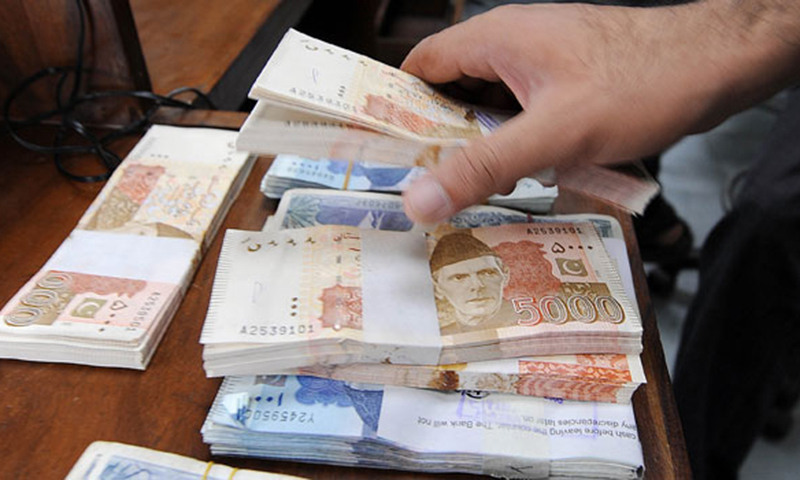
Acting on calibrated intelligence, the Karachi police intercepted three suspects before they could flood the market with illicit banknotes. Specifically, investigators discovered that the group was selling forged Rs. 5,000 notes for a mere Rs. 1,000 in genuine currency. Furthermore, the group was finalizing a transaction to exchange Rs. 100,000 in fake bills for Rs. 30,000 in legitimate cash. Such a high-discount ratio indicates a strategic attempt to exploit the rapid pace of festival commerce.
The Mechanics of the Counterfeit Currency Network
During the operation, officers recovered counterfeit currency totaling Rs. 200,000. Police identified the arrested individuals as Sajid Shahani, Saddam Jatoi, and Kamil Hamza. Officials noted that the forged notes exhibited significant technical sophistication, making them difficult for the untrained eye to detect. In addition, the authorities have registered a formal case to identify additional structural links within this criminal syndicate.
The Situation Room Analysis
The Translation (Clear Context)
This operation targets a “1:5 arbitrage” scam where criminals inject fake liquidity into the system by selling “discounted” money. The sophistication mentioned by the police suggests that this counterfeit currency network utilized advanced printing technology to mimic security features like the watermark or thread. By targeting the Eid season, they leveraged high transaction volumes where vendors are less likely to perform precision verification on every note.
The Socio-Economic Impact
The circulation of fake currency directly erodes the purchasing power of the most vulnerable citizens. For a small-scale vendor or a middle-class household, accepting a fake Rs. 5,000 note represents a total loss of daily or weekly earnings. Moreover, these illicit activities trigger a trust deficit in the physical cash economy. If the counterfeit currency network had succeeded, the resulting artificial inflation of the money supply could have subtly destabilized local price points in Karachi’s bustling markets.
The Forward Path (Opinion)
This development represents a Stabilization Move. While the arrest of three individuals provides temporary relief, it does not address the technological baseline that allows such high-quality forgeries to exist. For a true momentum shift, Pakistan must accelerate the transition toward a “Digital First” payment infrastructure. Reducing the systemic reliance on high-denomination physical notes is the only architectural solution to permanently neutralize the threat of any counterfeit currency network.








