Zong, Pakistan’s leading technology service enterprise, recently formalized a strategic partnership with the Breathe Pakistan International Climate Change Conference 2026. This high-impact platform converges policymakers, corporate architects, and climate experts to address the escalating environmental risks facing the nation. Consequently, this alliance serves as a critical catalyst for transitioning from theoretical awareness to calibrated, large-scale national action.
Strategic Synergy: The Climate Change Conference Framework
As climate pressures intensify—ranging from extreme heatwaves to deteriorating air quality—the baseline for national stability requires a structural shift. Pakistan remains one of the most climate-vulnerable nations globally despite contributing minimally to emissions. Therefore, Zong views climate action as a strategic imperative that drives operational efficiency rather than a mere secondary responsibility. Specifically, the organization is pioneering the transition toward low-carbon operations through precision technology.
From CSR to Climate Leadership: Mobilizing the Private Sector
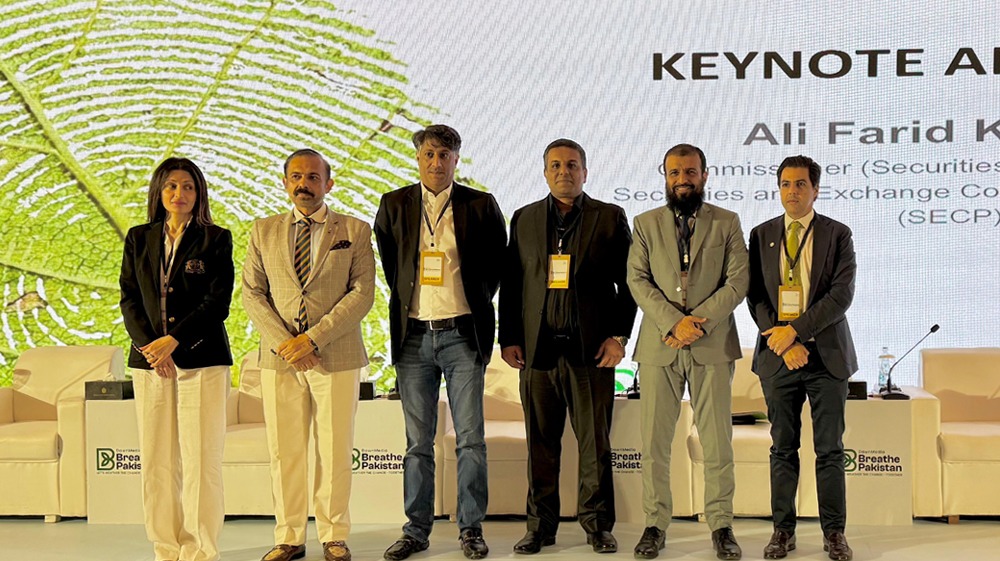
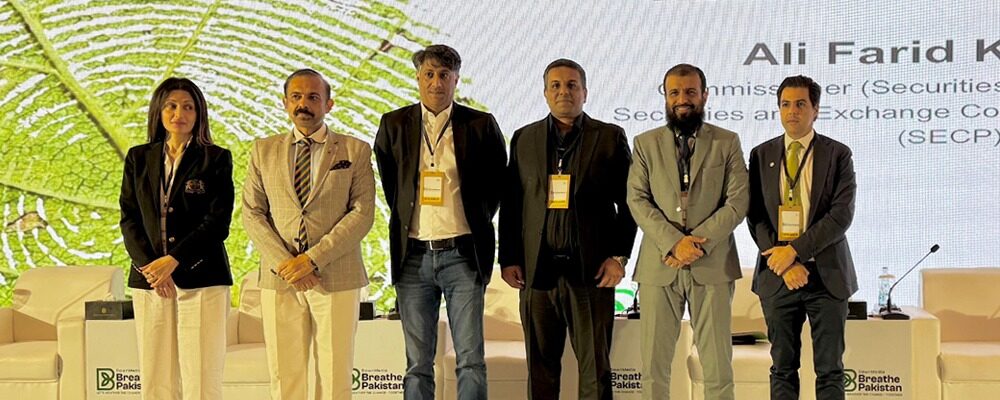
A central pillar of the summit involved a high-level panel discussion titled “From CSR to Climate Leadership.” Najeeb Ullah Khan, Deputy Director of Network Operations at Zong, emphasized that public-private partnerships are essential for advancing national resilience. Zong actively invests in intelligent network systems to ensure continuity of service during environmental crises. Furthermore, these investments reduce the corporate environmental footprint while strengthening the ability to support emergency response efforts.
Precision Infrastructure and Renewable Metrics
Zong’s commitment to resilience is hardcoded into its infrastructure strategy. To date, the enterprise has achieved the following milestones:
- 85% Transition: Successfully migrated network sites to solar and lithium-ion energy solutions.
- Clean Energy Output: Generation of 1.43 million kWh of renewable energy annually.
- Operational Savings: Flexible work practices have resulted in energy savings exceeding 22,000 kWh per month.
- Reforestation: Collaboration with the Ministry of Climate Change to plant 3,500 indigenous trees.
This shift toward energy diversification proved critical during the floods in Sindh and Balochistan. By maintaining uninterrupted connectivity, Zong functioned as a vital communications baseline for emergency responders.
The Translation: Contextualizing Green Operations
In the “Next Gen” framework, “Green Operations” signifies more than planting trees; it represents the systemic optimization of resources. By moving 85% of its network to solar power, Zong is decoupling its growth from fossil fuel dependence. This means the digital signals powering your smartphone are increasingly generated by the sun, making the entire national data grid more resilient to power outages and fuel price volatility.
The Socio-Economic Impact: Connectivity as a Lifeline
For the average Pakistani citizen, this development translates to reliability during catastrophe. When climate-induced disasters strike, traditional power grids often fail. However, Zong’s solar-powered towers ensure that families in rural Sindh or Balochistan remain connected to rescue services and loved ones. This infrastructure protects the digital economy, ensuring that remote workers and businesses can operate even when the primary energy grid is under stress.
The Forward Path: A Momentum Shift
This partnership represents a definitive Momentum Shift. Zong is moving beyond the “maintenance” phase of corporate responsibility into an “architectural” role. By embedding sustainability into the core of its telecommunications grid, the company is creating a blueprint for other Pakistani industries. This is not just a stabilization move; it is a proactive recalibration of how a developing nation can lead in the global green tech race.