
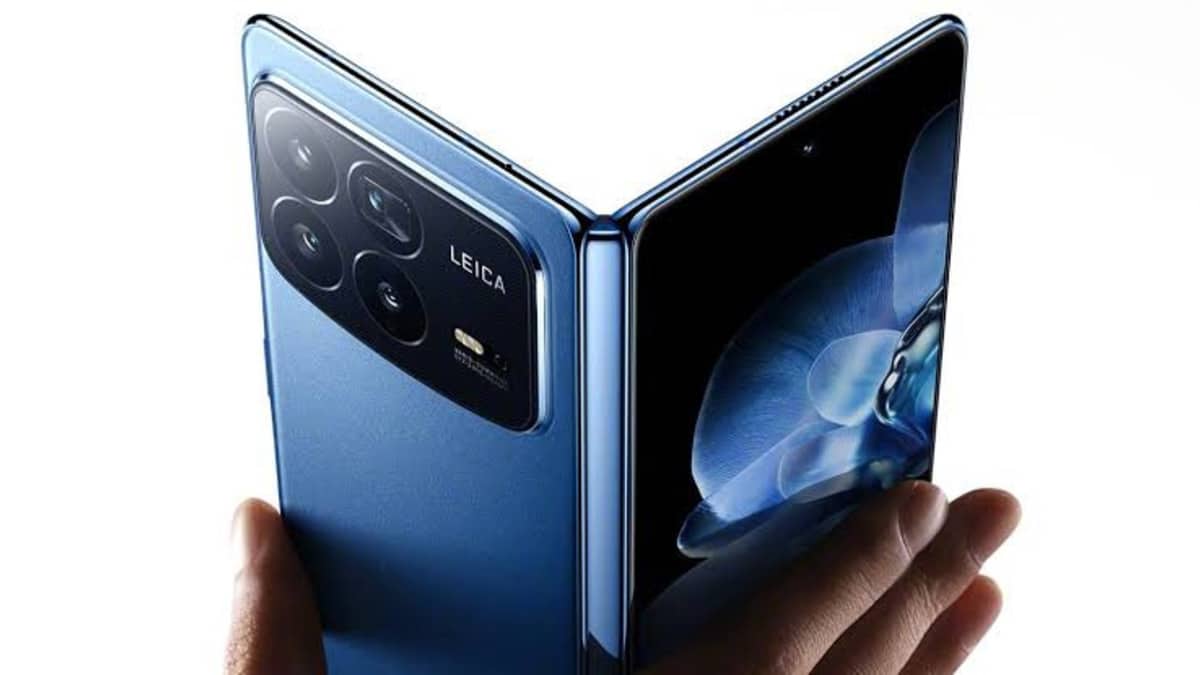
Xiaomi is calibrated for a premium pivot with the upcoming Xiaomi Mix Fold 5, a device that signals a structural shift in foldable pricing strategy. Consequently, the projected price of approximately $1,476 represents a calculated increase from its predecessor. This movement suggests that Xiaomi is leveraging proprietary silicon and high-density components to challenge the established premium baseline previously dominated by competitors.
Deciphering the Xiaomi Mix Fold 5 Price Surge
The anticipated price hike is not a random fluctuation but a result of precise economic factors. Primarily, the industry is witnessing a significant rise in memory and component costs across all Chinese flagship smartphones slated for 2026. Furthermore, Xiaomi’s strategic decision to integrate its own custom silicon significantly alters the cost architecture of the device.
Xiaomi will spread the immense development cost of its Xring O3 chip across a device that likely targets a selective, premium buyer segment. Historically, the $1,476 price bracket was reserved for top-tier Apple hardware. Now, the Xiaomi Mix Fold 5 attempts to normalize this luxury tier for the Android ecosystem.
Xring O3: A Structural Shift in Silicon
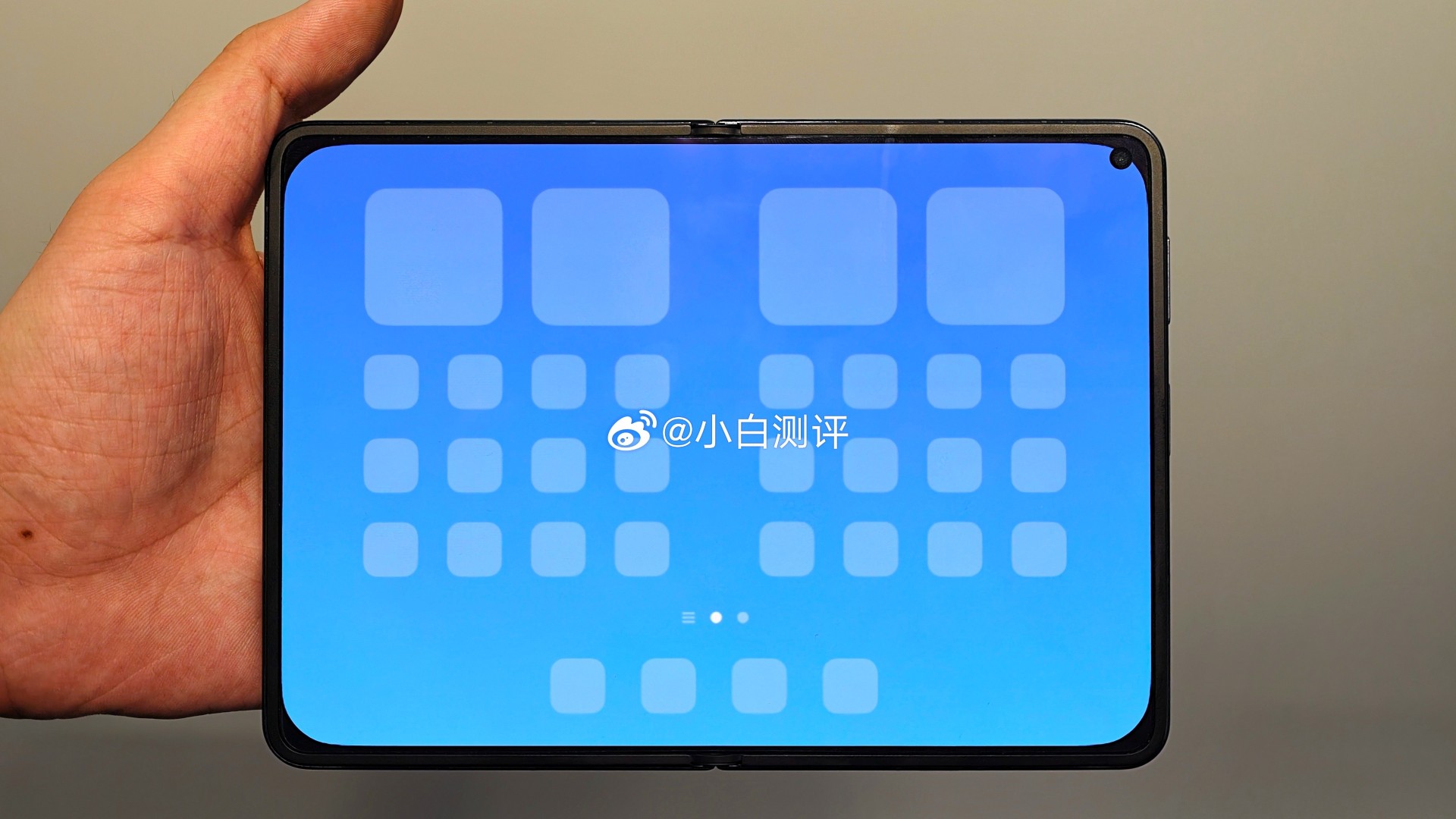
The core catalyst for this technological advancement is the Xring O3 chipset. Building on the foundation of the Xring O1, which debuted in 2025, the new O3 iteration pushes clock speeds beyond the 4GHz threshold. Specifically, the engineering team has calibrated the prime core to reach a precision frequency of 4.05GHz.
Xiaomi has implemented a three-cluster CPU layout that effectively removes the traditional big-core cluster. Instead, the architecture focuses on maximizing prime core performance and enhancing efficiency core density. This structural change targets sustained workloads and battery efficiency under heavy load, though real-world benchmarks will eventually provide the final validation.
Engineered for Regional Precision
The Xiaomi Mix Fold 5 maintains a China-only strategy due to the specific network calibration of the Xring O3 chip. Because the chipset does not support global 5G frequency bands, Xiaomi can optimize performance specifically for domestic network requirements. Based on the 2608 model code, experts anticipate a launch on August 8, 2026, aligning with the annual Xiaomi Day event.
The Situation Room: Analyzing the Foldable Shift
The Translation (Clear Context)
Xiaomi is transitioning from a consumer electronics assembler to a true semiconductor innovator. By developing the Xring O3, they are reducing reliance on third-party vendors like Qualcomm. While this increases the upfront cost for the Xiaomi Mix Fold 5, it allows for deeper integration between software and hardware, similar to the vertical integration seen in the iPhone ecosystem.
The Socio-Economic Impact
For the Pakistani tech enthusiast and professional, this development highlights the widening gap between mainstream and “ultra-premium” technology. As global components become more expensive, the localized cost of high-end imports will continue to rise. This serves as a catalyst for local professionals to seek higher-value digital skills to remain competitive in an increasingly expensive hardware environment.
The Forward Path (Opinion)
This represents a Momentum Shift. Xiaomi is no longer content with being the “value” alternative. By investing in custom silicon architecture and pricing their hardware at luxury levels, they are signaling technological sovereignty. This move stabilizes their position as a primary innovator rather than a secondary market player.








