

The recent Xiaomi 17T series leak signals a calibrated shift in the high-performance mobile ecosystem, positioning raw processing power as a catalyst for professional productivity. This comprehensive data drop clarifies the specifications for both the standard and Pro models, suggesting a release cycle that prioritizes structural hardware efficiency over incremental aesthetic updates. Consequently, these devices aim to establish a new performance baseline for the 2026 flagship market.
Architectural Design and Build Quality
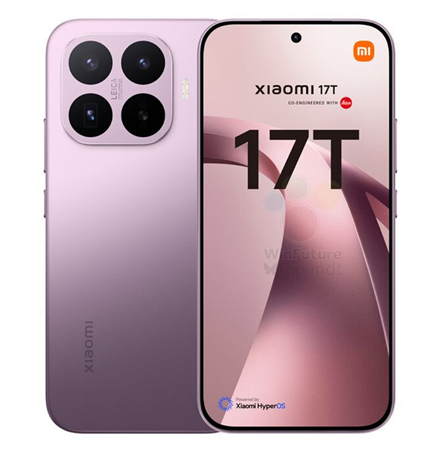
Xiaomi utilizes a tiered material strategy to differentiate the lineup. The standard 17T features a high-durability plastic frame, whereas the 17T Pro integrates a premium metal chassis for enhanced structural rigidity. Both devices offer a refined color palette including Blue, Black, and Purple options. This strategic material selection ensures that the Pro model provides the tactile precision expected of a flagship device.

Calibrated Display and Processing Power
The Xiaomi 17T utilizes a 6.59-inch AMOLED display, delivering 1.5K resolution at a 120Hz refresh rate. Internally, the Dimensity 8500-Ultra chipset manages the computational load, supported by 12GB of LPDDR5X RAM. In contrast, the Xiaomi 17T Pro scales these specs significantly. It features a 6.83-inch OLED panel with a 144Hz refresh rate, powered by the flagship Dimensity 9500 silicon. This setup provides the precision required for intensive multi-tasking and high-fidelity rendering.
Precision Optics and Energy Management
Imaging systems in the Xiaomi 17T series leak highlight the “Light Fusion” sensor technology. The Pro variant leverages the Light Fusion 950 main sensor, while both models share a 50MP telephoto lens with 5x optical zoom. Furthermore, energy density reaches a new peak with the Pro model’s 7,000mAh battery. This massive cell supports 100W wired and 50W wireless charging, ensuring the device remains a reliable tool for extended professional use.
The Translation (Clear Context)
- Light Fusion Sensors: These are custom-calibrated image sensors designed to capture higher dynamic range by merging multiple exposure data points at the hardware level.
- Dimensity 9500: This represents the pinnacle of MediaTek’s architectural engineering, competing directly with top-tier silicon to provide maximum thermal efficiency.
- HyperOS on Android 16: The software layer is optimized for system-wide low latency, ensuring that the hardware potential is fully realized.
Socio-Economic Impact: Empowering Pakistan
For the Pakistani professional and student, the 7,000mAh battery is the most significant upgrade. In an environment where consistent power access can fluctuate, a device with multi-day endurance becomes a critical utility rather than a luxury. This hardware enables remote workers and digital entrepreneurs in both urban centers like Karachi and rural areas to maintain connectivity without frequent recharging intervals. This efficiency directly boosts individual economic output.
The “Forward Path” (Opinion)
This development represents a Momentum Shift for the smartphone industry. By pushing battery capacities toward the 7,000mAh threshold while maintaining high-wattage charging, Xiaomi is forcing a structural recalibration of what a “standard” flagship must offer. This move shifts the focus from purely aesthetic updates to long-term operational reliability, which is a victory for the end-user.








