Optimizing Coastal Ecosystems: Addressing Balochistan Turtle Deaths
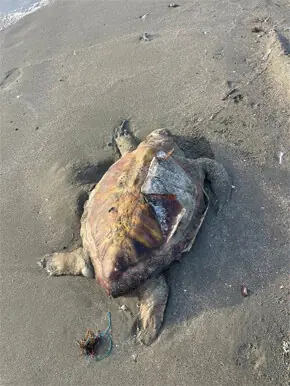
The Balochistan turtle deaths present a critical ecological challenge, necessitating immediate strategic intervention. Over the past twenty days, the World Wide Fund for Nature Pakistan (WWF-P) has observed a concerning escalation in deceased marine turtles along the Balochistan coast. This alarming trend, primarily attributed to entanglement in active fishing gear, underscores a significant setback for ongoing marine conservation initiatives within Pakistan’s vital coastal ecosystems. Consequently, calibrated actions are essential to safeguard these vulnerable populations and ensure the long-term health of our marine biodiversity.
The Translation: Understanding the Ecological Baseline
On April 13 alone, WWF-P officials confirmed the demise of three distinct turtle species—the loggerhead, green, and olive ridley—within Gwadar West Bay. Furthermore, Muhammad Moazzam Khan, a WWF-P technical adviser, reports that local fishermen have documented 15 to 20 turtle carcasses across the coastline in recent weeks. This data establishes a clear pattern: all marine turtle populations are experiencing increased anthropogenic pressure. Specifically, offshore gillnet fishing represents a significant and persistent threat, inadvertently capturing species like the olive ridley turtle.
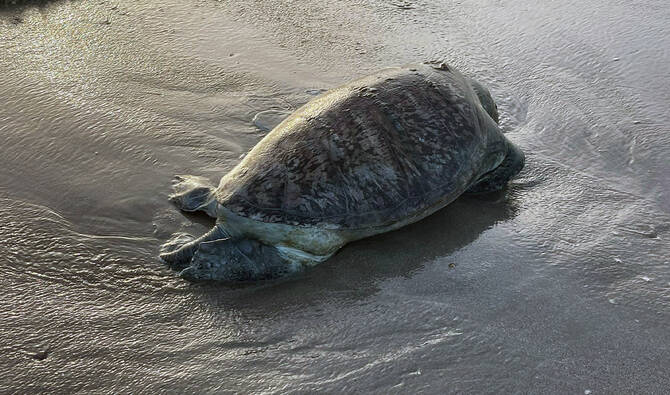
The loggerhead turtle, a species considered exceptionally rare in Pakistan, has been observed only a few times over the past four decades. In contrast, green turtles consistently utilize Pakistan’s beaches for nesting activities. Despite global improvements in their conservation status, local green turtle populations remain critically vulnerable, demanding rigorous protective measures.
The Socio-Economic Impact: Protecting Livelihoods and Legacy
The escalating marine turtle mortality has profound implications extending beyond immediate ecological concerns. For coastal communities, particularly those reliant on marine resources, the degradation of biodiversity threatens long-term livelihood stability. Furthermore, the loss of keystone species like marine turtles disrupts crucial ecosystem services, potentially impacting fish stocks and overall marine health, which directly affects local fishermen and their families. This decline also diminishes Pakistan’s natural heritage, reducing opportunities for ecotourism and scientific research, thereby impacting future generations’ connection to their natural environment. Consequently, maintaining a robust marine ecosystem is structurally vital for both environmental integrity and socio-economic resilience.

The Forward Path: Strategic Momentum or Stabilization Move?
This development represents a critical Stabilization Move. While the immediate focus is on mitigating current losses, a proactive, systematic approach is necessary to achieve sustainable progress. The observed increase in Balochistan turtle deaths necessitates a calibrated response involving more than just reactive measures. Experts advocate for immediate, targeted awareness campaigns to educate fishing communities on sustainable practices and the proper handling of bycatch. Concurrently, stricter monitoring of fishing activities and rigorous enforcement of existing regulations are essential to curtail unauthorized or harmful methods. Government departments, in conjunction with organizations like WWF-P and the International Union for Conservation of Nature (IUCN), must structurally reinforce conservation efforts. This integrated strategy will serve as a baseline for future momentum shifts, ensuring the long-term viability of Pakistan’s marine biodiversity.