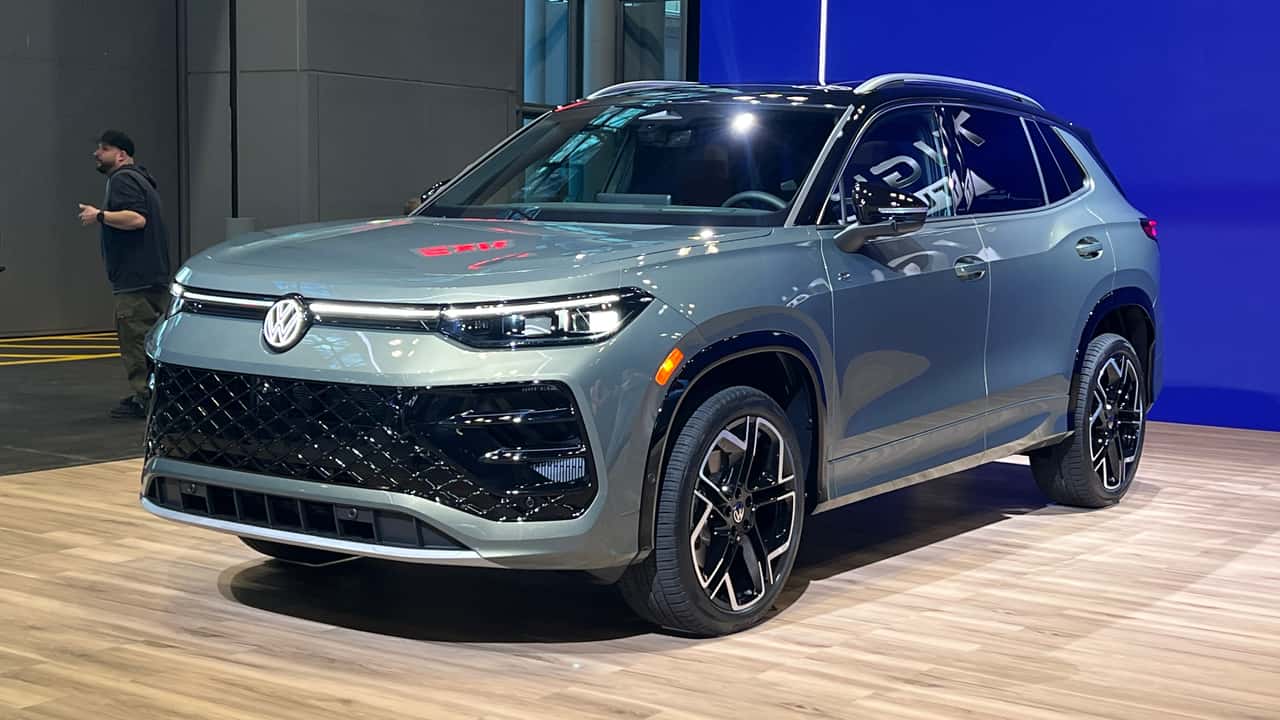
Volkswagen, currently the world’s fifth-largest automotive manufacturer, is calibrating its most significant structural overhaul to date. The proposed Volkswagen job cuts could impact as many as 100,000 employees as the company seeks to maintain its competitive baseline. This strategic move includes the potential closure of four major factories across Germany, including sites in Hanover, Zwickau, and Emden. Consequently, the organization faces a critical pivot point to address shifting global demand and rising industrial pressures.
The Logistics Behind the Volkswagen Job Cuts
The restructuring plan targets specific high-capacity facilities to streamline operational precision. If the executive board approves these measures, 45,000 jobs will face immediate risk at the primary German plants and Audi’s Neckarsulm facility. Furthermore, these reductions build upon 50,000 previously targeted positions, bringing the total workforce reduction to a staggering 100,000. Volkswagen is also analyzing a 15% reduction in total investment over the next five-year cycle.

Factors Driving the Structural Realignment
- Intense Competition: Chinese automakers are rapidly gaining market share with low-cost electric vehicles.
- Trade Barriers: Significant US tariffs on imported vehicles have disrupted traditional export models.
- Stagnant Demand: Weak consumer appetite across Europe has created a surplus in manufacturing capacity.
The Situation Room Analysis
The Translation (Clear Context)
In technical terms, Volkswagen is suffering from “capacity redundancy.” The company built its infrastructure for a high-demand era that no longer exists in the Western market. By separating its core brand and parts business into standalone entities, Volkswagen aims to isolate financial risks. Specifically, this “lean manufacturing” approach seeks to make individual units more agile against aggressive tech-driven competitors from Asia.
The Socio-Economic Impact
How does this change the daily life of a Pakistani citizen? While the factory closures are in Germany, the ripple effect is global. For Pakistani professionals in the automotive sector, this serves as a baseline warning: traditional manufacturing speed is no longer enough. We should expect a shift in the local market as European brands potentially become more expensive, while low-cost Chinese alternatives become the dominant choice for Pakistani households and urban commuters.
The Forward Path (Opinion)
This development represents a Momentum Shift. Volkswagen is not simply cutting costs; it is dismantling an outdated industrial blueprint. While the IG Metall union and the state of Lower Saxony have pledged opposition, the data suggests that structural inertia is the greater threat. For a STEM-driven future, this move is a necessary, albeit painful, calibration to ensure the long-term survival of European engineering in a digital-first world.