The World Health Organization (WHO) has officially declared a global Ebola health emergency following the detection of the lethal Bundibugyo strain in the Democratic Republic of Congo (DRC). This strategic classification signals a calibrated response to a pathogen that currently lacks approved vaccines or treatments. Consequently, the international community must now mobilize resources to contain a contagion that has already breached national borders.
Structural Analysis of the Outbreak Frontier
Health authorities have identified dozens of suspected cases across the Ituri province, specifically targeting mining towns and the urban center of Bunia. Although laboratory confirmation remains limited to a small baseline of cases, the high transmission risk necessitates immediate precision in surveillance. Furthermore, the detection of a case in Kinshasa—involving a patient with recent travel history—indicates a structural vulnerability in domestic transit corridors.

The virus has also crossed into Uganda, where a linked fatality has heightened regional anxiety. Security challenges and high population mobility in these border zones act as catalysts for rapid viral expansion. Therefore, the WHO warns that limited healthcare capacity in these sectors could accelerate a systemic collapse of local containment efforts.
Technical Profile: The Bundibugyo Strain
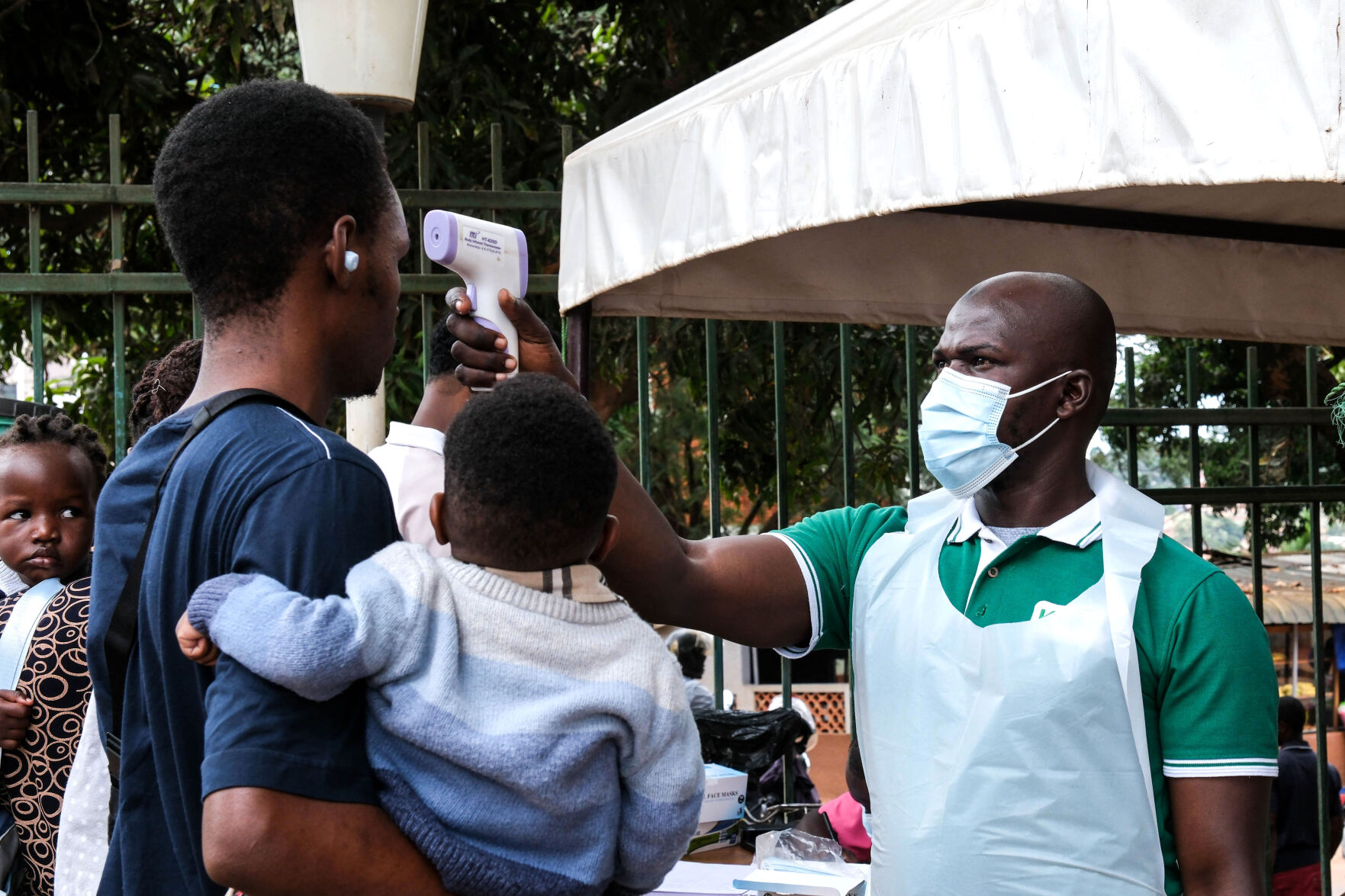
This specific iteration of the Ebola virus presents a significant challenge to global health security. Patients typically experience an initial phase of fatigue and muscle pain, which rapidly transitions into severe gastrointestinal distress and internal bleeding. Because no widely approved vaccine exists for this strain, containment relies strictly on diagnostic speed and physical isolation protocols.
The Situation Room Analysis
The Translation
When the WHO declares a “Public Health Emergency of International Concern,” it is not merely a warning; it is a legal catalyst. This status triggers international health regulations that streamline funding and mandate cross-border data sharing. It moves the crisis from a localized health issue to a global security priority, ensuring that the Bundibugyo strain receives the same R&D focus as previous outbreaks.
The Socio-Economic Impact
For the average Pakistani citizen, this development mandates heightened vigilance at international travel hubs. While the geographical distance is significant, globalized trade routes mean that systemic shocks in Africa can lead to stricter travel protocols and increased screening costs in Pakistan. For professionals and students, this may result in temporary volatility in international logistics and a shift in national healthcare funding toward preventative surveillance.
The Forward Path
This development represents a Momentum Shift in global health governance. While the situation is critical, the early declaration allows for a proactive rather than reactive posture. We view this as a necessary step to stabilize the regional health infrastructure before the pathogen achieves a wider geographic footprint.