
Strategic Drivers Behind the SBP Interest Rate Hike
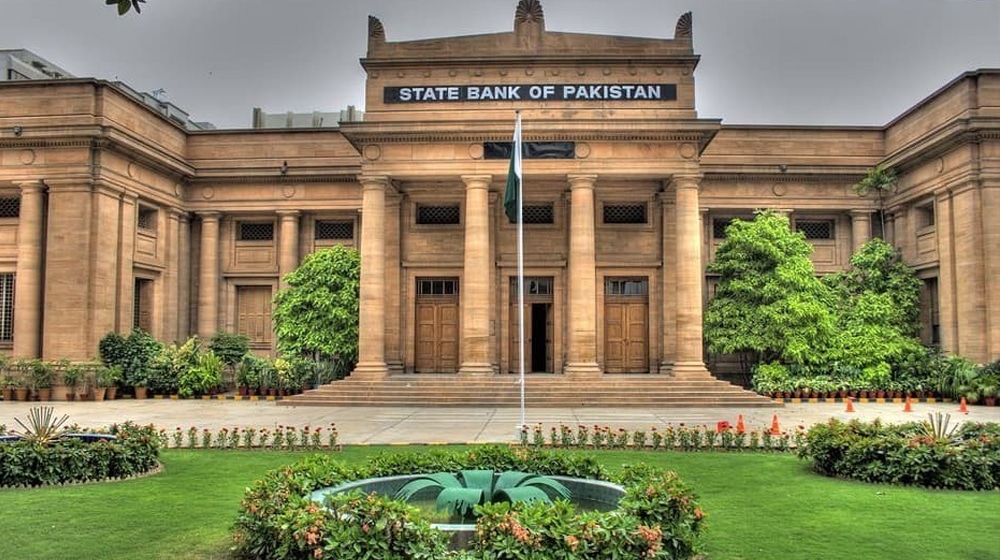
The State Bank of Pakistan (SBP) recently recalibrated the SBP interest rate, increasing it by 100 basis points to a baseline of 11.5 percent. This strategic adjustment responds to the volatile “wartime economy” dynamics triggered by escalating Middle East conflicts. Consequently, the Monetary Policy Committee (MPC) ended a two-session streak of policy maintenance to address rising macroeconomic risks.
Global energy prices, freight charges, and insurance premiums remain significantly above pre-conflict levels. Furthermore, supply chain disruptions have injected prevailing uncertainty into the domestic market. While initial data aligned with expectations, the Committee anticipates that these global catalysts will soon impact key economic indicators. Therefore, the MPC deemed a tighter policy stance essential to anchor inflation expectations and preserve macroeconomic stability.
Internal Economic Indicators and IMF Progress
Several internal variables influenced the decision to adjust the SBP interest rate. Headline inflation rose to 7.3 percent in March, while core inflation edged up to 7.8 percent. In contrast, real GDP showed resilience, growing by 3.8 percent in the first half of FY26. This performance marks a significant improvement over the 1.9 percent growth recorded during the same period last year.
The external sector also showed signs of structural strengthening. SBP’s foreign exchange reserves reached approximately $15.8 billion by late April 2026. This growth was supported by Pakistan’s successful re-entry into international capital markets via Eurobond issuance. Additionally, the staff-level agreement with the IMF on March 27, 2026, serves as a critical baseline for future fiscal discipline.
The Translation: Breaking Down the SBP Logic
In “Next Gen” terms, the SBP is deploying a defensive shield against “imported inflation.” When global conflicts drive up the cost of oil and shipping, the price of everything in Pakistan—from electricity to bread—eventually rises. By increasing the SBP interest rate, the central bank makes borrowing more expensive. This move intentionally cools down spending to prevent prices from spiraling out of control, effectively acting as a pressure valve for the national economy.
The Socio-Economic Impact: What This Means for You
For the average Pakistani citizen, this policy shift represents a dual-edged sword. Households will likely face higher monthly installments on auto or personal loans. However, the move aims to protect the purchasing power of the Rupee by curbing the “second-round effects” of global price shocks. For students and professionals, the focus on “macroeconomic stability” is the primary catalyst for long-term job creation and sustainable growth, even if the short-term outlook requires fiscal discipline.
The Forward Path: Architecting Resilience
This development represents a Stabilization Move. While a rate hike is rarely celebrated as “progress” in a traditional sense, it is a calibrated necessity to maintain the momentum gained through IMF agreements and Eurobond success. To ensure this move leads to a true “Momentum Shift,” Pakistan must prioritize structural reforms. Specifically, broadening the tax base and reducing losses in state-owned enterprises will be the definitive catalysts for future economic sovereignty.








