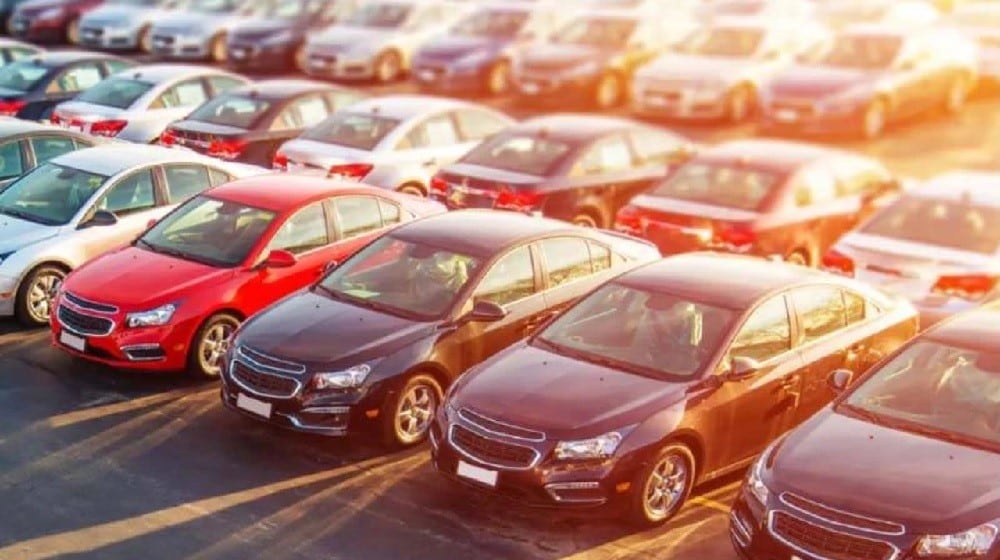
Pakistan’s economic framework faces a significant systemic challenge: imported used vehicles inflicted an estimated Rs. 60 billion Pakistan auto industry loss in FY25, alongside the displacement of over 40,000 potential jobs. This critical data, presented by the Competition Commission of Pakistan (CCP), underscores a profound vulnerability in domestic manufacturing. The report details how the influx of used cars, largely entering under misuse of personal import schemes, directly undermines the long-term sustainability and localization efforts of Pakistan’s vital automobile sector.
The Translation: Deconstructing the Data on Used Car Inflows
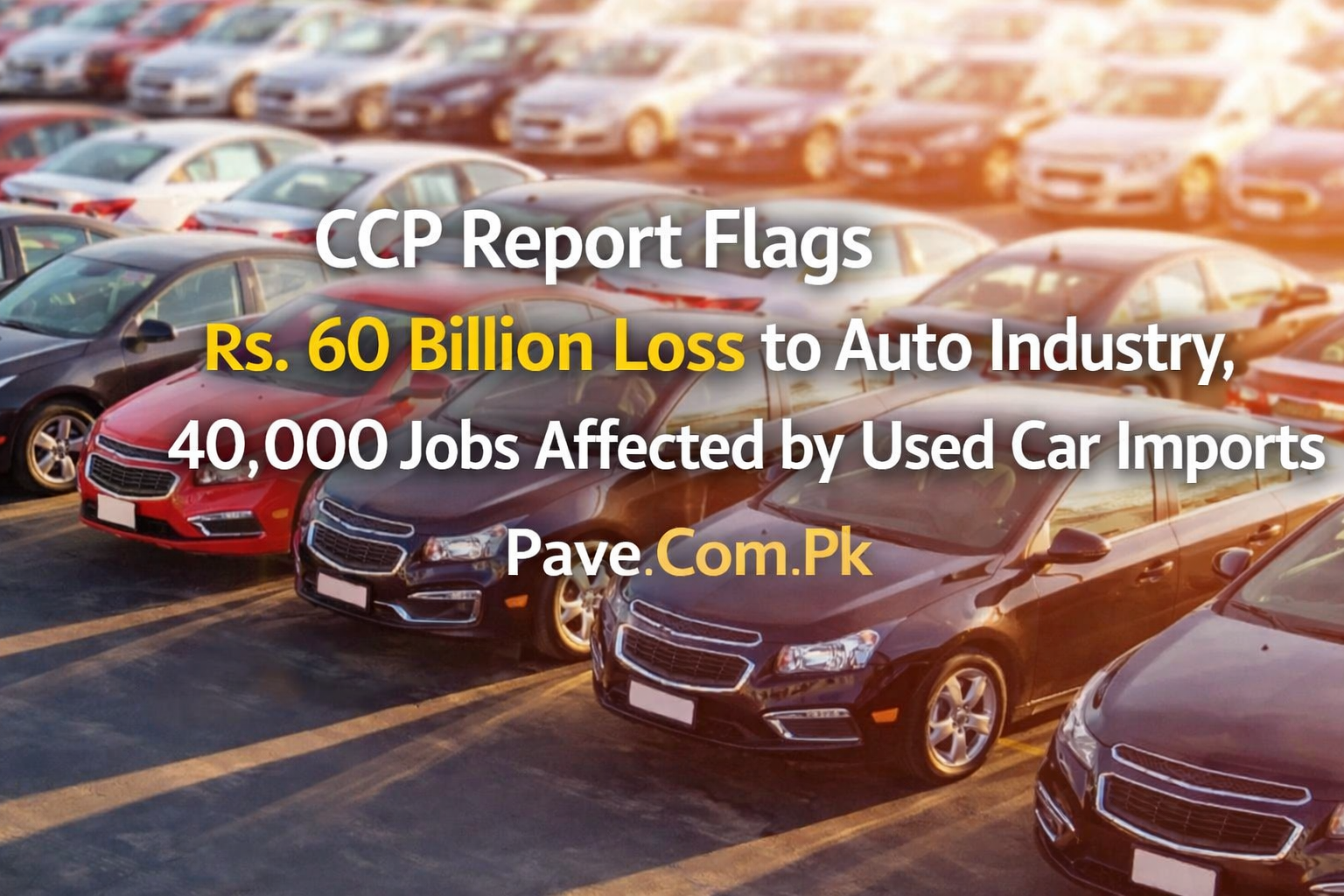
The CCP’s recent analysis of the automobile sector reveals a stark operational imbalance. During FY2025, more than 38,000 used cars penetrated the domestic market, capturing nearly one-fourth of all passenger vehicle sales. This surge is not organic; rather, it stems from the strategic repurposing of schemes initially designed for overseas Pakistanis, such as Gift, Transfer of Residence, and Baggage categories. Consequently, these channels are now commercially exploited, weakening local assembly operations and directly disrupting the calibrated trajectory for increased localization within the industry. This structural shift necessitates an immediate policy recalibration.
The Socio-Economic Impact: Repercussions for Pakistani Households and Professionals
This escalating trend of used car imports translates directly into tangible socio-economic repercussions for every Pakistani citizen. Each imported used vehicle fundamentally replaces the demand for a locally assembled car and its integrated, domestically manufactured components. For students aspiring to careers in engineering or manufacturing, this erosion signifies fewer entry-level opportunities. Professionals in the automotive supply chain face increased job insecurity, while households bear the indirect costs of a weakened industrial base. Furthermore, a sustained decline in local production directly expands Pakistan’s structural import bill, placing critical strain on foreign exchange reserves and heightening overall economic vulnerability. The current state is a direct threat to the financial stability of numerous families and the broader national economy.
The "Forward Path": Counteracting Pakistan Auto Industry Loss
The data unequivocally demonstrates that the automobile value chain contributes approximately Rs. 302 billion annually in taxes, encompassing sales tax, customs duties, and income tax. This revenue base is at risk of gradual erosion as imports increasingly supplant domestic production. The CCP accurately attributes the present distortion to earlier policy liberalization, which historically led to factory shutdowns and the departure of global players. To rebalance this critical sector, the Commission proposes a structural overhaul.
- Stricter Oversight: Implement robust controls on personal import schemes to prevent commercial misuse.
- Enhanced Enforcement: Strengthen regulatory mechanisms to ensure compliance and deter illicit practices.
- Regulated Import Channel: Establish a formalized import pipeline exclusively through authorized dealers, ensuring transparency and accountability.
- Consistent Policy: Mandate a stable framework that permits only environmentally compliant vehicles, aligning with global standards for sustainability.
These proposals represent a critical Stabilization Move. While not a dramatic momentum shift, they are essential for establishing a robust baseline for future growth. The objective is to fortify the local manufacturing ecosystem, safeguard jobs, and protect crucial national revenues against the adverse effects of unchecked Pakistan auto industry loss.