

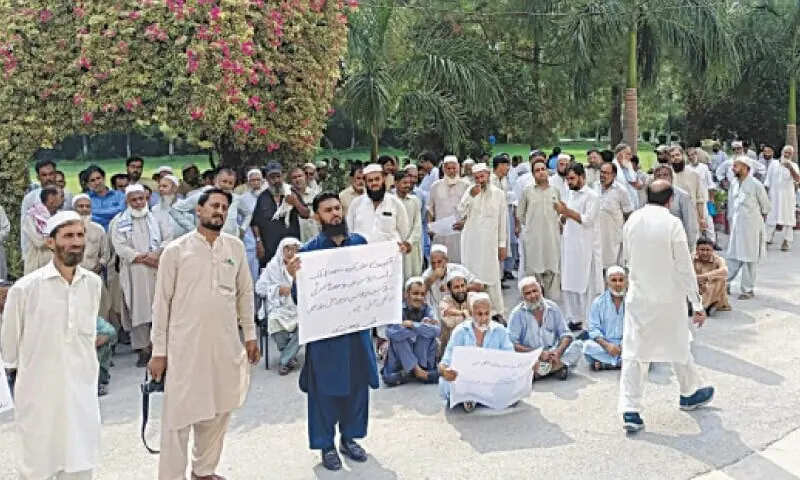
The recent Peshawar university protest signals a critical failure in the administrative calibration of our educational infrastructure. On Monday, a significant number of employees and faculty members blocked Jamrud Road to demand the immediate release of unpaid March salaries and pensions. This disruption reflects a structural deficit that jeopardizes the academic continuity of Khyber Pakhtunkhwa’s premier institution.
The Logistics of the Peshawar University Protest
The financial shortfall is precisely quantified at Rs 131 million for salaries and Rs 162 million for pensions. Consequently, the university administration could only disburse 40% of the dues to faculty members, while lower-grade staff received payments in fragmented installments. Furthermore, retired employees have received no pension disbursements for the month of March, leaving them in a precarious financial position.
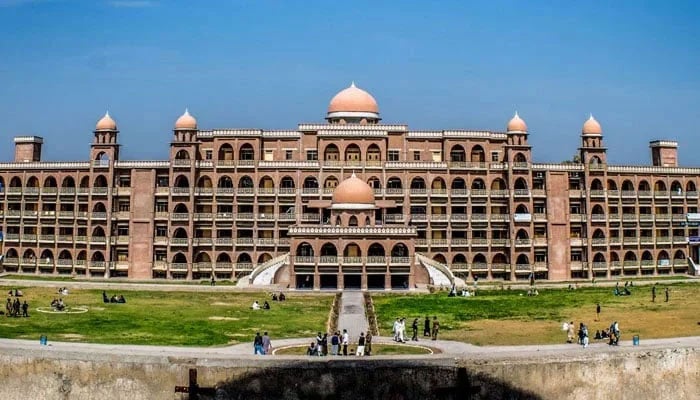
In response to this stagnation, the Peshawar University Teachers Association (PUTA) has sought urgent intervention from Chief Minister Sohail Afridi. The association emphasizes that the university has served as an educational cornerstone for over 75 years. However, the current lack of a sustainable funding model now threatens its very existence.
The Translation: Fiscal Sustainability vs. Legacy Models
To understand the logic behind the facts, one must view this crisis as a baseline failure of institutional fiscal sustainability. This is not merely a delay in bookkeeping. In contrast, it indicates a deep-seated mismatch between provincial resource allocation and the rising operational costs of a legacy academic model. The university currently lacks the structural liquidity to guarantee compensation for its workforce in the coming months.
The Socio-Economic Impact on Pakistani Citizens
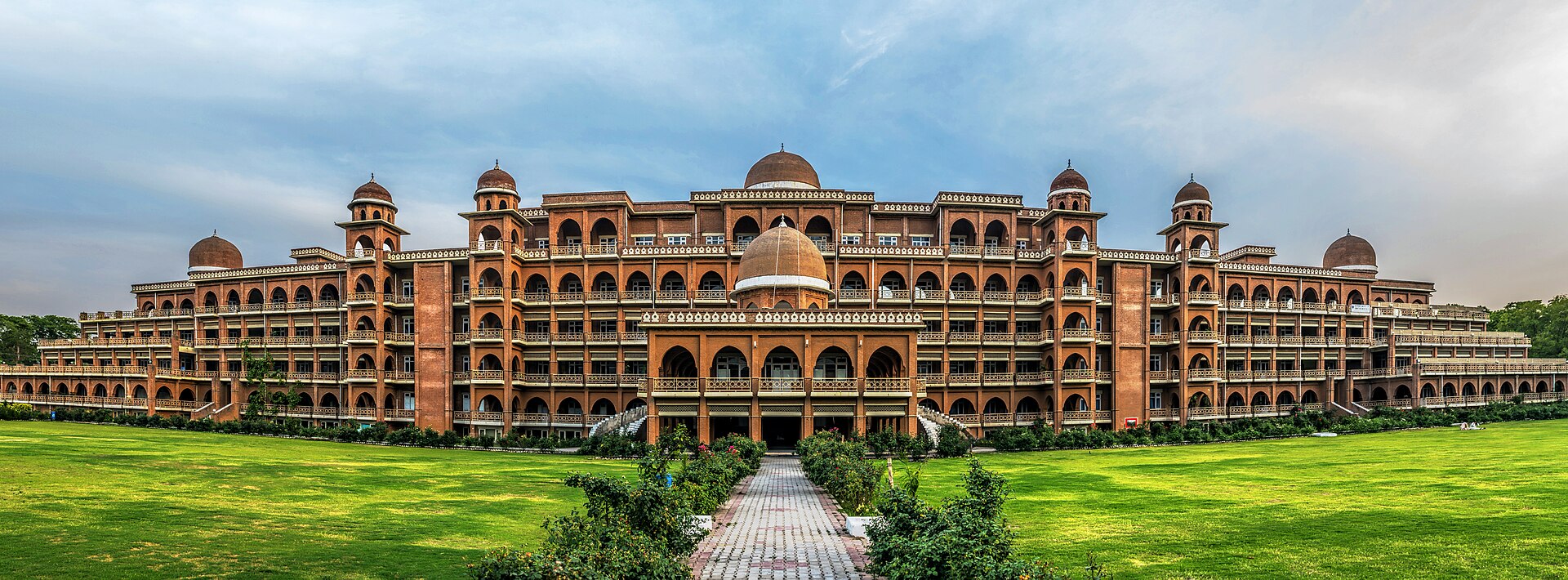
The Peshawar university protest impacts the daily lives of thousands of Pakistani households. Specifically, the lack of timely payments prevents staff from meeting basic household expenses, including:
- Healthcare Access: Delayed pensions prevent elderly retirees from purchasing necessary medication.
- Utility and Housing: Employees face severe strain in covering rising rent and electricity costs.
- Talent Retention: Financial uncertainty drives high-caliber faculty toward private institutions or international markets, draining the province of its intellectual capital.
The Forward Path: A Stabilization Move
From an analytical perspective, this development represents a mandatory Stabilization Move rather than a momentum shift. The provincial government must provide an immediate financial catalyst to clear the current arrears. Ultimately, however, the University of Peshawar requires a strategic overhaul of its revenue-generation mechanisms to move beyond a state of perpetual financial fragility.








