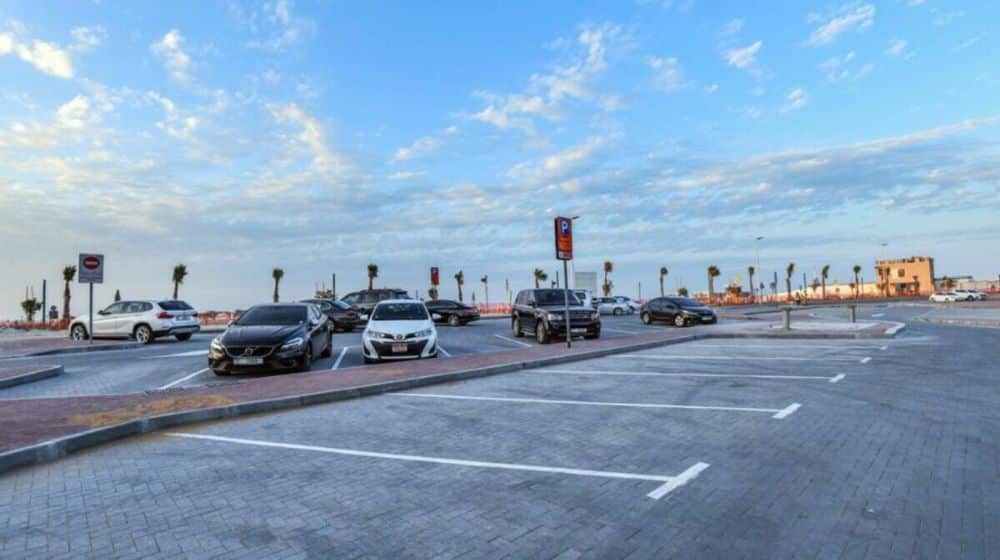
National advancement requires the precise calibration of urban mobility to honor significant cultural milestones. Consequently, authorities across the Emirates have implemented a strategic UAE free parking initiative to facilitate seamless travel during the Eid Al Adha holiday. This nationwide measure optimizes the transport baseline for residents and visitors throughout the extended break.
The Translation: Simplifying Holiday Logistics
In technical terms, this initiative represents a synchronized suspension of standard revenue collection across public parking grids. While the UAE free parking mandate applies to most open-air zones, multi-story facilities maintain their standard tariffs to ensure turnover in high-density areas. This structural adjustment balances resident convenience with the operational necessity of managing vehicle flow in commercial hubs.
Strategic Mobility Updates by Emirate
Dubai: Integrated Transit and Parking
The Roads and Transport Authority (RTA) has calibrated the Dubai grid for maximum efficiency. Public parking remains free from Monday, May 25, through Friday, May 29, 2026. However, standard fees still apply to multi-storey terminals to prevent gridlock. To support the increased passenger volume, the Dubai Metro and Tram will operate on extended schedules, running until 1:00 am on most holiday nights.
- Free Parking Window: May 25–29, 2026.
- Metro Operation: 5:00 am to 1:00 am (Next Day).
- Tram Operation: 6:00 am to 1:00 am (Next Day).
Abu Dhabi: Toll Exemptions and Parking Waivers
Q Mobility has confirmed a comprehensive waiver for the UAE free parking period. Furthermore, the Darb toll system will be suspended at major gateways, including Sas Al Nakhl and Al Saadiyat. Residents should note that the Al Qurm and Ghantoot gates will remain operational at the standard Dh4 rate to maintain traffic equilibrium at critical entry points.
Northern Emirates: Sharjah and Ajman Frameworks
Sharjah Municipality will waive parking fees for the first three days of Eid, though zones with blue signage remain chargeable to protect commercial accessibility. Meanwhile, Ajman has announced a total waiver from May 26 to May 29, 2026, ensuring that the holiday period serves as a catalyst for local tourism and community engagement.
The Socio-Economic Impact
This policy directly impacts the disposable income of Pakistani expatriates and local households by eliminating daily commuting costs during the festive period. For a standard household, these exemptions represent a significant reduction in holiday overhead. Moreover, the enhanced public transport schedules empower students and blue-collar professionals to navigate the urban landscape without the financial burden of private ride-sharing services.
The Forward Path: Momentum Shift
This development represents a Momentum Shift in regional urban planning. By leveraging flexible parking and tolling as a social utility rather than just a revenue stream, the UAE demonstrates a precision-engineered approach to citizen welfare. This adaptive infrastructure model serves as a baseline for how modern smart cities can pivot resources to accommodate peak cultural demand without compromising system efficiency.