
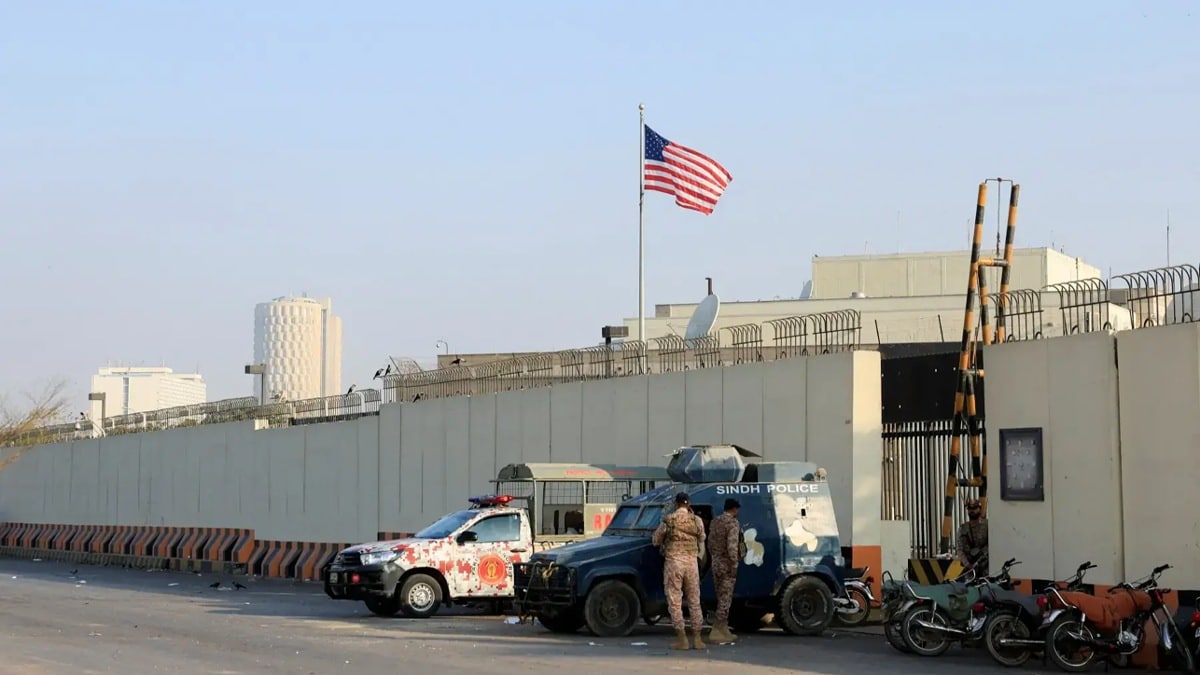
The U.S. Consulate Peshawar has officially shuttered its doors, signaling a calibrated shift in the American diplomatic framework within Pakistan. Consequently, the U.S. State Department has transferred all responsibilities for diplomatic engagement in Khyber Pakhtunkhwa to the newly consolidated Khyber Pakhtunkhwa Unit (KPU). This specialized unit now operates directly from the U.S. Embassy in Islamabad to ensure structural continuity.
Why the U.S. Consulate Peshawar Closure Matters
This strategic transition follows an initial directive issued by the U.S. State Department earlier this May. Officials cited the imperative of personnel safety and the necessity for more efficient resource management as primary drivers for the closure. Furthermore, the official digital presence of the consulate has been deactivated, redirecting all inquiries to the central embassy platforms. While the physical location is inactive, the KPU maintains its mandate to manage provincial relations from a centralized baseline in the capital.

The Translation (Clear Context)
In technical terms, this is a consolidation of diplomatic assets. Instead of maintaining a vulnerable physical footprint in a high-risk zone, the U.S. is leveraging the “hub-and-spoke” model. The Islamabad Embassy acts as the hub, while the KPU serves as the specialized spoke for Peshawar. This allows for precision in diplomatic reporting without the logistical overhead of a standalone consulate general. Therefore, the closure is less about withdrawal and more about operational hardening.
The Socio-Economic Impact
For the average Pakistani citizen in Khyber Pakhtunkhwa, this change necessitates a pivot in how they interact with U.S. services. Students, professionals, and families must now look toward Islamabad for all consular and diplomatic needs. While digital engagement continues, the lack of a local physical presence may slow down grassroots outreach programs and cultural exchange initiatives. Consequently, the travel burden on residents seeking direct diplomatic interaction has increased significantly.
The Forward Path (Opinion)
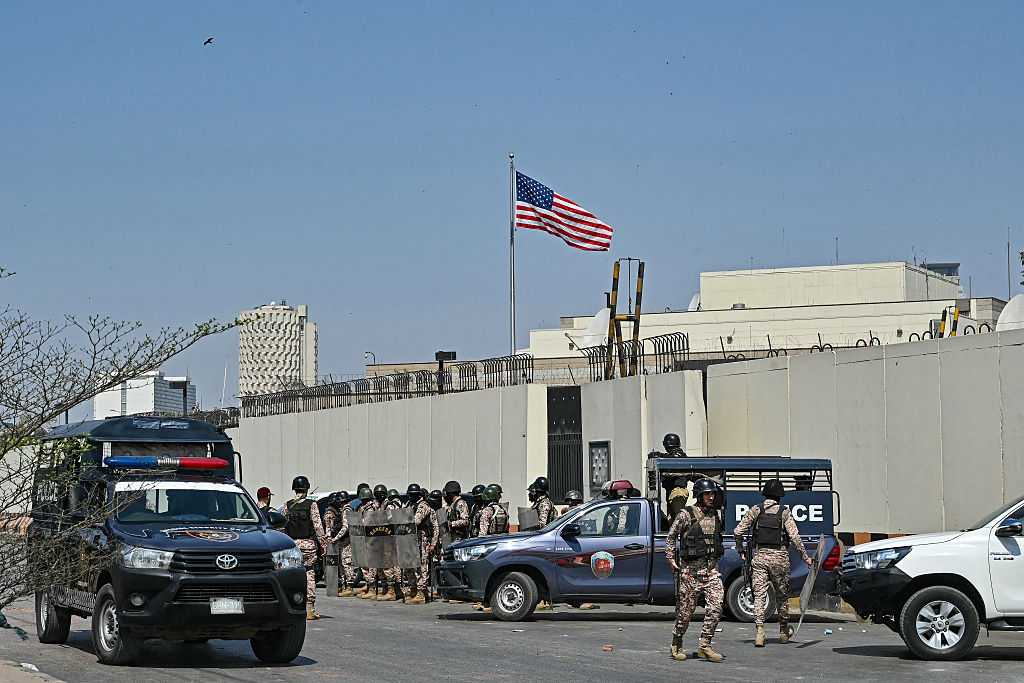
This development represents a Stabilization Move rather than a total momentum shift. While the closure of the U.S. Consulate Peshawar might seem like a retreat, it is a pragmatic recalibration of modern diplomacy. In an era of heightened security precision, centralizing operations reduces risk while maintaining a baseline of influence. However, for true progress, the “Next Gen” expectation should be the eventual restoration of localized offices once security metrics reach a sustainable threshold.








