

Pakistan is currently leading a strategic calibration of regional security as Turkiye and Qatar prepare to join the Pak-Saudi defense agreement. Defense Minister Khawaja Asif recently signaled this expansion, highlighting a shift toward a multilateral architecture. This structural development aims to provide a precision response to escalating regional volatility and geopolitical shifts. Consequently, the addition of these influential nations will transform a bilateral pact into a broader, more resilient security framework.
A Multilateral Architecture: Expanding the Pak-Saudi Defense Agreement
The original agreement, signed in September 2025, established a baseline where aggression against one nation is viewed as aggression against both. Since that milestone, security coordination has accelerated with military contingents already stationed at King Abdulaziz Air Base. Furthermore, the potential inclusion of Turkiye and Qatar introduces significant military and diplomatic assets into the grid. This expansion is not merely symbolic; it represents a functional upgrade to the regional defense hardware.
The Translation: Deciphering the Regional Grid
In technical terms, this move represents a “security diversification” strategy. Rather than relying on singular external powers, Pakistan and its partners are building a localized, self-correcting security system. The logic here is system efficiency: by integrating the military capabilities of Turkiye and the diplomatic weight of Qatar, the alliance creates a multi-layered deterrent. This setup effectively reduces the “security deficit” created by ongoing conflicts in the Middle East.
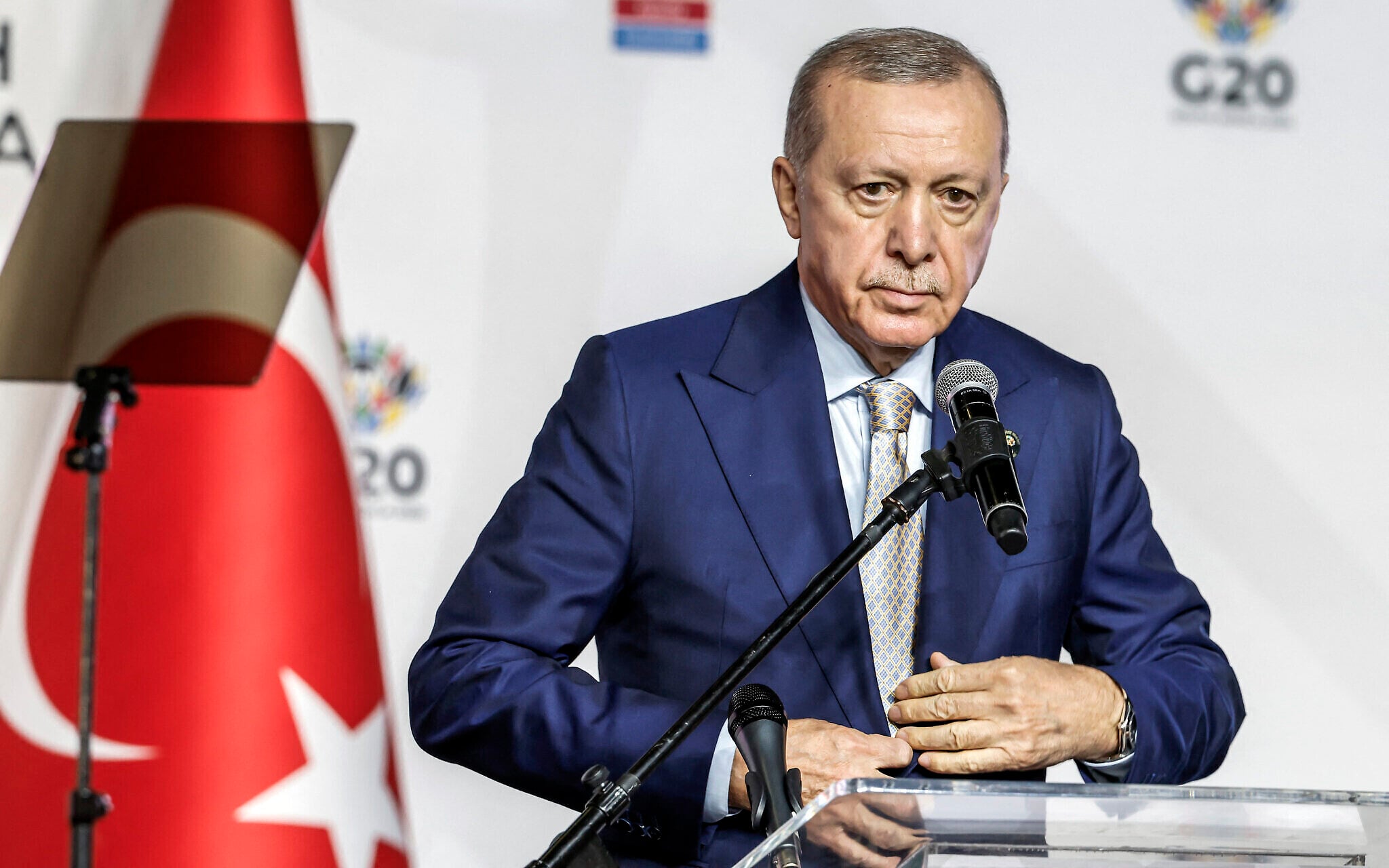
The Socio-Economic Impact: Precision Stability for the Citizen
For the average Pakistani citizen, national security is the baseline for economic prosperity. When regional stability is calibrated through strong alliances like the Pak-Saudi defense agreement, it lowers the “country risk” for international investors. Consequently, a more secure region leads to steady energy prices and more predictable trade routes. For students and professionals, this stability acts as a catalyst for long-term foreign direct investment, potentially creating high-tech jobs in the defense and logistics sectors.
The Forward Path: A Momentum Shift in Security
We categorize this development as a definitive Momentum Shift. This is not a simple stabilization move; it is an architectural redesign of how Muslim-majority states project power and maintain peace. By integrating Turkiye’s advanced defense industry and Qatar’s strategic positioning, Pakistan is anchoring itself in a new center of gravity. We expect this pact to serve as the structural foundation for a future regional security council that prioritizes indigenous solutions over external interventions.








