

The structural integrity of a nation’s connectivity depends on its ability to manage high-density air traffic with calibrated precision. Consequently, the Pakistan Airports Authority (PAA) is advancing plans to install modern ATC systems at Karachi and Lahore airports following critical project approvals. This technical evolution marks a strategic shift toward international standards in aviation safety and operational flow.
Calibrating the Skies: The Logic Behind Modern ATC Systems
Officials confirmed that the Central Development Working Party (CDWP) has officially approved the project’s PC-1. This decision serves as the catalyst for replacing outdated monitoring hardware with sophisticated technology. Furthermore, authorities will introduce an advanced flight management system for the Karachi and Lahore Flight Information Regions to optimize aircraft guidance.
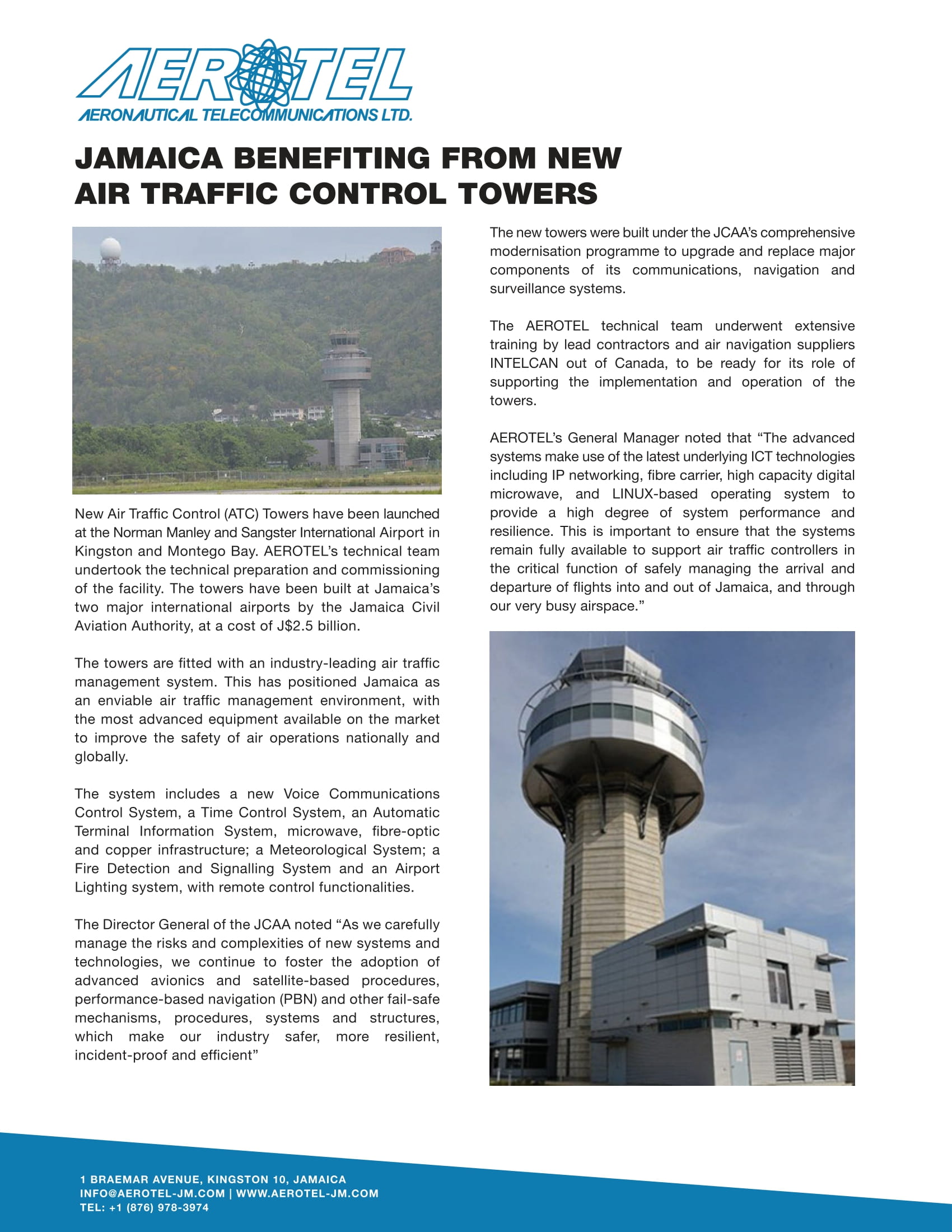
The PAA intends to issue an international tender in the coming days to attract global technology partners. This competitive process ensures that Pakistan adopts the most resilient digital tools available for airspace management. Once the selection is complete, the installation phase will begin immediately to mitigate current operational bottlenecks.

The Translation: Precision Engineering for Airspace
While “PC-1 approval” may sound like mere paperwork, it represents the formal allocation of resources for a structural overhaul. In simple terms, the government has moved from theory to execution. By implementing modern ATC systems, the PAA is transitioning from manual oversight to automated, data-driven flight management. This reduces human error and maximizes the throughput of our busiest runways.

The Socio-Economic Impact: Efficient Travel for a Productive Pakistan
For the average Pakistani citizen, this upgrade translates directly into reliability. Enhanced monitoring means fewer delays and more predictable travel schedules for professionals and families. Additionally, optimized flight paths reduce fuel consumption for airlines. In the long term, these efficiencies help stabilize ticket prices and improve the economic viability of domestic and international trade routes.

The Forward Path: A Momentum Shift
This development is a clear Momentum Shift for Pakistan’s infrastructure. By upgrading the baseline technology at our primary gateways, we are not just maintaining the status quo; we are building a foundation for future growth. The integration of modern ATC systems ensures that Karachi and Lahore remain competitive hubs in the regional aviation landscape.









