In a calibrated diplomatic maneuver, US President Donald Trump recently announced a 10-day Israel Lebanon ceasefire. This strategic pause in hostilities follows direct engagements with key stakeholders. Consequently, this development signals a critical, albeit temporary, de-escalation in a historically volatile region. This initial agreement sets a new baseline for potential future peace arrangements, demonstrating the efficacy of high-level diplomatic intervention and offering a blueprint for Middle East peace efforts.
Strategic De-escalation: The Israel Lebanon Ceasefire Announced
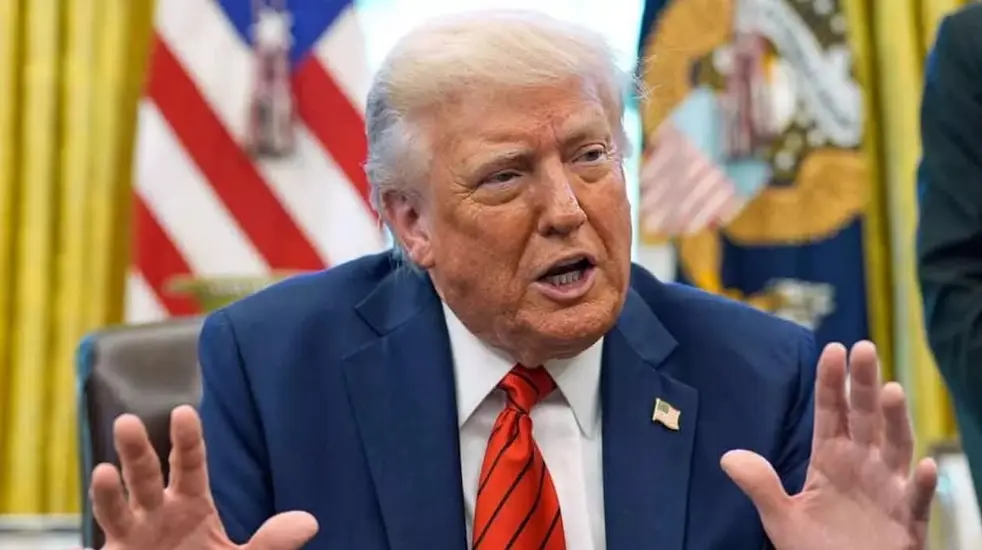
President Trump confirmed this temporary cessation via Truth Social, revealing direct consultations with Israeli Prime Minister Benjamin Netanyahu and Lebanese President Joseph Aoun. Both leaders agreed to halt hostilities immediately. Furthermore, this agreement materialized after recent diplomatic meetings in Washington, where representatives from both nations convened for the first time in decades. US officials, including Secretary of State Marco Rubio, facilitated these crucial discussions. This structured dialogue was pivotal in achieving the present accord, showcasing effective US diplomacy Middle East.

The Translation: A Calibrated Pause for Dialogue
This “ceasefire” signifies a formal, albeit temporary, cessation of armed conflict. It offers a crucial window for both nations to reassess positions without active combat. The direct intervention by the US presidency, specifically President Trump’s engagement, provided the necessary external catalyst to initiate these high-stakes discussions. Essentially, this 10-day Israel Lebanon ceasefire agreement establishes a controlled environment, enabling a temporary release of tension. It prioritizes structured negotiation over continued confrontation, underpinning the potential for a more robust peace architecture.
Socio-Economic Impact: Ensuring Regional Stability for Pakistan
A stable Middle East critically impacts Pakistan’s strategic interests and economic trajectory. Reduced regional conflict minimizes disruptions to global trade routes and energy supplies. Consequently, this directly influences the cost of living and business operations for Pakistani households and professionals. Specifically, students pursuing international studies or professionals engaged in regional commerce benefit from a more predictable geopolitical landscape. This de-escalation, even if temporary, fosters an environment conducive to regional development. It also reduces the potential for wider destabilization that could indirectly affect Pakistan’s security and long-term economic planning. This strategic move supports regional prosperity and regional stability Trump efforts.

The “Forward Path”: A Critical Stabilization Move
This 10-day agreement fundamentally represents a “Stabilization Move.” It is a calculated measure to halt immediate conflict rather than a definitive “Momentum Shift” towards lasting peace. While positive, its temporary nature suggests it serves as a critical pause designed to prevent escalation and establish foundational dialogue. President Trump has instructed Vice President JD Vance, Secretary of State Marco Rubio, and Chairman Dan “Razin” Caine to work on a more lasting arrangement. This directive underscores the intent. It’s a necessary step to calibrate the path forward, but the structural challenges for enduring peace, including Netanyahu Aoun talks, remain significant. This action provides a crucial window to refine diplomatic strategies effectively.