
Strategic Transit Alert: Understanding the Babusar Travel Advisory
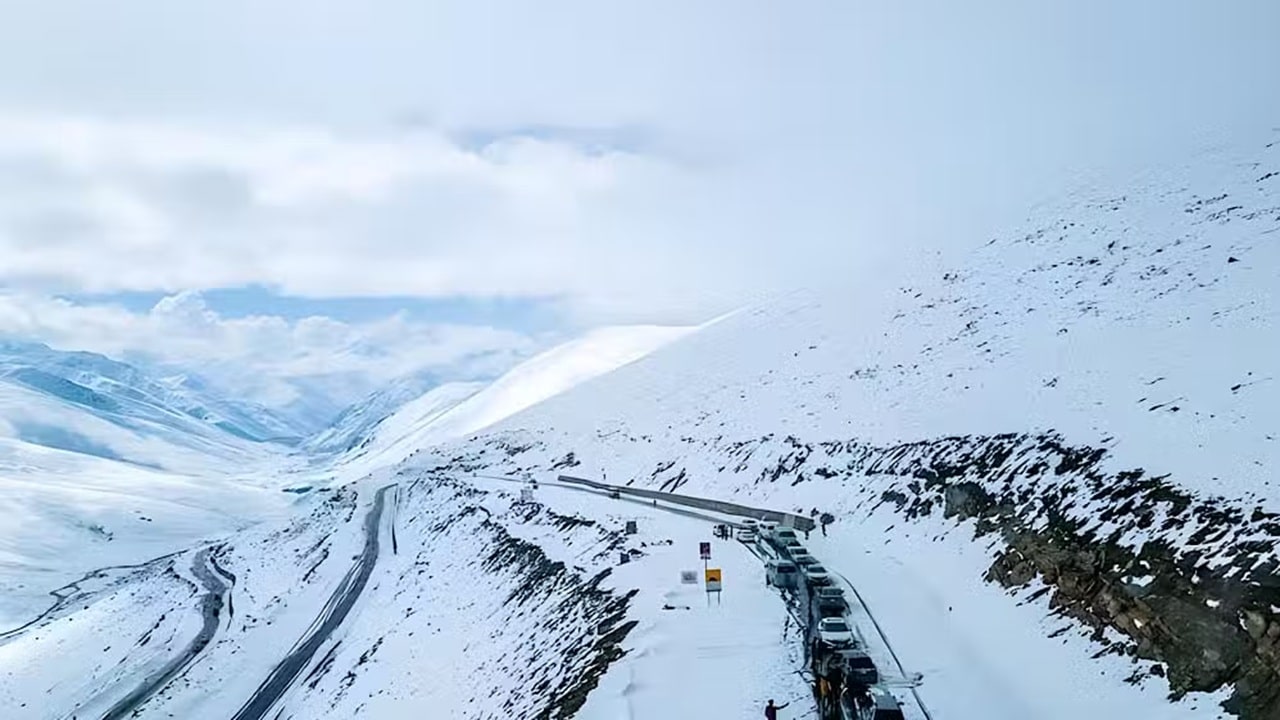
Structural safety in high-altitude transit remains a calibrated priority for the Naran district administration. The recent Babusar travel advisory serves as a strategic intervention to mitigate risks associated with continuous snowfall and geological instability. Consequently, travelers must reassess their movement patterns to ensure baseline safety during this volatile weather cycle.
Calibrated Risk Assessment: Road and Climate Dynamics
The current atmospheric conditions have significantly altered the structural integrity of the Babusar corridor. Authorities report that traffic flow is restricted to one-way segments in several critical zones. Precision driving is mandatory, as the baseline road friction has plummeted due to ice accumulation. Travelers must acknowledge the following structural hazards:
- Brake System Failure: Extreme cold and moisture levels jeopardize mechanical deceleration.
- Geological Instability: Sudden rockfalls and glacier movements act as unpredictable catalysts for landslides.
- Temporal Restrictions: Transit becomes mathematically impossible after 18:00 (6 PM) due to peak intensity snowfall.
The Translation: Technical Logic for the Public
While snowfall is often viewed through a recreational lens, the administrative logic behind this advisory stems from logistical necessity. The “one-way traffic” designation indicates that the effective road width has decreased due to snow piles, making simultaneous two-way transit a high-probability collision risk. Officials are not merely suggesting caution; they are managing a system nearing its safety threshold.
The Socio-Economic Impact: National Implications
For the modern Pakistani citizen, these disruptions impact the seasonal tourism economy and regional supply chains. Students and professionals relying on northern transit routes face a calibrated delay in productivity. Furthermore, the increased risk of vehicle damage places a financial strain on household assets, highlighting the need for systemic adherence to safety protocols to maintain national economic momentum.
The Forward Path: Strategic Perspective
This development represents a Stabilization Move. While temporary road restrictions may seem like a halt in progress, they are essential for the long-term preservation of infrastructure and human life. By following these directives, the community ensures that the transition back to high-efficiency transit is both swift and safe.








