The structural integrity of a nation’s supply chain serves as the baseline for urban stability. Recent transport suspensions in Rawalpindi and Islamabad have paralyzed the regional logistics network, causing immediate Twin Cities shortages in fuel and essential food supplies. Consequently, traders and transport associations are sounding alarms as grain, fruit, and vegetable markets run dry. This disruption highlights the fragility of our current distribution model and requires a calibrated, strategic response from provincial authorities.
The Translation: Analyzing the Logistics Bottleneck
In technical terms, the twin cities operate on a “Just-in-Time” inventory model for perishable goods and petroleum. When authorities closed roads on April 19, they effectively severed the primary arteries of the regional economy. Therefore, the lack of incoming goods isn’t just a transport delay; it is a systemic failure. The Oil Tanker Contractors’ Association reports that petroleum levels have been depleting for three days. Furthermore, aviation fuel for Islamabad and Peshawar airports remains stranded at depots, threatening to ground essential air travel operations.
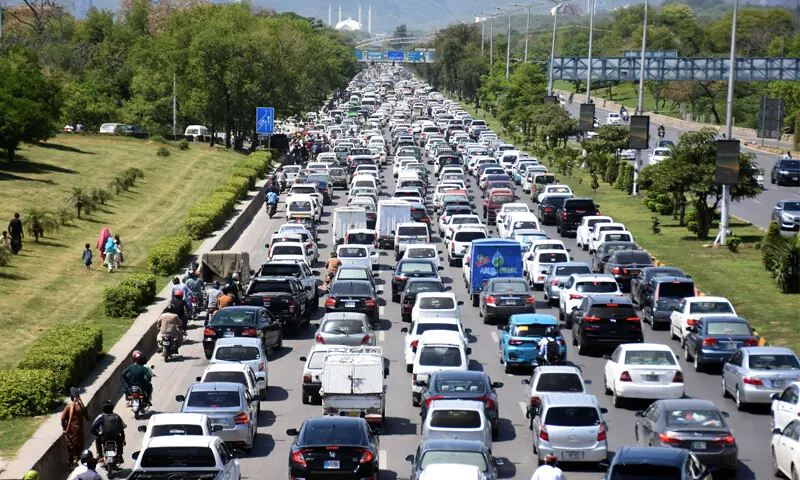
The Socio-Economic Impact: Life Under Supply Constraints
The human cost of these Twin Cities shortages extends beyond the grocery shelf. For the Pakistani citizen, this situation translates into immediate price hikes and income loss. Consider the following structural impacts:
- Labor Disruption: Transport terminals lie idle, forcing thousands of daily wage laborers to return home without earnings.
- Market Volatility: Fruit and vegetable hubs are witnessing a sharp decline in activity as existing warehouse stocks vanish.
- Geographic Spillover: Regions such as Azad Jammu and Kashmir (AJK) and Gilgit-Baltistan, which rely on Rawalpindi as a supply hub, now face secondary shortages.
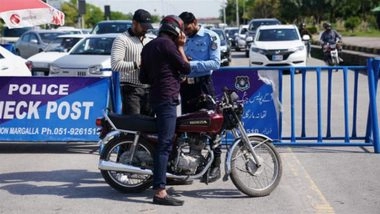
Strategic Alternatives for Regional Stability
Transporters have proposed a pragmatic solution: allowing goods vehicles to utilize motorways, mirroring the protocols used for public transport. While this transition would maintain supply lines, it may introduce a marginal increase in transport costs. However, a calibrated price increase is often preferable to a total market collapse. The Regional Transport Authority is currently coordinating with the Punjab government to secure approval for resumed operations.
The Forward Path: A Stabilization Move
At Next Generation Pakistan, we categorize this development as a Stabilization Move that requires urgent refinement. While security-related road closures often aim to maintain order, the lack of a “green lane” for essential goods creates an unintended economic catalyst for unrest. Moving forward, the government must institutionalize “Essential Supply Corridors” that remain operational regardless of administrative restrictions. Precision in logistics is not a luxury; it is the fundamental requirement for a functioning modern state.