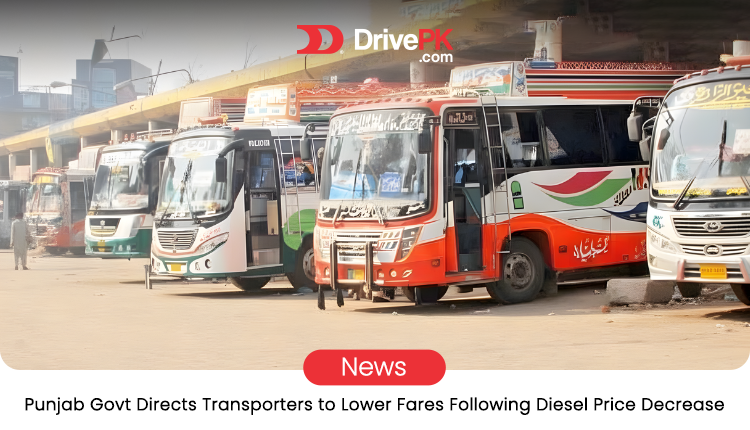
The Punjab transport department has strategically calibrated a 5% reduction in public transport fares across the province. This executive decision follows a significant diesel price cut authorized by Prime Minister Shehbaz Sharif. Consequently, provincial authorities and transport stakeholders finalized the agreement at Transport House to ensure immediate implementation of these revised rates. This move serves as a critical baseline for economic relief within the regional transport network.
Optimizing Regional Logistics: How Transport Fares Reduced
Following a precise consultation, transporters agreed to lower their price points by 5% to match the cooling fuel market. The Secretary of the Regional Transport Authority confirmed that officials are already distributing updated fare lists to all terminals. Furthermore, the administration has signaled a zero-tolerance policy for non-compliance. Rana Mohsin emphasized that strict legal action awaits any operator failing to display or adhere to the notified rates. This enforcement ensures that the transport fares reduced status remains a reality for all commuters.
Fuel Dynamics and Global Market Catalysts
The federal government recently lowered diesel prices by Rs. 32.12 per liter, bringing the ex-depot price of high-speed diesel down to Rs. 353.42 from its previous high of Rs. 385.54. This adjustment stems from easing global oil prices, primarily driven by geopolitical shifts and the reopening of the Strait of Hormuz. Because high-speed diesel is the primary fuel for freight and heavy transit, this reduction acts as a stabilizer for the national inflation index.
The Situation Room: Strategic Analysis
The Translation (Clear Context)
The 5% reduction in fares is a direct mathematical response to the nearly 8.3% decrease in diesel costs. While fuel is not the only operational expense for transporters—maintenance and tires also factor in—the government is using the diesel price cut as leverage to force a decrease in the cost of living. This systematic alignment between energy costs and service pricing is essential for maintaining consumer purchasing power.

The Socio-Economic Impact
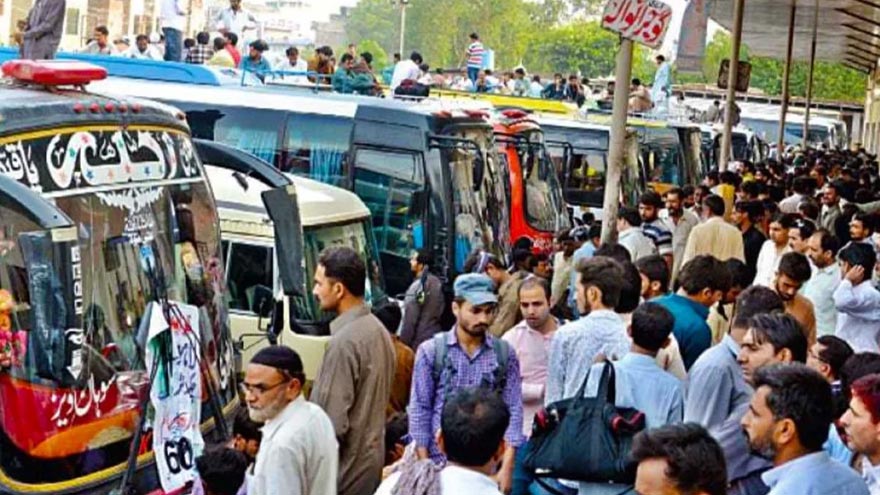
For the average Pakistani citizen, this development translates into immediate daily savings. Students, factory workers, and professionals who rely on inter-city and intra-city transit will see a measurable decrease in their monthly transport overheads. Moreover, since freight transport heavily utilizes diesel, this price drop may eventually lead to a “trickle-down” stabilization of essential commodity prices in local markets.
The Forward Path (Opinion)
This development represents a Stabilization Move. While the fare reduction provides much-needed breathing room for the public, it remains reactive to global oil volatility. For a true “Momentum Shift,” Pakistan must transition toward higher fuel efficiency standards and a more diversified energy mix in the transport sector to decouple public transit costs from international crude oil fluctuations.
- Old Diesel Price: Rs. 385.54 per liter
- New Diesel Price: Rs. 353.42 per liter
- Fare Reduction: 5% across Punjab
- Effective Date: Immediate