The Islamabad traffic plan represents a calibrated effort to maintain urban mobility during the peak demand of the Eid season. By deploying over 350 dedicated officers, the Islamabad Traffic Police aims to transform potential bottlenecks into managed corridors near cattle markets. This strategic framework focuses on road safety and precision movement, ensuring that the surge in seasonal trade does not paralyze the federal capital’s logistical baseline.
Integrating the Islamabad Traffic Plan into Urban Flow
Authorities have designated specific zones to prevent the structural congestion that typically accompanies seasonal markets. Under this new directive, more than 350 personnel will perform duties to regulate the influx of transport vehicles and pedestrians. Consequently, this deployment ensures that major thoroughfares remain clear for essential transit and emergency services.
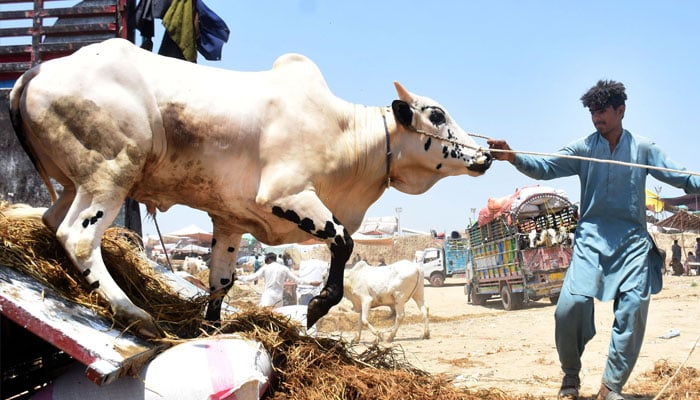
Citizens must adhere to strict parking regulations to maintain the efficiency of this system. The advisory explicitly prohibits roadside parking near cattle markets, directing all visitors to utilize designated parking areas. Furthermore, field officers will provide real-time guidance to commuters to minimize delays and ensure a disciplined environment for all residents.
The Translation: Systemic Resource Allocation
In technical terms, this is a surge-capacity management strategy. The Islamabad Traffic Police are not merely directing cars; they are managing a temporary spike in urban density. By establishing a rigid perimeter and segregated parking, they prevent the “ripple effect” where a single stalled vehicle at a market could stall an entire sector’s traffic grid. This is about maintaining the architectural integrity of the city’s movement.
The Socio-Economic Impact: Urban Efficiency
How does this change daily life? For the Pakistani professional or student, it means the difference between a predictable 20-minute commute and a two-hour gridlock. By stabilizing traffic flow, the plan protects the productivity of the workforce. Families visiting the markets benefit from a safer, more organized experience, reducing the friction and stress associated with high-crowd religious observances.
The Forward Path: A Stabilization Move
This development represents a Stabilization Move. While the deployment is precise and effective for the current season, it functions as a maintenance of public order rather than a permanent infrastructure upgrade. The forward path for Islamabad lies in integrating smart traffic sensors and automated monitoring to reduce the heavy reliance on manual personnel deployment in future years.