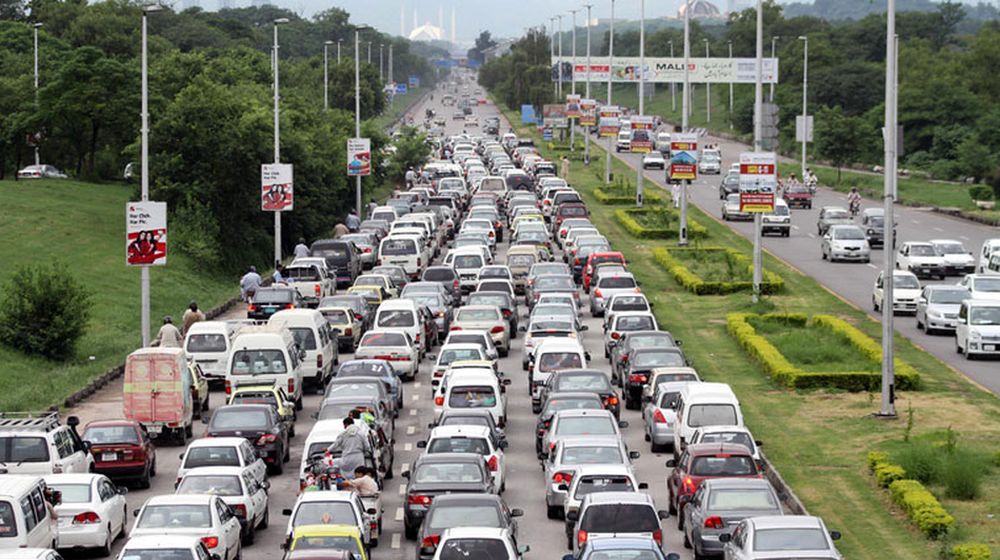
Urban mobility represents the pulse of a functional capital. As Islamabad and Rawalpindi prepare to host the high-profile Pakistan-Australia ODI series starting May 30, the Islamabad Traffic Plan serves as a strategic framework to maintain systemic efficiency. Authorities have calibrated specific diversions to prevent structural congestion across the Twin Cities’ primary arterial networks during this international event.
The Translation: Decoupling Sport and Logistics
The Islamabad Traffic Police have engineered a temporary rerouting system to isolate match-day congestion from routine civilian transit. High-density corridors, specifically Club Road, Murree Road, the Islamabad Expressway, and the Srinagar Highway, will experience intermittent diversions. Consequently, the logic behind these shifts is to create a secure corridor for international athletes while keeping the city’s economic engine running. Commuters should utilize service roads and designated alternative routes to bypass the primary pressure points near the Rawalpindi Cricket Stadium.
The Socio-Economic Impact: Protecting Productivity
For the modern Pakistani citizen, these adjustments require a calibrated shift in daily scheduling. By advising residents to depart 20 to 25 minutes earlier than baseline, authorities aim to minimize the loss of productive hours. This precision planning directly benefits students, healthcare professionals, and small business owners who rely on predictable transit times. Furthermore, the integration of real-time updates through FM 92.4 and digital WhatsApp channels empowers households to make data-driven decisions regarding their daily travel, reducing the psychological and financial cost of traffic delays.
The Mechanics of the Islamabad Traffic Plan
- Strategic Corridors: Enhanced monitoring of the Islamabad Expressway and Srinagar Highway.
- Alternative Routing: Use of service roads and secondary links to maintain flow.
- Personnel Deployment: Dedicated traffic officers positioned at critical bottlenecks for manual intervention.
- Real-Time Intelligence: Updates distributed via the Islamabad Traffic Police WhatsApp channel and social platforms.
The Forward Path: A Stabilization Move
From an architectural perspective, this development represents a Stabilization Move. While the current plan effectively manages the immediate surge in traffic pressure, it highlights the necessity for integrated, smart-city traffic sensors. The proactive deployment of personnel and digital communication shows progress in urban management. However, the long-term solution lies in permanent infrastructure upgrades that can handle international-scale events without requiring significant manual diversions. This plan ensures the Twin Cities remain operational during a moment of national sporting pride.