
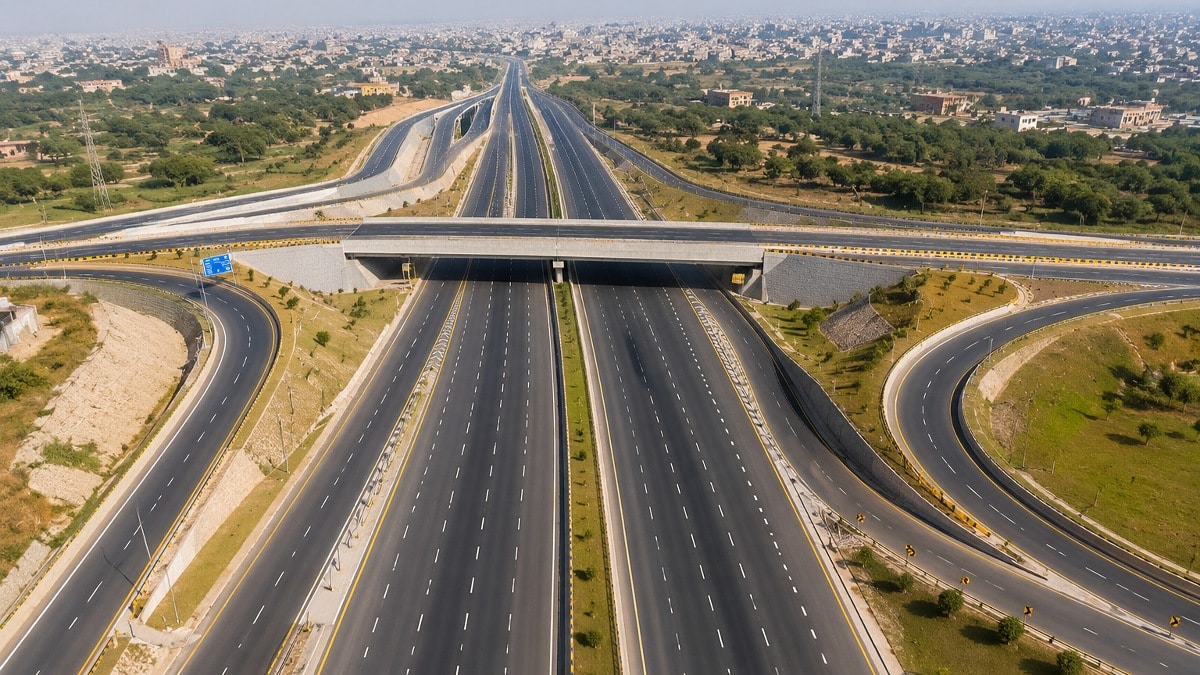
The Rawalpindi Ring Road (RRR) serves as a structural baseline for the city’s future industrial expansion. Recently, the Rawalpindi Development Authority (RDA) orchestrated a high-level briefing to optimize the allocation of Rawalpindi Ring Road commercial land. Chaired by Additional Director General Masood Ahmad Bukhari, the session integrated feedback from the Rawalpindi Chamber of Commerce and Industry (RCCI) to ensure the project serves as a precise economic catalyst.
Strategic Zoning: Optimizing Rawalpindi Ring Road Commercial Land
Strategic planners reviewed decisions from previous calibrations while identifying priority blocks for land acquisition. Consequently, the forum focused on establishing industrial zones that align with modern logistics requirements. Although stakeholders requested additional zones, officials confirmed that the current model already integrates sufficient Rawalpindi Ring Road commercial land to sustain long-term regional development. This architectural approach ensures that the corridor remains a high-efficiency trade route.
The Translation: Jargon to “Next Gen” Clarity
In technical terms, “land use planning” refers to the calibrated zoning of territory for specific utility. For the RRR project, this means the RDA is not just building a road; they are designing an ecosystem. By designating specific areas for Rawalpindi Ring Road commercial land, the government prevents urban sprawl and ensures heavy industry remains separated from residential sectors. This structural precision reduces future traffic congestion and maximizes the efficiency of the provincial supply chain.
The Socio-Economic Impact: Precision Planning for Citizens
The organized development of Rawalpindi Ring Road commercial land will decentralize economic activity from the crowded city core. For students and young professionals, this shift creates localized employment hubs near the city periphery. Furthermore, households will benefit from reduced logistics costs, which eventually stabilizes the prices of essential goods. Ultimately, this plan transforms a simple bypass into a revenue-generating artery for every Pakistani household.
The Forward Path: A Momentum Shift
This development represents a significant Momentum Shift. Rather than adhering to reactive urban growth, the RDA is adopting a proactive, STEM-driven approach to infrastructure. The inclusion of Tehsil councils for feedback ensures that the planning is inclusive and analytically sound. This methodology positions Rawalpindi as a future-ready metropolitan hub, ready to integrate into global digital and physical trade networks.








