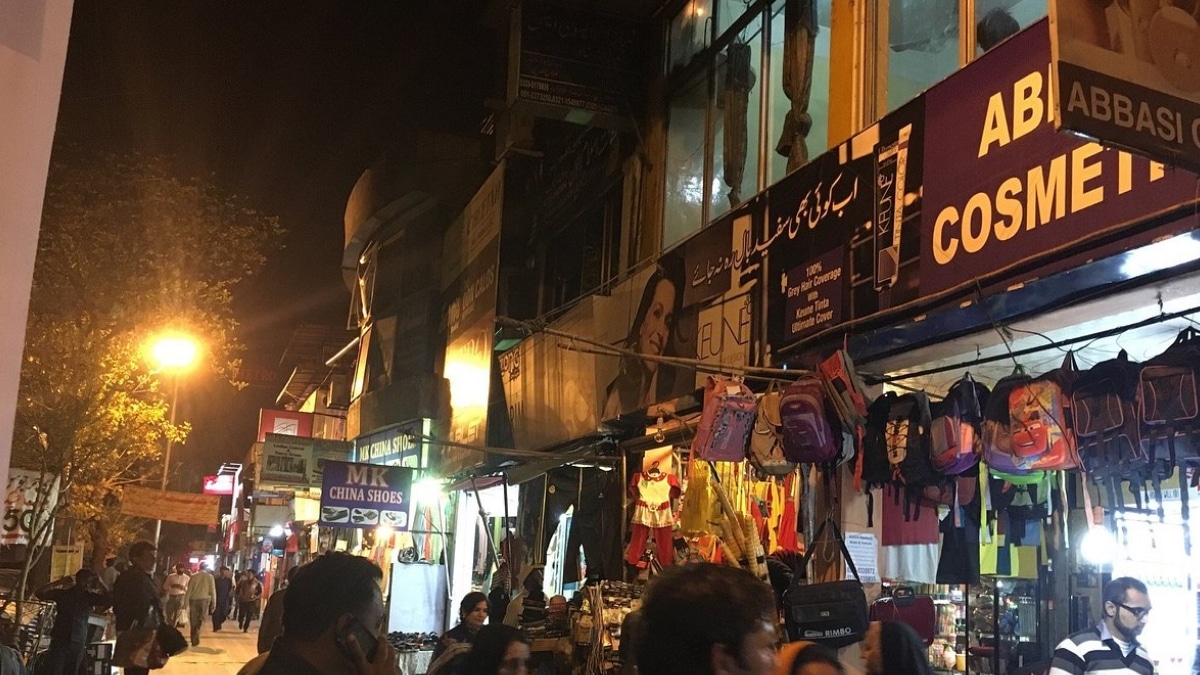
National economic resilience requires a calibrated approach to infrastructure availability and energy utilization. Currently, Pakistan’s trader community is demanding an immediate end to business hour restrictions following a significant decline in both global and local fuel prices. These stakeholders argue that the baseline conditions necessitating energy austerity have dissipated, making current constraints an obstacle to systemic productivity. Consequently, the government faces a strategic decision to prioritize market expansion over artificial conservation measures.
The Structural Logic of Deregulation
The All Pakistan Pan Cigarette Association recently echoed this sentiment, calling for a total removal of limits on shop and market timings. Waseem Ali, the association’s central president, noted that business hour restrictions were originally a tactical response to high energy costs. However, the current stability in global fuel markets warrants a structural review of this policy. Traders have historically supported government austerity, but they now view deregulation as a necessary catalyst for further economic stability.

The Translation: From Austerity to Expansion
In technical terms, the government implemented these curbs as a “demand-side management” strategy to preserve foreign exchange reserves. By limiting hours, the state sought to reduce the national energy load. Today, the “Next Gen” clarity is simple: the cost of energy no longer justifies the loss in commercial output. Traders believe that allowing businesses to operate freely will create a precision-driven growth cycle, where increased hours lead to higher transaction volumes and tax revenue.
Evaluating the Socio-Economic Impact
How does this shift change the daily life of a Pakistani citizen? For the urban professional and the average household, lifting these constraints means restored convenience and a potential surge in local employment. Business hour restrictions often truncate the earning window for daily-wage workers in the retail sector. By extending hours, we facilitate a more fluid circulation of capital within local markets, directly benefiting students and professionals who rely on after-hours services and retail access.
- Job Creation: Extended hours necessitate additional shifts, potentially increasing retail employment.
- Consumer Convenience: Households gain flexibility, reducing the peak-hour congestion in urban centers.
- Economic Velocity: Faster circulation of currency through late-night commerce drives local GDP growth.

The Forward Path: A Momentum Shift
This development represents a clear Momentum Shift for Pakistan’s commercial sector. Moving away from defensive austerity toward active market participation indicates a strengthening economic baseline. While energy conservation remains a long-term necessity, it must be balanced with the need for systemic efficiency and commercial freedom. The government must now act as an architect of growth by formalizing the return to unrestricted business hours.