
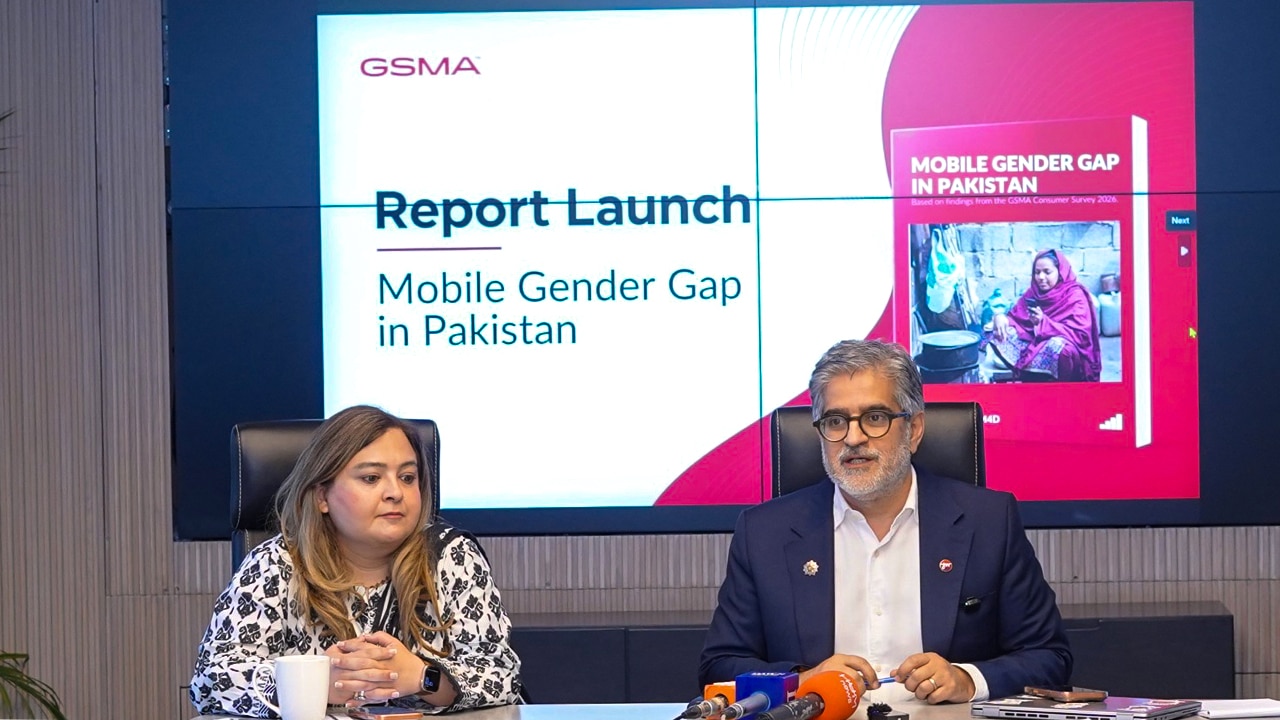
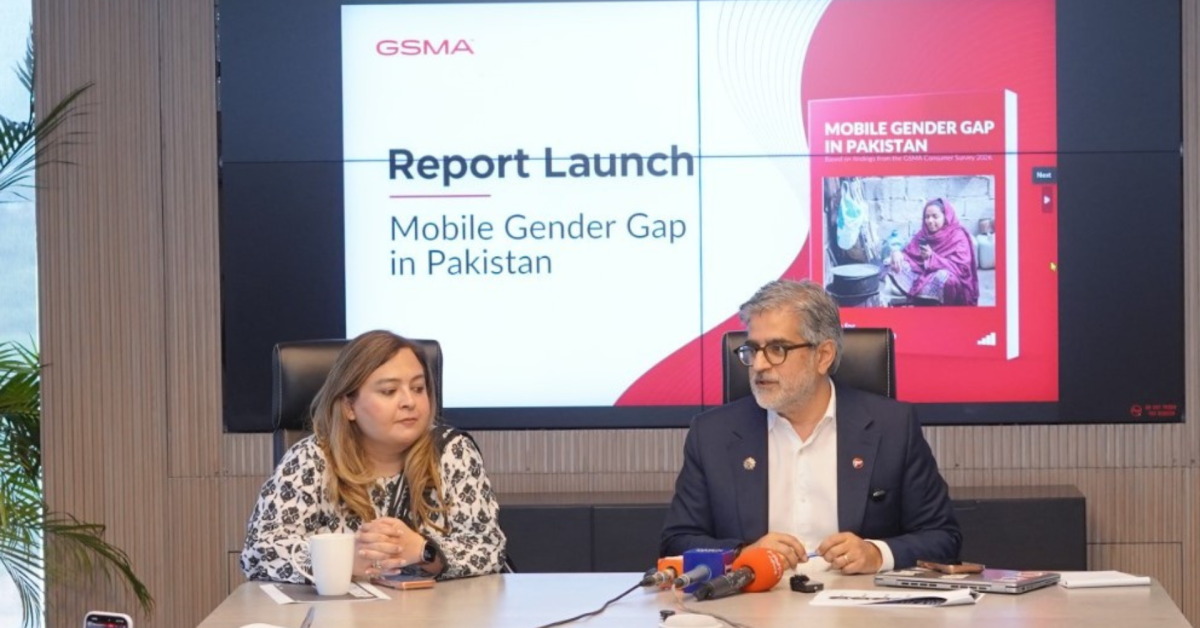
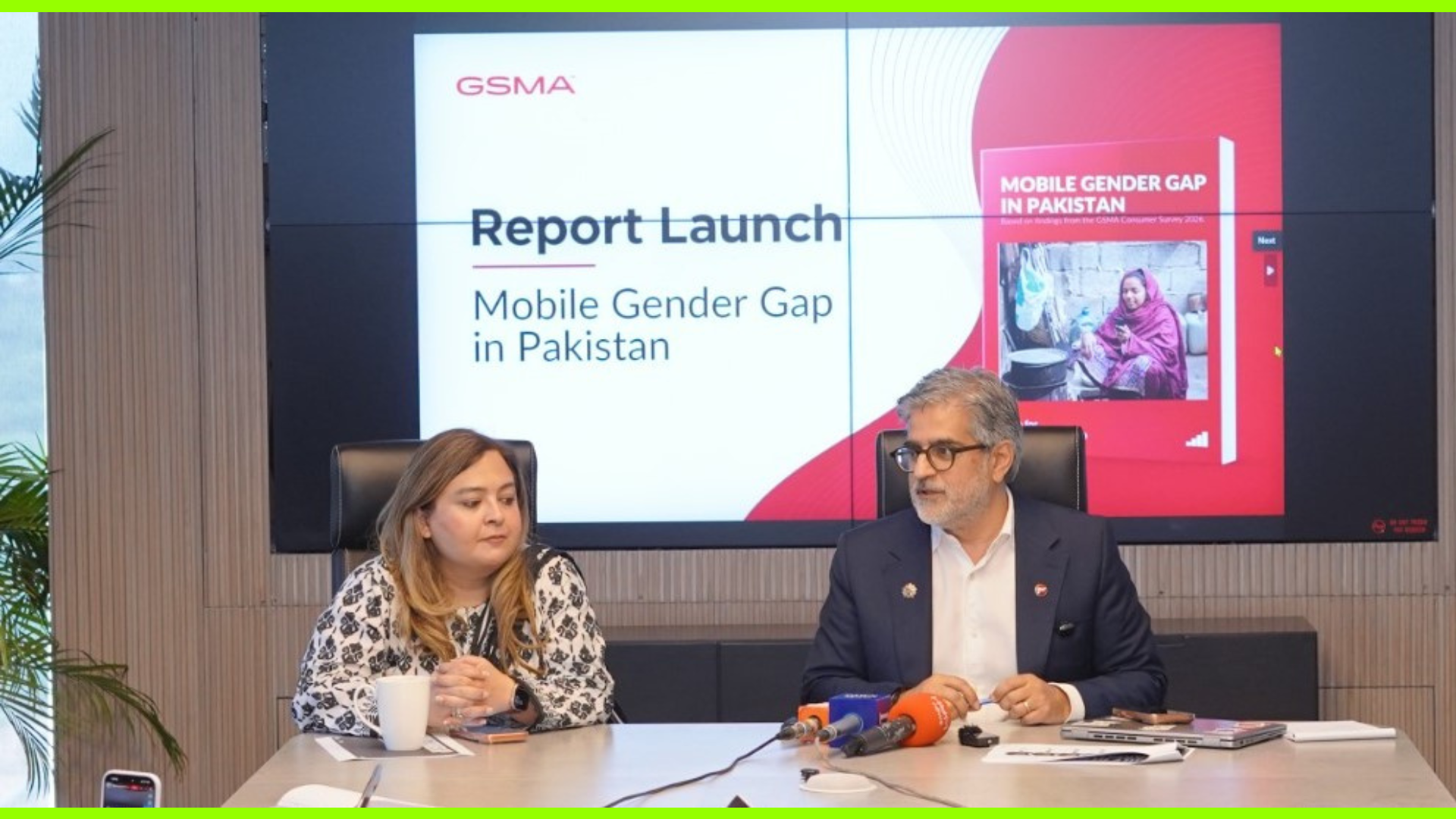
The architectural framework of Pakistan’s digital landscape is undergoing a calibrated shift. Data from the GSMA Mobile Gender Gap Report 2026 reveals a precision-led reduction in the mobile gender gap, positioning the nation as a global leader in inclusive connectivity. Consequently, the Telecom Operators’ Association (TOA) and GSMA recently convened to analyze these historic structural improvements.
Calibrating Progress: Significant Reductions in the Mobile Gender Gap
Pakistan recorded the most substantial improvement among all surveyed countries. Specifically, the mobile ownership gender gap declined from 37% in 2024 to 27% in 2025. Furthermore, the nation emerged as a top performer across 14 low- and middle-income countries (LMICs). Most notably, the mobile internet gender gap plummeted from 25% to a mere 8% within a single year. This 17% reduction represents one of the fastest global adoption rates ever recorded.
The report highlights a critical performance baseline: 94% of women with personal smartphones engage with mobile internet daily. In contrast, only 48% of women using shared devices achieve the same level of engagement. Therefore, individual device ownership acts as the primary catalyst for meaningful digital participation.
Strategic Barriers to Systemic Digital Inclusion
During the summit, Chairman of TOA Aamir Ibrahim emphasized that sustaining this momentum requires a strategic focus on affordability and digital literacy. While the data shows progress, structural barriers remain. Participants identified high device costs, limited digital skills, and restrictive social norms as primary hurdles. Consequently, the industry must develop a multi-dimensional response to ensure safe and inclusive online environments for all citizens.
The Situation Room Analysis
The Translation (Clear Context)
This development is not merely about device sales; it represents the precision-engineered removal of structural barriers to information. When the mobile gender gap shrinks, the “digital divide” transforms from a theoretical problem into a solved metric. The shift from 37% to 27% ownership indicates a move from shared dependency toward individual digital agency, allowing women to control their own data and financial destiny.
The Socio-Economic Impact
For the average Pakistani household, this transition serves as a catalyst for economic efficiency. Women with personal mobile access contribute more effectively to the micro-economy through entrepreneurship and digital freelancing. Additionally, increased connectivity improves household health outcomes as mothers gain direct access to tele-medicine and educational resources, bypassing traditional mobility constraints in both urban and rural settings.
The Forward Path (Opinion)
We categorize this development as a definitive Momentum Shift. The 17% drop in the internet usage gap proves that current policy frameworks under MoITT and PTA are functioning as efficient catalysts. To maintain this trajectory, the state must now transition from “Access Provision” to “System Optimization.” This involves lowering the baseline tax on entry-level smartphones to ensure that the remaining 27% ownership gap is closed with mathematical precision.








