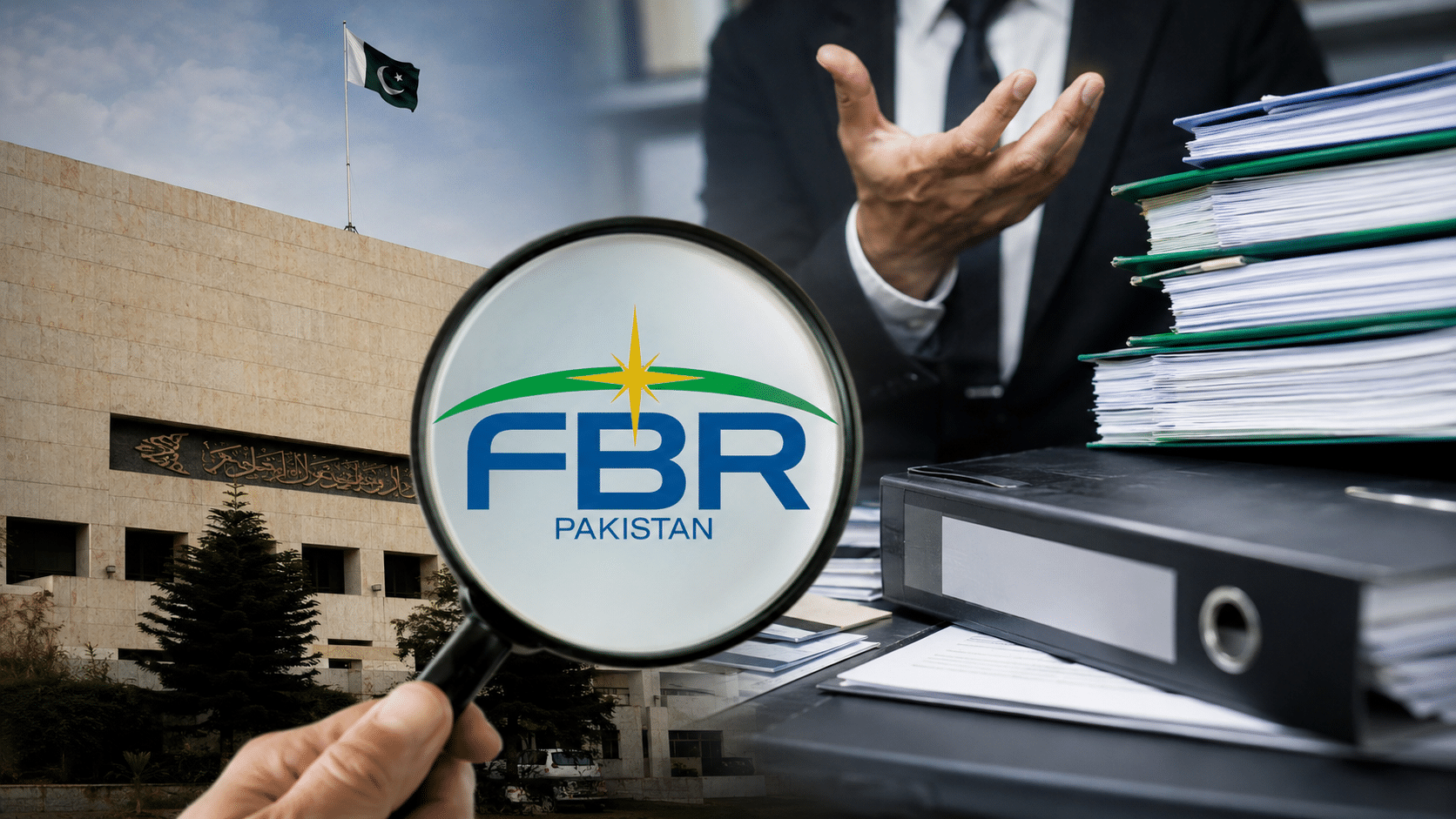
The Pakistan government unveiled a New Tax Operating Model (NTOM) to recalibrate the national fiscal architecture by replacing traditional officer-led processes with a faceless, data-driven framework. This strategic shift aims to minimize human intervention and enhance system efficiency through centralized analytics and risk-based compliance. Consequently, the Federal Board of Revenue (FBR) will transition into a technology-enabled institution designed to maximize transparency and strengthen taxpayer rights.
The Translation: Digital Autonomy Over Discretion
The New Tax Operating Model represents a structural redesign of how the state manages capital. Traditionally, tax collection relied on the discretionary judgment of individual officers. Consequently, this created a baseline for systemic inconsistency and inefficiency. The new framework separates audit, assessment, and field operations into specialized digital functions. Therefore, the system uses precision data analytics to detect evasion, effectively removing the human element from initial enforcement actions and creating a more accountable tax administration.
The Socio-Economic Impact: Precision for the Citizenry
For the average Pakistani professional or business owner, this reform acts as a catalyst for a more predictable financial environment. By reducing direct interaction with tax officials, the system lowers the “compliance cost” associated with bureaucratic friction. Furthermore, the FY2026-27 budget focuses on broadening the tax base rather than increasing the burden on existing payers. This move stabilizes household disposable income while promoting the documentation of the economy through Digital Pakistan initiatives. Specifically, exporters and salaried individuals will find the new framework offers simpler, more predictable services.
The Forward Path: A Momentum Shift
This development represents a significant Momentum Shift for the nation. Moving toward an automated tax administration is a calibrated move to restore investor confidence and improve sovereign credit ratings. While the transition may lead to tax officers leaving the FBR due to reduced discretionary powers, the resulting institutional stabilization is vital for progress. Successful IMF program reviews and renewed access to international capital markets suggest these reforms are already strengthening the macroeconomic outlook. We view this as a necessary evolution for Pakistan’s long-term economic sovereignty.