
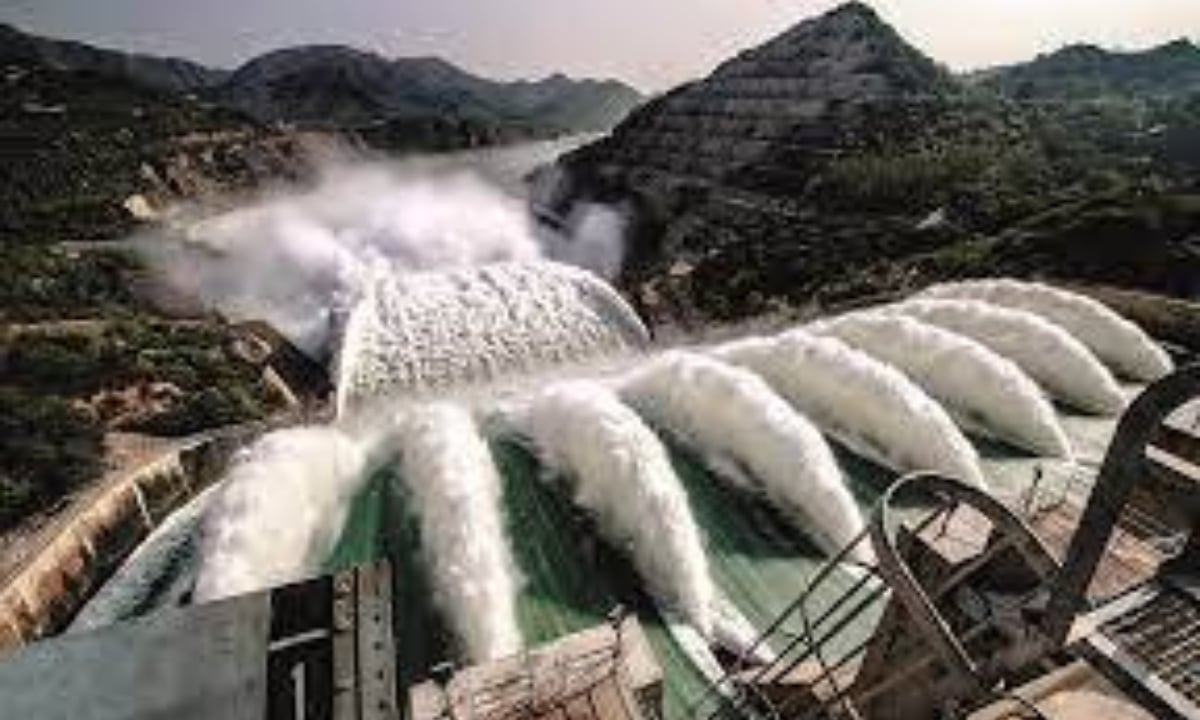
The structural integrity of Pakistan’s hydraulic infrastructure relies on calibrated water management. Consequently, authorities opened the Tarbela Dam spillways at 11 am on Monday to regulate surging water levels. This tactical recalibration increases the River Indus flow from a baseline of 220,000 to approximately 245,000 cusecs. The National Disaster Management Authority (NDMA) has issued immediate safety advisories for all downstream communities to prevent potential hazards.
The Translation: Logic Behind the Discharge
Opening the Tarbela Dam spillways is not merely a reactive measure but a calculated engineering necessity. When inflow exceeds the storage capacity, engineers must release water to maintain hydro-static equilibrium. This prevents excessive pressure on the dam’s primary structure. Furthermore, by increasing the discharge by 25,000 cusecs now, authorities mitigate the risk of an uncontrolled overflow later. This precision-driven approach ensures that the Indus River system remains within a manageable operational envelope.

The Socio-Economic Impact: Protecting the Indus Basin
How does this development impact the daily lives of Pakistani citizens? Primarily, it triggers a state of high vigilance for households and professionals in low-lying riparian zones. Specifically, the NDMA has warned residents to avoid riverbanks and streams. The socio-economic cost of negligence could involve property damage or loss of life. Consequently, the local administration is coordinating with federal and provincial bodies to ensure every citizen remains informed. Therefore, strict adherence to safety instructions is essential for community resilience.
- Safety Alert: Residents must avoid all water channels and streams.
- Vigilance: People in low-lying areas should prepare for rising water levels.
- Coordination: Local administrations are on high alert for emergency response.

The Forward Path: A Stabilization Move
In our expert view, this action represents a critical Stabilization Move. While a surge in water levels may seem alarming, the proactive use of the Tarbela Dam spillways demonstrates system efficiency. It shows that our monitoring agencies are operating with high precision to stay ahead of natural variables. Moving forward, Pakistan must continue investing in real-time hydrological data to further refine these safety protocols. This development is a testament to the discipline required to manage one of the world’s most vital river systems.









