
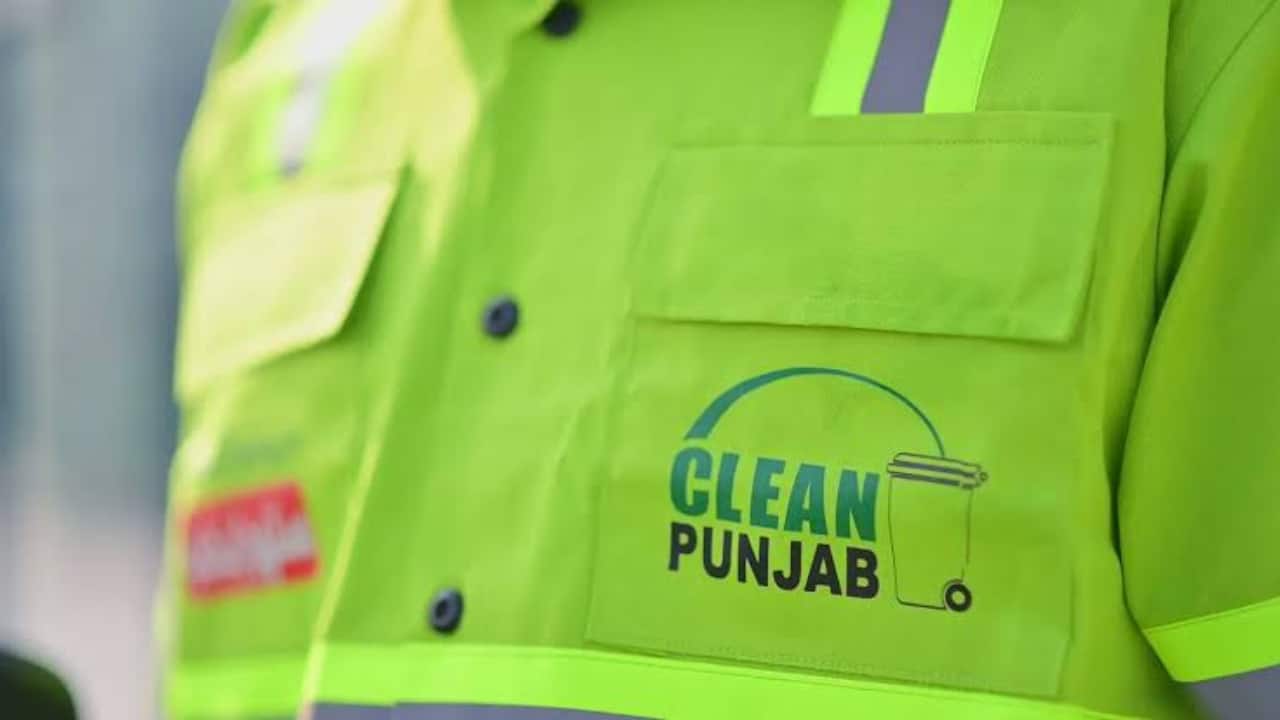
The Suthra Punjab initiative serves as a vital catalyst for regional cleanliness, yet recent reports from Basti Umarpuri and surrounding areas indicate a structural breakdown in the program’s financial protocols. Residents allege that sanitation workers are bypassing official billing systems, demanding unauthorized cash payments without providing documentation. This friction between frontline operations and departmental policy threatens to destabilize the project’s efficiency baseline.
Systemic Disruption: Unregulated Fee Collection in the Suthra Punjab Initiative
In localities such as Adda Chakrala and Chak 97/WB, citizens report that workers demanded a monthly fee of Rs. 200. Consequently, when residents requested official receipts, the personnel allegedly refused, insisting on direct cash transactions. This deviation from the calibrated billing system has led to physical altercations. Specifically, Mian Abdul Aziz, a local resident, reported aggressive behavior and the snatching of his mobile device when he attempted to document these irregularities.
- Unauthorized Fees: Demand for Rs. 200 without official billing.
- Documentation Deficit: Refusal to provide legal receipts or proof of payment.
- Asset Scarcity: Lack of official garbage bins despite fee collection.
- Operational Friction: Reports of aggression against residents seeking transparency.
The Translation: Operational Breakdown vs. Policy
In “Next Gen” clarity, the logic is simple: a centralized system is only as strong as its weakest node. While the Punjab government designed the Suthra Punjab initiative to be a digital-first, transparent service, the “last mile” execution is failing due to a lack of oversight. The transition from informal waste picking to a regulated government utility requires strict adherence to the approved billing system. When workers bypass this, they aren’t just taking cash; they are short-circuiting the data loop required to measure the program’s success.
The Socio-Economic Impact: Precision in Service Delivery
For the average Pakistani household, a demand for Rs. 200 without a receipt is more than a financial nuisance; it is a breach of the social contract. In rural and semi-urban localities, this unregulated “tax” depletes the disposable income of families already navigating inflation. Furthermore, the absence of physical infrastructure—like waste collection drums—means residents pay for a service that remains functionally incomplete. This creates a trust deficit that makes future civic interventions harder to implement.
The Forward Path: A Momentum Shift or Stabilization?
This development represents a critical Stabilization Move. While the District In-Charge, Rao Khalil, has promised disciplinary action, the system requires a structural upgrade rather than just punitive measures. To maintain momentum, the administration must integrate real-time digital verification for every transaction. We believe that unless the Suthra Punjab initiative closes the loop between payment and proof, it risks becoming a legacy system rather than a catalyst for modern progress.








