

The convergence of generative AI and user-centric data is fundamentally recalibrating how we consume digital information. Spotify recently introduced Spotify AI Podcasts, a precision-engineered tool that synthesizes private, on-demand audio episodes tailored specifically to your unique taste profile and listening habits. This feature represents a strategic shift from passive consumption to active, personalized content architecture.
Engineered Personalization: How Spotify AI Podcasts Work
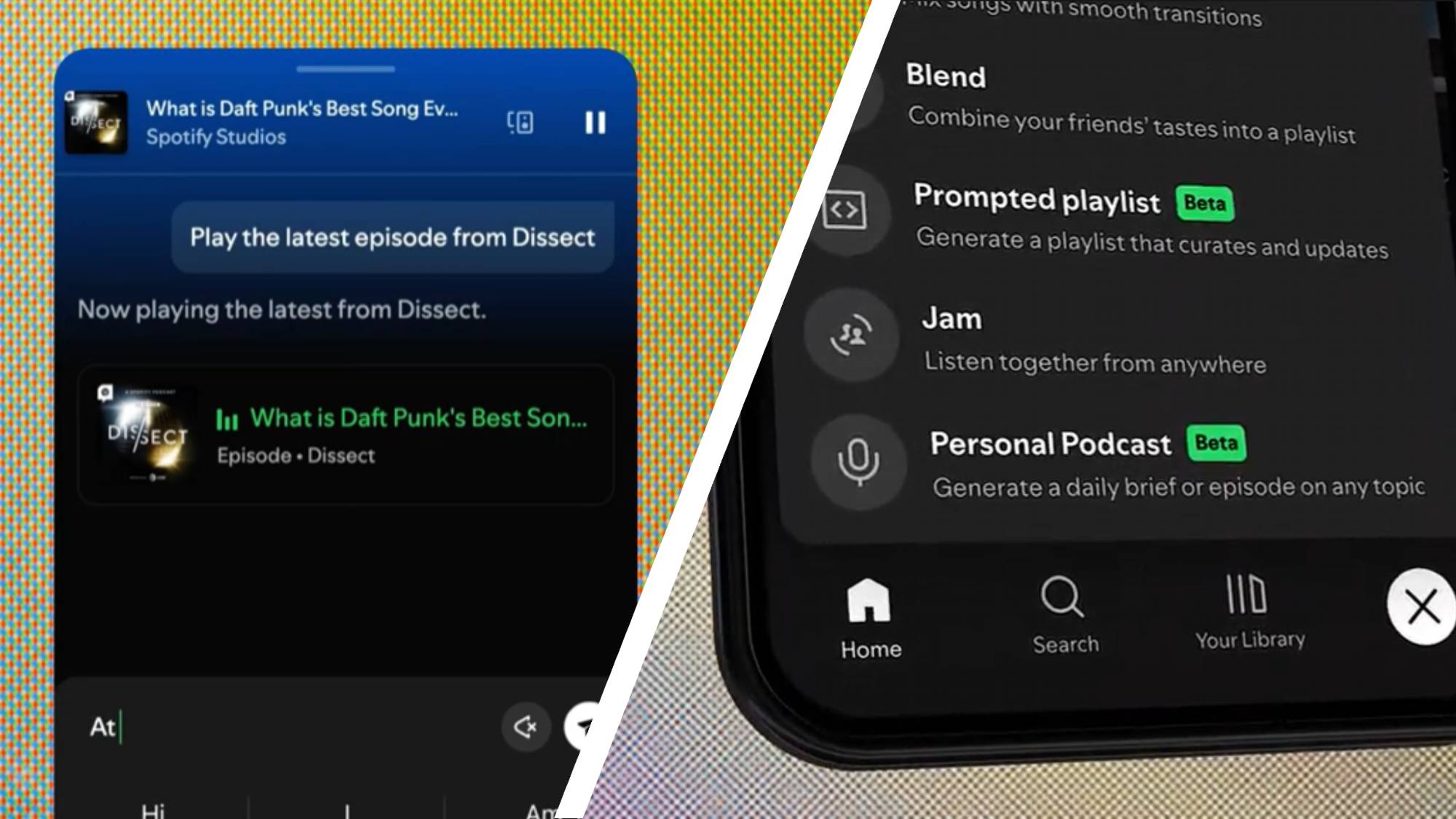
Spotify built this feature to allow users to generate private audio episodes using simple text prompts. By analyzing your established “taste profile” alongside world knowledge, the system creates a calibrated listening experience. Furthermore, the platform allows for recurring schedules, enabling a new level of system efficiency in daily routines.
- Daily Briefings: Automated morning updates based on local news and favorite artists.
- Weekly Roundups: Summarized recaps of personal interests or industry trends.
- One-Time Explainers: Instant audio breakdowns of complex subjects like economics or physics.

Calibrated Customization with External Data
The tool’s utility extends beyond simple prompts. Users can upload specific context to refine the output quality. Consequently, this makes the tool a powerful catalyst for researchers and students who need to digest high-density information quickly.
To improve the precision of the generated content, you can integrate:
- Direct web links for real-time analysis.
- PDF documents for academic or professional synthesis.
- Custom text blocks to steer the AI’s narrative focus.
Users maintain full control over the aesthetic output as well. Specifically, you can refine the prompt multiple times and select different AI-generated voices to match the tone of your content.

Strategic Rollout and Credit Systems
Spotify will initiate the rollout for eligible Premium users in the United States starting in June. To manage the high computational demands of generative audio, Spotify implemented a monthly credit system. While users receive a baseline number of credits, the platform provides the option to acquire additional credits for high-volume generation.
The Translation: Deconstructing the Generative Audio Stack
In technical terms, Spotify is moving beyond simple recommendation algorithms toward Generative Data Synthesis. By combining Large Language Models (LLMs) with high-fidelity synthetic speech, they have created a “Private Agent” for audio. This turns the Spotify app from a library into a laboratory where the user is the executive producer of their own information stream.
The Socio-Economic Impact: Precision Learning for Pakistan
For the modern Pakistani professional or student, this development is a structural game-changer. In a fast-paced economy, the ability to convert a 40-page research PDF or a complex economic report into a 10-minute Spotify AI Podcast during a commute increases human capital efficiency. It bridges the gap between the “Information Glut” and “Actionable Knowledge,” making high-level learning more accessible to urban and rural users alike.
The Forward Path: A Structural Momentum Shift
We categorize this development as a Momentum Shift. Spotify is no longer just a distributor of art; it is becoming a utility for personal productivity. This move signals a future where our digital tools do not just show us what exists, but build exactly what we need in real-time. It is a baseline for the next generation of AI-integrated lifestyle management.








