
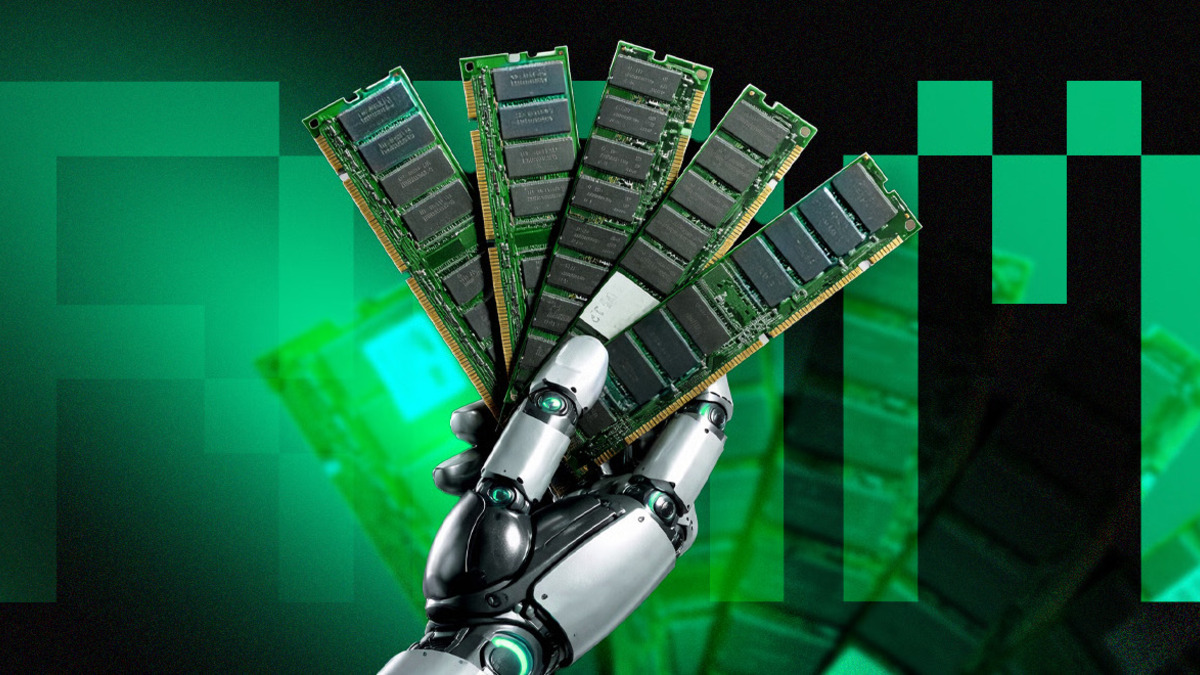
The global memory shortage is approaching a critical baseline that could redefine the technology sector by 2027. SK Hynix CEO Kwak Noh-jung recently warned that this supply deficit might persist well beyond 2030. Consequently, the industry faces a structural challenge where customer demand consistently outpaces production expansion capabilities.
The Structural Catalyst: AI and High-Bandwidth Memory
The rapid proliferation of AI data centers acts as a primary catalyst for this supply-chain tension. High-Bandwidth Memory (HBM) is essential for training advanced AI models, such as those powered by Nvidia accelerators. Because HBM offers higher profit margins, manufacturers are strategically reallocating their production lines toward these specialized chips.

This strategic shift creates a secondary deficit in mainstream products. Specifically, the production of DDR4, DDR5, and NAND flash storage will likely face reduced capacity. As a result, manufacturing costs for personal computers, smartphones, and gaming consoles will inevitably rise.
The Situation Room Analysis
The Translation: Decoding the Chip Deficit
In simpler terms, the world is moving from general-purpose computing to AI-centric computing. While a standard computer uses traditional RAM, an AI server requires specialized, high-density memory. Manufacturers cannot build factories fast enough to satisfy both markets. Therefore, they are prioritizing the high-value AI sector, leaving the consumer market in a calibrated state of undersupply.
The Socio-Economic Impact: What This Means for Pakistan
For the average Pakistani citizen, this development signals a precision-strike on digital affordability. As global component prices climb, the cost of entry-level smartphones and laptops will increase. This trend could potentially slow down digital literacy initiatives for students and increase the operational overhead for local IT freelancers and tech startups relying on affordable hardware.
The Forward Path: A Momentum Shift
This development represents a significant Momentum Shift. We are witnessing the birth of a permanent AI infrastructure layer that demands more resources than the current global baseline can provide. For Pakistan, this underscores the urgent need to pivot toward high-value software services that can offset the rising costs of imported hardware.
Navigating the Global Memory Shortage Risks
Major technology giants are already securing their futures through “take-or-pay” agreements. These calibrated contracts require companies to pay for committed chip quantities regardless of immediate need. While these deals stabilize revenue for manufacturers like SK Hynix and Samsung, they create a barrier for smaller electronics companies.
Strategic Infrastructure Expansion
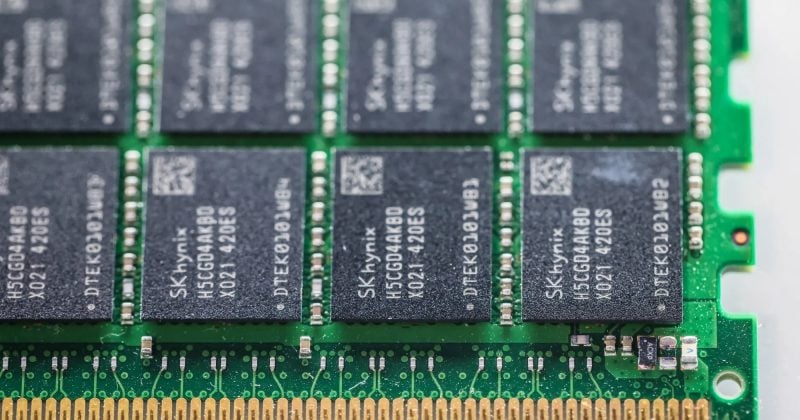
To mitigate the crisis, SK Hynix is expanding its footprint in South Korea, the United States, and Southeast Asia. Concurrently, Micron has committed over $250 billion to American manufacturing through 2035. However, these facilities require years to become operational. Therefore, the industry must prepare for a prolonged period of high prices before this new capacity reaches the market.

Ultimately, 2027 will serve as the stress test for the global digital economy. The industry’s ability to balance AI innovation with consumer electronics stability remains the most critical variable in this architectural shift.








