
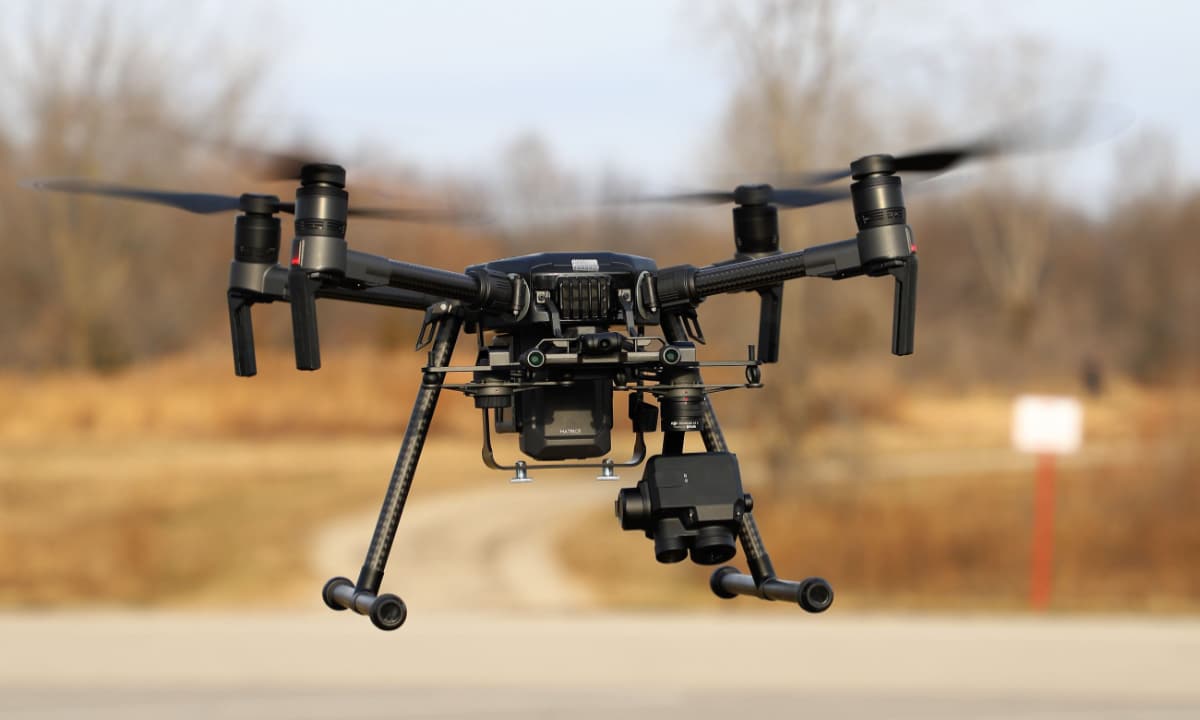
Sindh Inspector General Javed Alam Odho recently established a high-level committee to execute a comprehensive Sindh Police modernization strategy. This tactical shift integrates artificial intelligence, drone-based aerial surveillance, and dedicated cybercrime units to meet evolving security challenges. By prioritizing technical precision over traditional methods, the province aims to establish a new baseline for domestic law enforcement efficiency.
Structural Upgrades for Sindh Police Modernization
Additional IG Establishment Training, Iqbal Dara, will lead the newly formed committee. This body includes senior experts from the Establishment and West Zones, alongside finance and investigation leadership. Consequently, the committee possesses the authority to overhaul internal recruitment and operational frameworks to accommodate high-tech policing requirements.
The strategic mandate focuses on several critical technological pillars:
- Artificial Intelligence Systems: For predictive policing and data-driven decision-making.
- Drone Surveillance: To provide real-time aerial intelligence in high-density urban areas.
- Cybercrime Units: Dedicated specialized teams to combat the rising digital threats in Pakistan.
- Strategic Communication: Modernizing how the department interacts with the public and handles media.
Recruiting the Next Generation of Experts
The committee will also evaluate current staffing needs to identify gaps in technical expertise. Specifically, the department seeks to recruit IT professionals and skilled analysts who can manage complex surveillance networks. Furthermore, the body will recommend a new framework for assigning officers to roles that require specialized technical training, ensuring the right talent manages the right tools.
The Situation Room: Analysis
The Translation (Clear Context)
While traditional policing focuses on physical presence, this initiative shifts the focus to informational dominance. By creating specialized units for AI and cybercrime, the Sindh Police is acknowledging that modern crime is no longer restricted to physical streets. They are building a digital “nervous system” that allows the force to react to threats before they escalate into physical incidents.
The Socio-Economic Impact
This development directly impacts the safety of the average Pakistani household. Improved cybercrime response Pakistan protocols mean better protection for digital banking, online identity, and social media safety for students and professionals. Moreover, drone surveillance in urban centers can reduce street crime by providing a “eye in the sky” that deters criminals in previously unmonitored alleys.
The Forward Path (Opinion)
This initiative represents a significant Momentum Shift for the province. For too long, law enforcement has relied on reactive measures and outdated hardware. By embedding IT experts into the police structure, the IG is creating a scalable model for systemic efficiency. If successfully executed, this Sindh Police modernization could serve as the primary catalyst for civil reform across Pakistan.








