

Pakistan’s trajectory towards a secure future hinges on strategic urban development and advanced technological integration. The Sindh government has officially approved the Karachi Safe City Project Phase-II, a monumental investment of Rs9.98 billion aimed at dramatically bolstering security and surveillance across Karachi. This strategic initiative will deploy over 2,300 smart cameras and establish an integrated command structure, fundamentally transforming urban safety and emergency response capabilities within 12 months.
The Translation: Calibrated Security for Urban Resilience
This approval signifies a precise move towards a digitally integrated security framework for Pakistan’s largest city. During a high-level meeting involving the home minister, chief secretary, and police leadership, the Sindh government ratified the project. Consequently, this initiative directly addresses the critical need for enhanced law enforcement capabilities and refined traffic management systems.
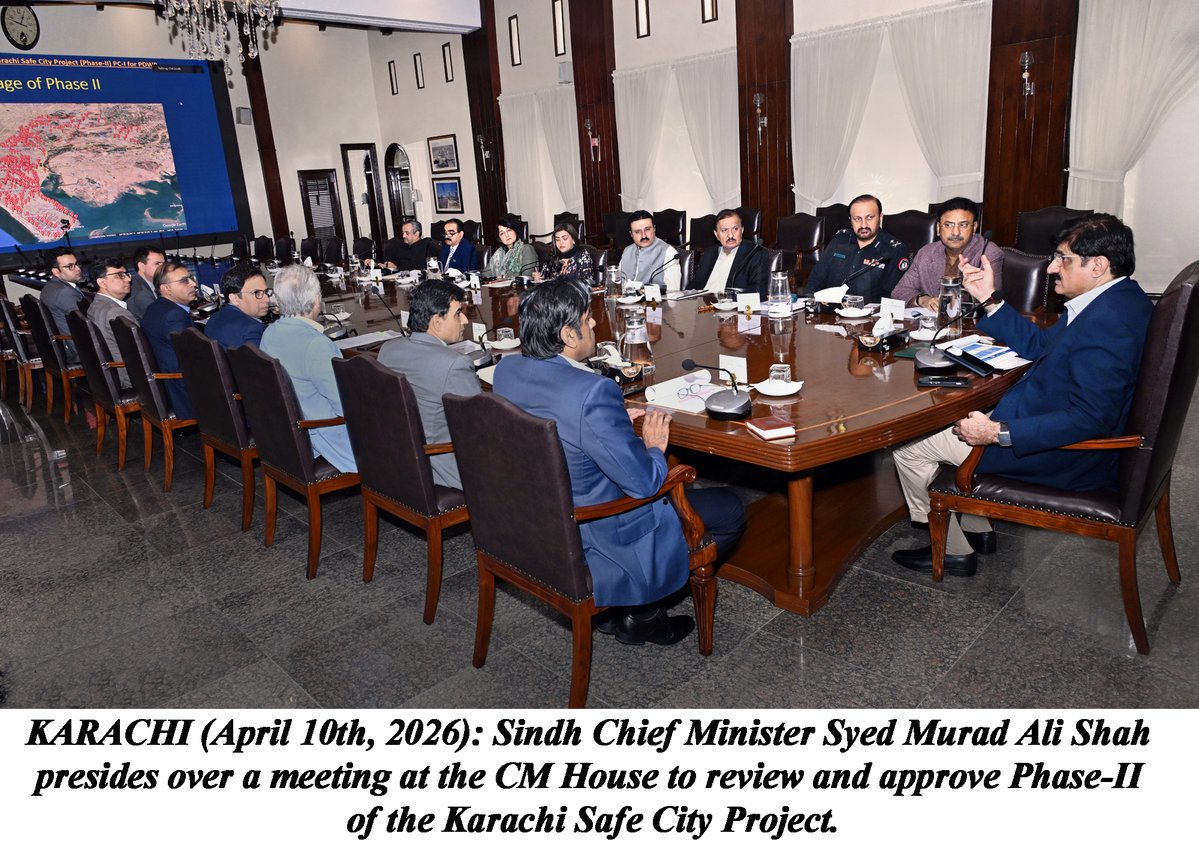
Precision Surveillance: Over 2,300 Smart Cameras Deployed
Under Phase-II, authorities will strategically install more than 2,300 smart cameras across various Karachi districts, including South, East, Korangi, Keamari, Malir, and West. This calibrated deployment includes specialized units for distinct security functions:
- 870 cameras for general surveillance, providing broad oversight.
- 1,300 cameras equipped with advanced facial and number plate recognition technology, enhancing identification precision.
- 80 cameras dedicated to traffic enforcement, ensuring compliance and flow.
- 56 mobile surveillance units, offering adaptable and responsive monitoring capabilities.
- 8 cameras specifically for traffic signal monitoring, optimizing urban mobility.
Advanced Infrastructure: A Structural Upgrade for Safety
The project, with an estimated completion within 12 months and a formal launch in May 2026, represents a comprehensive upgrade to Karachi’s security infrastructure. Significantly, it incorporates several state-of-the-art components to establish a robust and resilient system:
- Surveillance towers and drones, extending aerial monitoring capabilities.
- Public panic buttons, offering immediate emergency access for citizens.
- Response vehicles, ensuring rapid deployment and intervention.
- Backup power systems, guaranteeing uninterrupted operation of critical infrastructure.
- Integrated command and control centers, centralizing real-time data and coordination.

The Socio-Economic Impact: Catalyzing Daily Life Improvements
This substantial investment directly impacts the daily lives of Pakistani citizens in Karachi. Students will experience safer routes to educational institutions. Professionals will navigate a city with reduced crime rates, fostering a more conducive business environment. Moreover, households across urban and rural Karachi will benefit from enhanced public safety. The implementation of rapid response systems and widespread surveillance aims to diminish criminal activity, consequently creating a more secure atmosphere for all residents.
Furthermore, improved traffic management through dedicated cameras will streamline commutes, alleviating congestion and saving valuable time for workers and families. This structural enhancement to the city’s security apparatus is designed to elevate the overall quality of life and foster sustained economic activity.
The Forward Path: A Definitive Momentum Shift for Karachi Safe City Project
This development undeniably represents a Momentum Shift for Karachi. Murad Ali Shah, Chief Minister of Sindh, explicitly stated that this project constitutes a key investment in public safety and crime prevention. He emphasized that modern technology will significantly enhance law enforcement capacity, concurrently improving traffic management and emergency response protocols.
He further directed authorities to ensure the project’s timely completion and approved transparent recruitment for the Sindh Safe City Authority. Consequently, this strategic move is not merely a maintenance effort but a progressive leap towards establishing an integrated, provincial security system. The government is also considering expanding similar Safe City projects to other key urban centers, including Hyderabad, Sukkur, Larkana, Mirpurkhas, and Shaheed Benazirabad, indicating a broader, systematic approach to national advancement.








