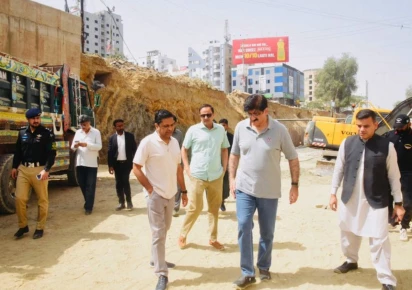
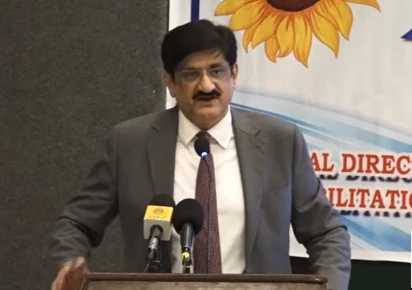
Infrastructure serves as the structural baseline for a high-functioning urban economy. Consequently, the Shahrah-e-Bhutto opening represents a strategic calibration of Karachi’s logistical layout. Sindh Chief Minister Murad Ali Shah recently audited the 38-kilometer corridor, directing a 24-hour construction cycle to ensure completion before the Eid holidays. By prioritizing this corridor, the provincial government aims to alleviate systemic congestion and provide a precision-engineered “gift” to the citizens of Karachi.
Optimizing the 38-Kilometer Strategic Link
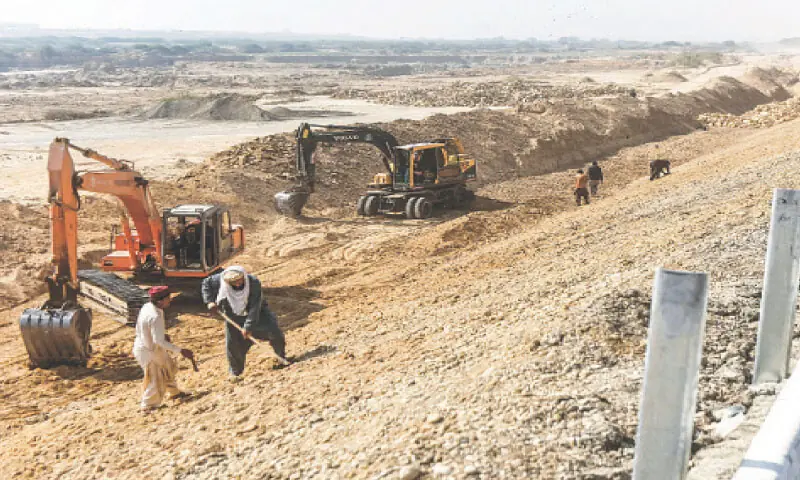
The project spans from the Jam Sadiq Interchange to the M-9 Kathore Interchange, creating a vital artery for the city. Currently, the engineering team has successfully reached a 93% completion baseline. Furthermore, all critical bridge structures are standing, and asphalt work has entered its final technical phase. To maintain this momentum, the Chief Minister emphasized that quality standards must not be compromised during the accelerated 14-day finishing window.
The Translation: Breaking Down the Logistics
In technical terms, the Shahrah-e-Bhutto opening is more than just a road expansion; it is a high-velocity bypass. It effectively decouples heavy industrial traffic from residential transit flows. By linking the urban center directly to the M-9 motorway, the project reduces “logistical friction.” This results in shorter transit times for goods and passengers, optimizing the overall system efficiency of Karachi’s road network.
The Socio-Economic Impact: Life on the Ground
How does this structural update change daily life? For the average professional in Karachi, this corridor reduces the time-cost of commuting. Students and households will benefit from enhanced safety measures and managed traffic flows during the project’s final phase. In contrast to existing routes, this corridor provides a predictable, high-speed path that lowers fuel consumption and vehicle wear for thousands of daily users.
The Forward Path: Architecting the Shahrah-e-Bhutto Opening
From a STEM-driven perspective, this development represents a Momentum Shift. The ability to coordinate a 38-kilometer project to 93% completion indicates a successful synchronization of resources and engineering labor. While the “Eid gift” deadline is an ambitious target, the structural integrity of the bridges and joints suggests a move toward long-term stabilization of Karachi’s infrastructure. The focus must now remain on the precision of the final asphalt layers to ensure durability under heavy loads.