
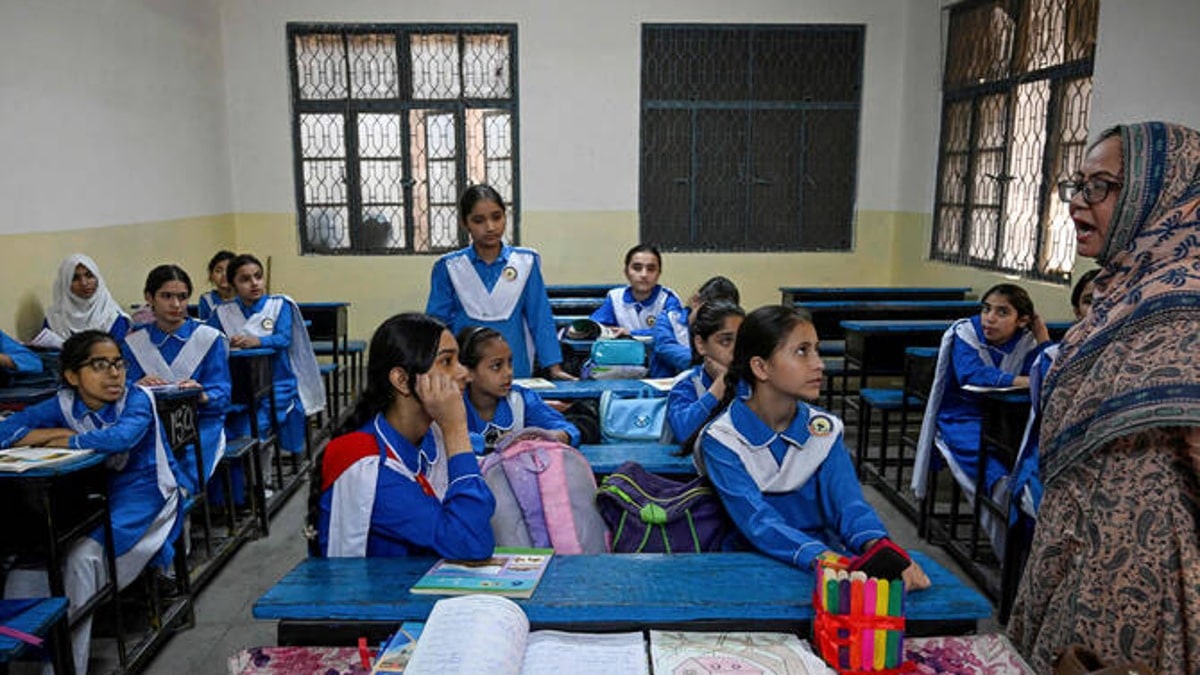
The Sindh School Education Department has strategically calibrated the Sindh school timings to align provincial academic schedules with institutional capacity and seasonal demands. Effective August 6, 2026, this structural update impacts primary, elementary, secondary, and higher secondary institutions across the region. Consequently, administrative heads must ensure immediate implementation to maintain systemic precision.
Understanding the New Sindh School Timings Architecture
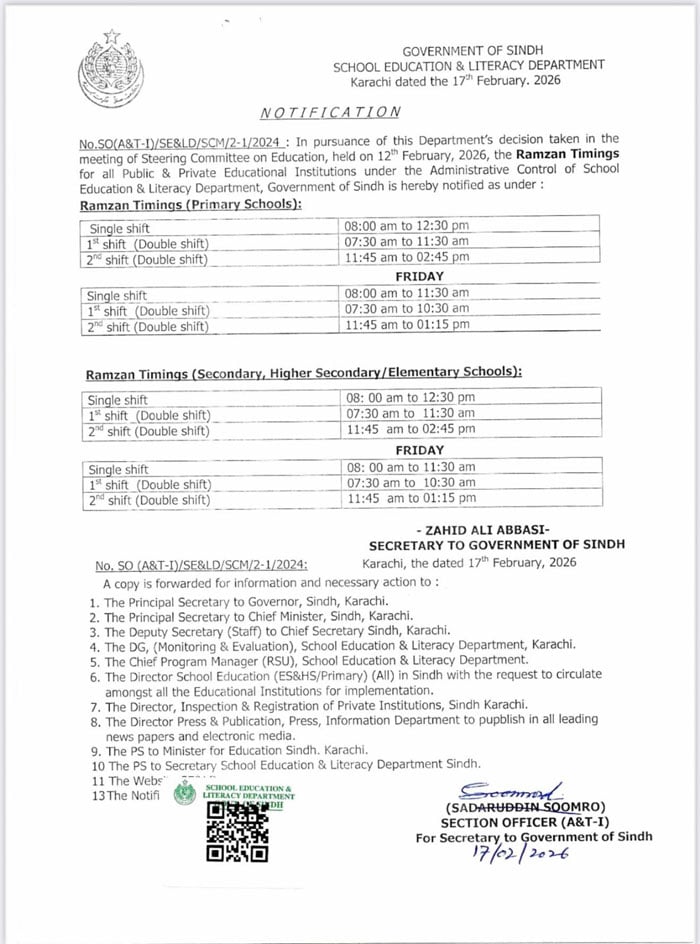
The department has established distinct operational windows based on school levels and seasonal transitions. For single-shift primary schools, the initial phase from August 6 to October 31 requires operations from 8:00 a.m. to 2:30 p.m. (Monday to Thursday). Furthermore, Friday sessions will conclude at 1:00 p.m. to facilitate communal requirements.
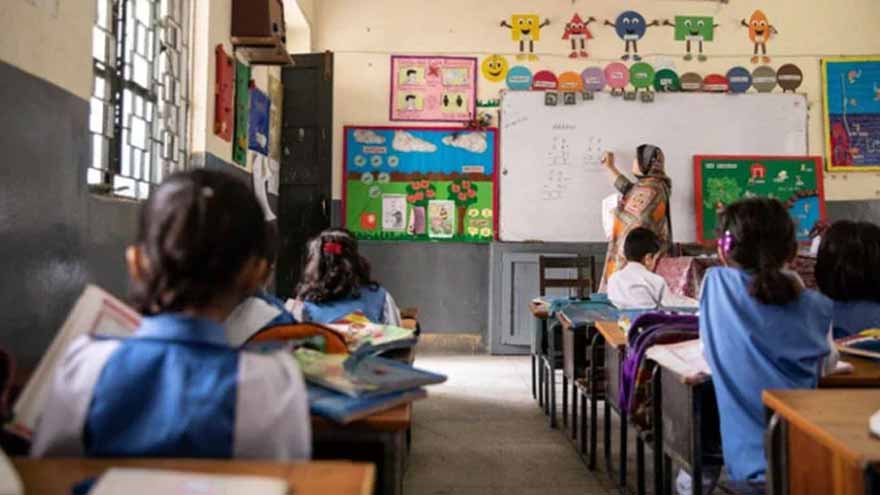
As the seasonal baseline shifts on November 1, primary schools will adjust their window to 8:30 a.m. through 3:00 p.m. This transition remains in effect until March 31. Notably, double-shift institutions follow a more intensive schedule, with the first shift commencing at 7:30 a.m. during the warmer months and 8:00 a.m. during the winter cycle.
Key Schedule Specifics
- Primary Single-Shift (Summer): 8:00 a.m. – 2:30 p.m.
- Primary Single-Shift (Winter): 8:30 a.m. – 3:00 p.m.
- Secondary First Shift (Summer): 7:30 a.m. – 1:30 p.m.
- Secondary First Shift (Winter): 8:00 a.m. – 1:45 p.m.
The Situation Room: Strategic Breakdown
The Translation
This revision is not merely a change in hours but a calibrated attempt to manage the “Double-Shift Dilemma” prevalent in urban centers. By staggering the Sindh school timings, the department reduces peak-hour traffic congestion and optimizes the utilization of physical school infrastructure. The logic follows a data-driven approach to student peak-performance windows during varying daylight cycles.
The Socio-Economic Impact
For the average Pakistani household, these shifts act as a catalyst for restructured domestic routines. Standardizing the end-times for primary and secondary tiers helps working parents consolidate transport arrangements. Additionally, the winter shift delay accommodates the late-morning visibility issues often faced in rural Sindh, potentially decreasing commute-related risks for students.
The Forward Path
This development represents a Momentum Shift in provincial governance. The specificity of the timings indicates a move away from generic administrative oversight toward precision-based management. While the transition may require short-term adjustments from families, the structural clarity provided by the department offers a stable baseline for the 2026 academic year.








