
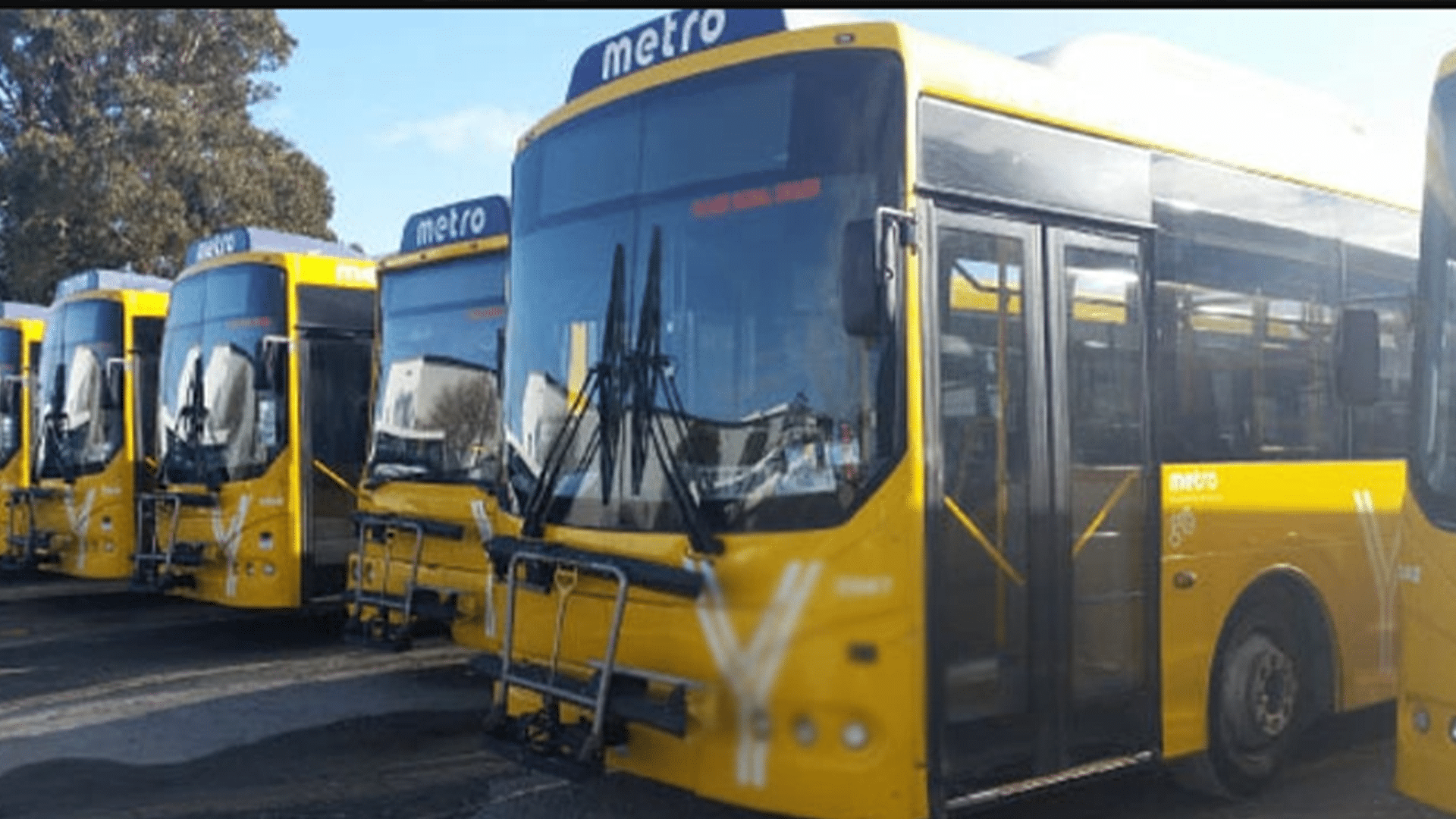
The Sindh Chief Minister’s Inspection Team recently identified massive financial irregularities within the Karachi BRT Project. Specifically, investigators discovered unauthorized payments totaling Rs. 8.5 billion. Project Director Zamir Abbasi and official Jhuman Das allegedly bypassed critical oversight protocols to facilitate these advance payments. Consequently, the provincial government has initiated criminal proceedings to address this systemic breach and protect public funds.
Structural Deficits in the Karachi BRT Project Management
According to the preliminary report led by Bilal Memon, the accused officials violated established contractual terms and financial procedures. They authorized billions in advance payments to contractors without securing the necessary permissions or maintaining financial checks. Furthermore, investigators found repeated violations regarding tax deductions and the proper deposition of funds into the national exchequer. These actions represent a significant abuse of authority that compromises the integrity of the Karachi BRT Project and its agreements with international financing institutions.
The Translation: Decoding Financial Irregularities
In large-scale infrastructure projects, “advance payments” are strictly calibrated to project milestones to ensure contractors deliver on time. By bypassing these checks, officials essentially transferred billions of taxpayer money without verified progress. This creates a high-risk environment where contractors may lack the incentive or the liquid capital to complete the work, potentially leaving the project abandoned. This logic suggests a calibrated attempt to circumvent the “Escrow” style protections usually found in civil engineering contracts.
The Socio-Economic Impact: What This Means for Karachi
For the average resident of Karachi, these irregularities mean more than just missing numbers on a ledger. The Karachi BRT Project Yellow Line is a critical artery designed to reduce transit times and lower commuting costs for thousands of households. When funds are mismanaged, construction timelines inevitably slip, and the “Opportunity Cost” for the city increases. Consequently, students and professionals face continued traffic congestion and higher transportation expenses, directly affecting the disposable income of urban families.
The Forward Path: A Stabilization Move
This development represents a Stabilization Move. While uncovering corruption is often viewed as a setback, the swift registration of an anti-corruption case indicates a necessary correction in the system’s oversight mechanisms. To move from maintenance to true momentum, the Sindh government must implement automated, blockchain-verified payment gateways for infrastructure projects. This would eliminate human intervention in the approval process, ensuring that the Karachi BRT Project can proceed with the precision and transparency required for national advancement.








