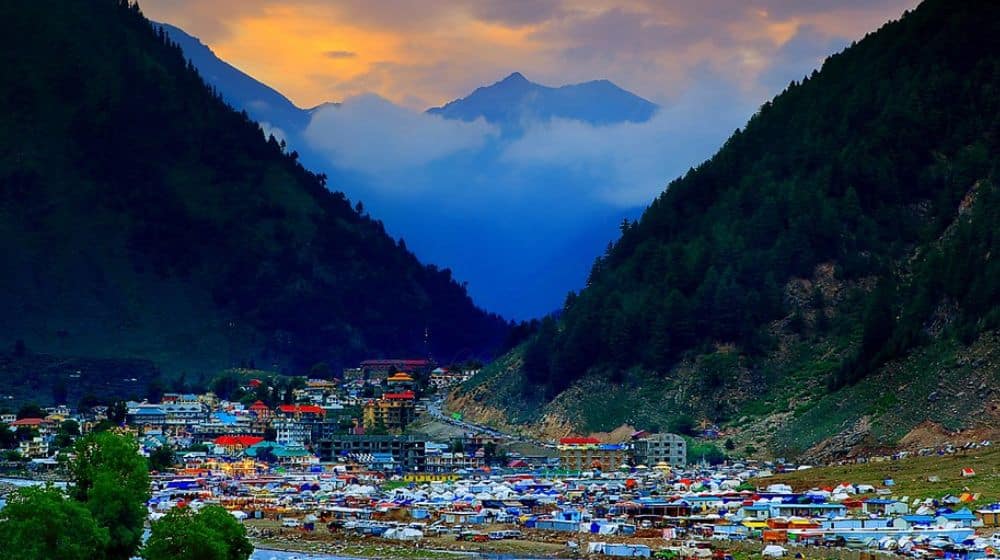
National progress relies on the structural integrity of our transit corridors and the precision of our public safety systems. Consequently, police have initiated a calibrated search and strike operation in the upper regions of Kaghan Valley. This strategic move aims to fortify Kaghan Valley security following the official reopening of the Mansehra Naran Jalkhad (MNJ) Road. As traffic resumes between Khyber Pakhtunkhwa and Gilgit Baltistan, these tactical measures ensure a seamless flow of commerce and tourism across the northern frontier.
Securing the High-Altitude Transit Corridor
The MNJ Road remained dormant for over six months due to heavy winter snowfall and glacial accumulation. However, Balakot DSP Sadaqat Nisar recently confirmed that the route is now clear and operational for all passengers. Consequently, police units have deployed to high-altitude zones including Babusar Top and Chattidas to establish a protective baseline. These high-precision Kaghan Valley security measures are essential for protecting travelers navigating the boundary between the two regions.
Enhanced Monitoring and Infrastructure Safety
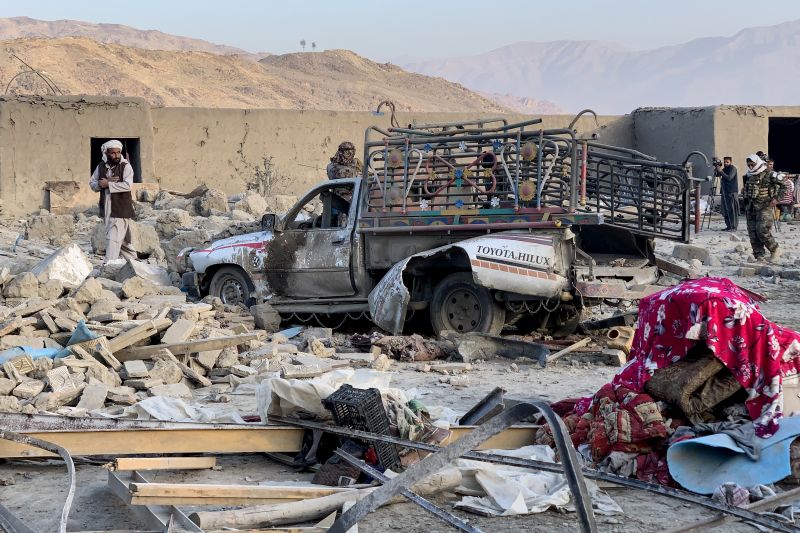
Beyond the main transit routes, the district administration is auditing auxiliary tourism activities to prevent any structural failures. For instance, teams recently inspected the structural safety of rafting equipment on the Kunhar River in Naran. Assistant Commissioner Hasrat Khan emphasized that adherence to government-calibrated safety protocols is mandatory for all water sports service providers. Furthermore, police posts along the route are being reactivated to provide immediate technical and security assistance to visitors.
- Route Clearance: MNJ Road cleared of glaciers and winter snow.
- Tactical Deployment: Police posts established at Babusar Top and Chattidas.
- Safety Audits: Comprehensive inspections of Kunhar River rafting equipment.
- Regional Linkage: Restored connectivity between KP and Gilgit Baltistan.
The Translation (Clear Context)
In technical terms, a “search and strike operation” in this context refers to a proactive security sweep rather than a combat mission. By clearing the high-altitude terrain of potential risks before the summer surge, authorities are creating a “sterile corridor.” This ensures that Kaghan Valley security remains robust during the peak Eidul Azha holidays. Essentially, the government is pre-empting logistical bottlenecks and safety hazards to facilitate high-volume transit without compromising passenger safety.
The Socio-Economic Impact
This development acts as a catalyst for local economic revitalization in the Kaghan region. For the typical Pakistani household, the reopening signifies a return to accessible and safe domestic travel opportunities. Specifically, students and professionals can now traverse the GB-KP border without seasonal obstruction or security fears. This structural improvement in Kaghan Valley security directly boosts the livelihoods of local merchants, raft operators, and hospitality workers who rely on the summer tourism baseline.
The Forward Path (Opinion)
From an architectural perspective, this move represents a significant Momentum Shift. It demonstrates a transition from reactive maintenance to the proactive management of national transit assets. By integrating high-altitude security patrols with tourism safety audits, Pakistan is standardizing its approach to domestic travel infrastructure. This precision-driven model is vital for establishing the region as a reliable and secure international destination for years to come.
Global Security Context Reference
As security operations evolve globally, maintaining a baseline of safety is the catalyst for regional stability.