
The Precision of Synthetic DNA Cells
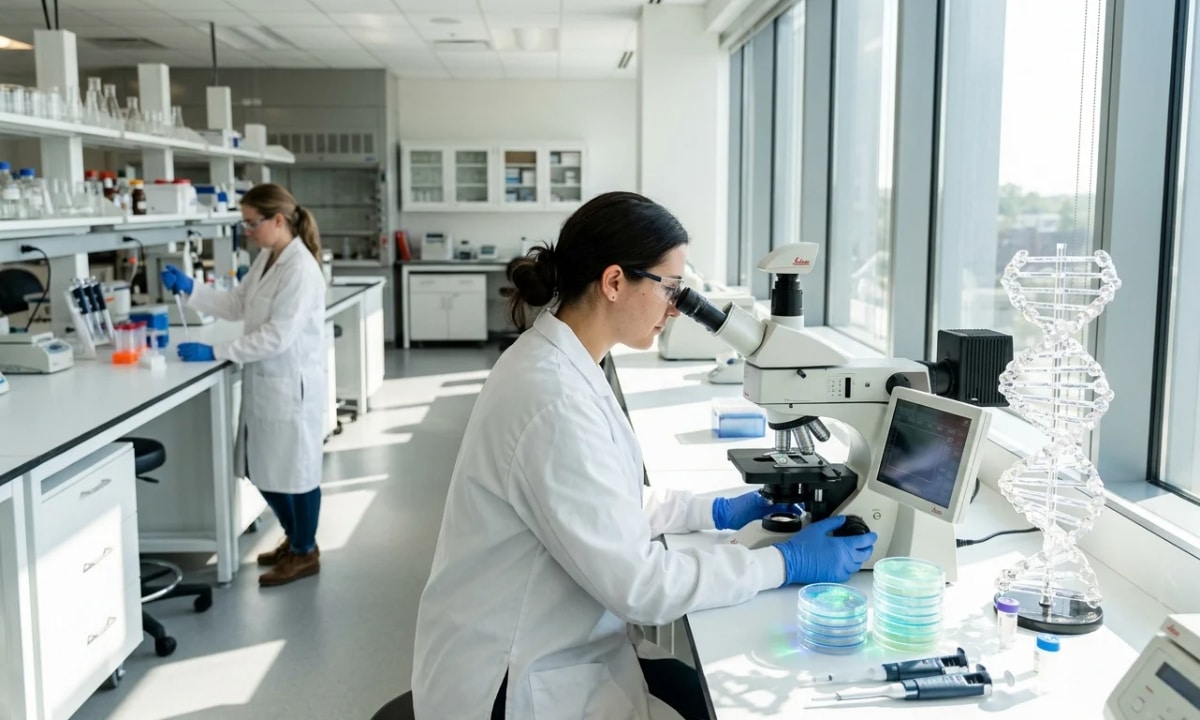
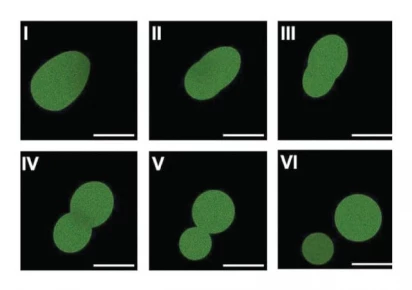
The baseline of biological science has shifted with the emergence of synthetic DNA cells. Scientists at the University of Minnesota have calibrated a structural breakthrough, creating laboratory-made “SpudCells” that demonstrate the fundamental behaviors of life. These artificial entities can grow, replicate their genetic material, and divide within a fully synthetic system. Consequently, this achievement marks a critical milestone in our quest to understand and engineer the building blocks of existence.

The Situation Room: The Translation
To understand this development, we must distinguish between genetic modification and synthetic creation. While standard biotechnology edits existing life, these synthetic DNA cells represent a bottom-up construction. Dr. Kate Adamala’s team utilized chemical compounds to mimic biological logic without relying on natural cellular templates. Although these cells currently require nutrient-rich laboratory solutions to function, they serve as a calibrated platform for creating specialized biological machines.

The Situation Room: The Socio-Economic Impact
This innovation serves as a catalyst for national advancement. For the average Pakistani citizen, the perfection of synthetic DNA cells could lead to the localized production of affordable pharmaceuticals and sustainable food ingredients. Furthermore, the ability to custom-design organisms offers a strategic advantage in developing sustainable fuels. By reducing our dependence on imported biological technologies, Pakistan can stabilize its healthcare costs and improve industrial efficiency through precision biotechnology.
The Situation Room: The Forward Path
In my assessment, this development represents a definitive Momentum Shift. We are moving from a phase of observing nature to a new era of architecting it. While critics argue that synthetic systems must still outperform existing GMOs, the precision offered by lab-made DNA is unparalleled. As an international initiative begins to advance these artificial systems, Pakistan must integrate these biological baselines into its STEM curricula to remain competitive on the global frontier.








