
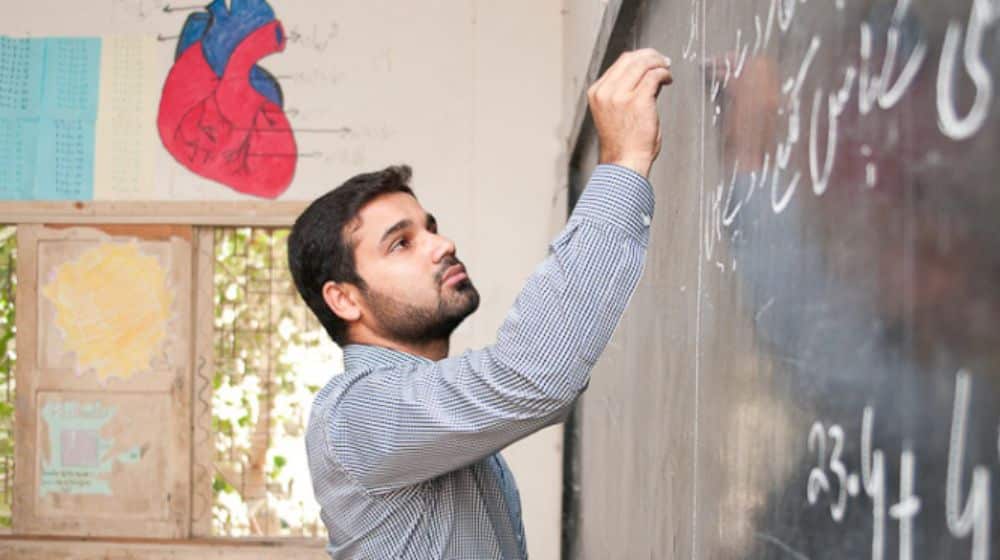
The structural integrity of Pakistan’s academic framework relies on the calibrated deployment of human capital. Consequently, the District Education Authority has mandated rigorous school staff attendance during the current summer vacation period. This strategic directive ensures that educational institutions remain functional as catalysts for the ongoing intermediate examination cycle. By maintaining a baseline presence, the authority aims to mitigate administrative gaps during the traditional holiday downtime.
Calibrating School Staff Attendance for Examination Integrity
Specifically, the District Education Authority has ordered all government school employees to remain present on May 22 and May 25 without exception. Furthermore, the administration will deploy additional personnel to nearby intermediate examination centers if invigilation shortages arise. This precision-based staffing model prioritizes the stability of the assessment system over seasonal breaks. However, the directive provides a logical exemption for teachers already performing examination duties, allowing for operational efficiency.

Meanwhile, the board authorities have identified a strategic pause in the examination schedule. No papers will take place from May 26 to May 31, aligning with the Eid al-Azha holidays. During this period, school heads must maintain a substitute roster to ensure that no institutional bottleneck occurs when the examination cycle resumes.
The Translation: Decoding the DEA Directive
In “Next Gen” clarity, this is not merely a vacation cancellation; it is a workforce optimization strategy. The government is treating school infrastructure as a dynamic resource rather than a seasonal one. By enforcing school staff attendance, the DEA ensures that the examination machinery has a localized reserve of professionals to draw from, preventing delays in the national grading timeline.
The Socio-Economic Impact: Stabilizing the Academic Cycle
This development directly influences the daily lives of thousands of educators and students across Pakistan. For professionals, it represents a shift toward a more disciplined, year-round service model. For households, this ensures that intermediate students face fewer logistical disruptions during their high-stakes exams. Although this requires a sacrifice of holiday time, the long-term benefit is a more resilient and reliable public education system for every Pakistani citizen.
The Forward Path: A Momentum Shift
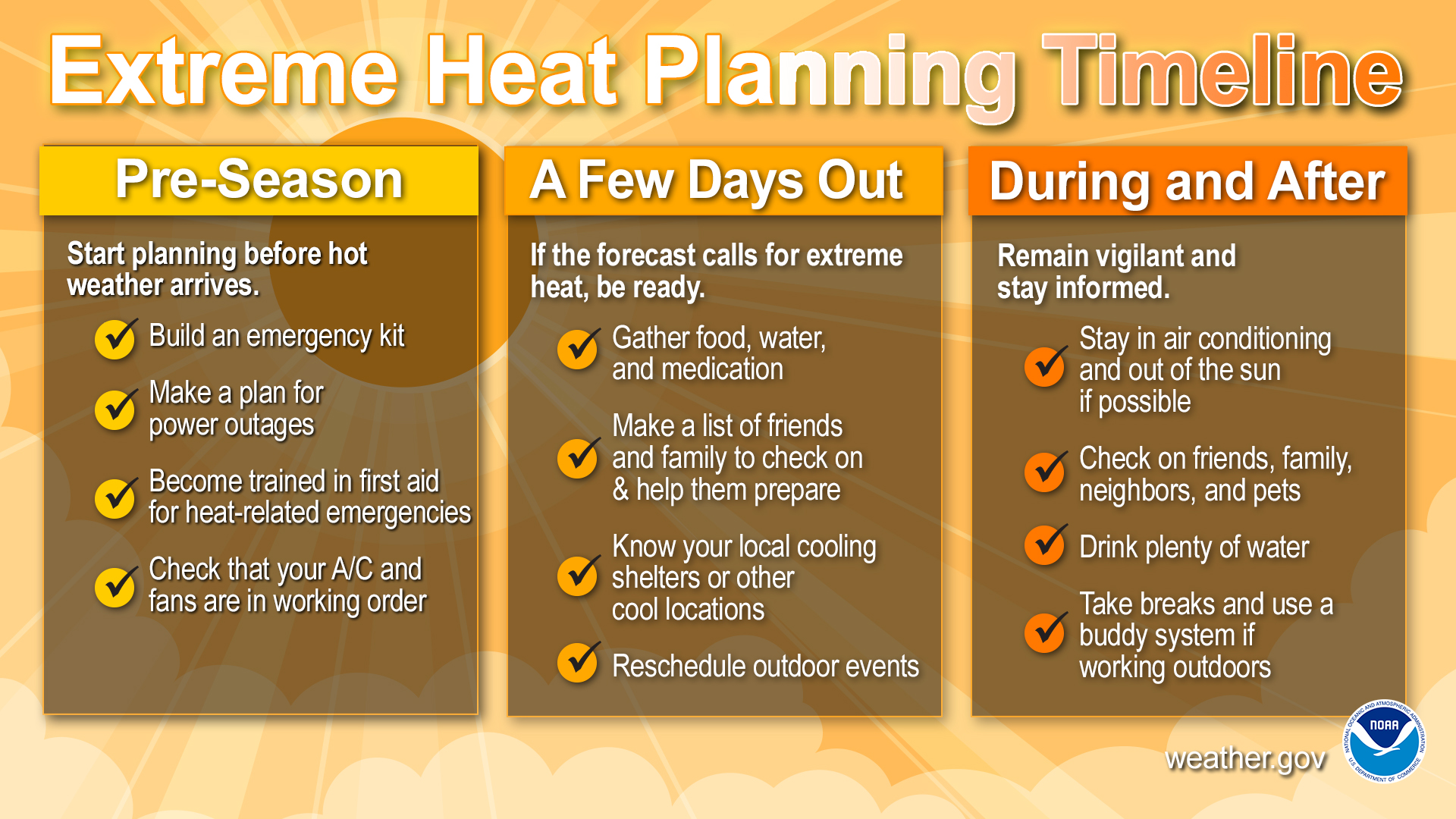
We categorize this move as a Momentum Shift. Moving away from total seasonal shutdowns toward a “readiness-first” posture indicates a maturing administrative mindset. While the immediate burden falls on the teaching staff, the structural gain for the examination system is undeniable. Future success will depend on how the DEA balances these attendance mandates with employee well-being during extreme weather conditions.








