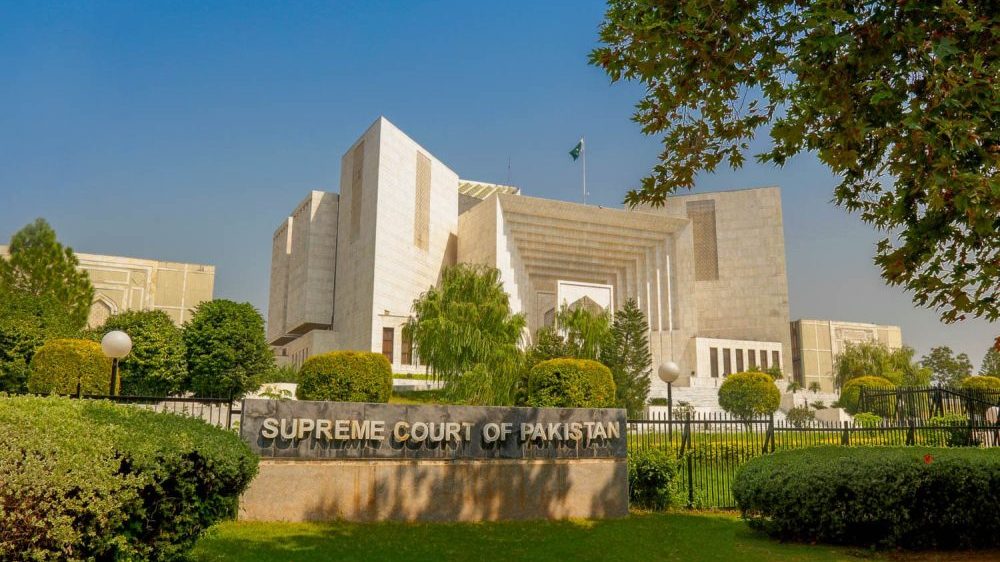
The architectural redesign of Pakistan’s judiciary begins with a digital-first baseline. The Supreme Court of Pakistan has officially calibrated its operations toward a high-efficiency e-courts system. This structural shift eliminates geographical barriers, allowing the judiciary to process cases with unprecedented precision. Consequently, the transition from physical registries to a seamless digital infrastructure marks a vital catalyst for national legal transparency.
Structural Efficiency via the E-Courts System
Chief Justice Yahya Afridi recently presided over the first multi-location hearing from the principal seat in Islamabad. Simultaneously, Justice Ayesha A. Malik joined the proceedings remotely from Lahore, while legal counsel participated from Quetta, Hyderabad, and Karachi. This decentralized approach ensures that the e-courts system provides equal access to justice regardless of a litigant’s physical location.
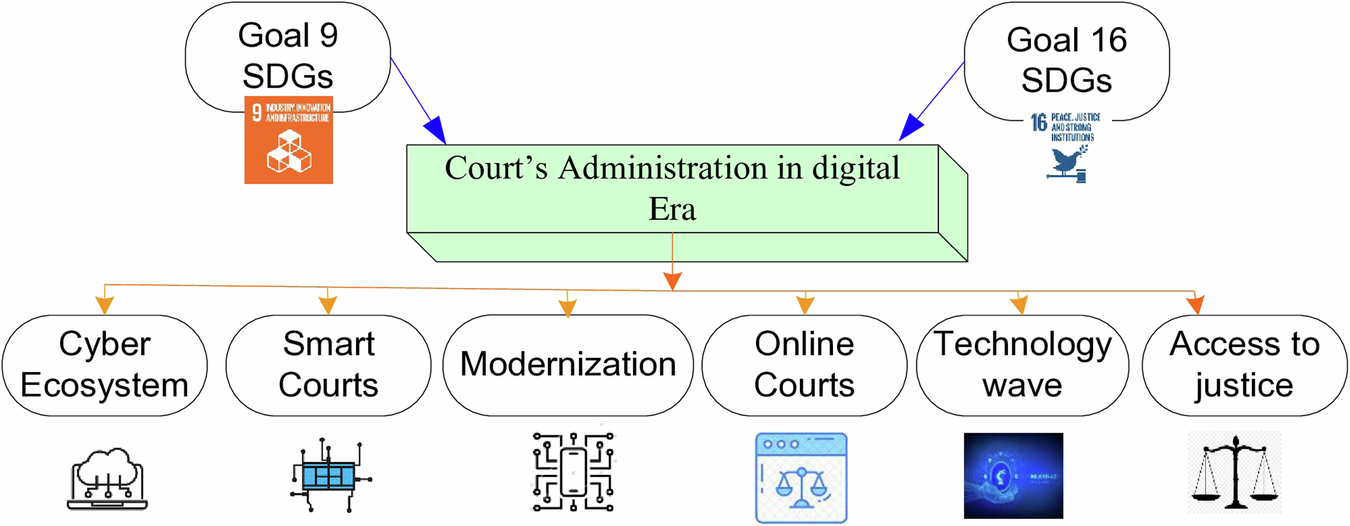
Furthermore, the court has transitioned to fully digitized case files. By reducing reliance on physical records, the system significantly improves processing speeds. Attorneys can now access documents instantly during hearings, which eliminates the logistical delays previously caused by manual file retrieval from various registries.
The Digital Reform Toolkit
The modernization strategy includes several calibrated technological upgrades designed to optimize judicial throughput. Specifically, the court has integrated the following features:
- Barcode-based Tracking: Precise monitoring of every case file’s movement.
- Electronic Transmission: Instant delivery of court orders to relevant parties.
- Online Payment Systems: Streamlined fee processing for litigants.
- Video-Link Hearings: Robust connectivity for remote judicial participation.
- E-Office Integration: A complete shift toward paperless administrative workflows.

The Situation Room Analysis
The Translation (Clear Context)
While “e-courts” might sound like simple video calling, the underlying logic is much deeper. This is a complete overhaul of the judicial data architecture. By implementing an e-courts system, the Supreme Court is moving from a “physical-presence-required” model to a “data-centric” model. This means the law is no longer tethered to a specific building; it is a service accessible through a secure digital interface.
The Socio-Economic Impact
This development directly impacts the daily lives of Pakistanis by drastically reducing the “cost of justice.” For a professional in Quetta or a small business owner in Karachi, the ability to join a hearing remotely saves thousands in travel expenses and prevents the loss of working days. Ultimately, these efficiencies lower the barrier to legal entry for the average household, fostering a more equitable economic environment.
The Forward Path (Opinion)
This initiative represents a definitive Momentum Shift. While previous attempts at digitization were fragmented, the successful integration of multi-city hearings and barcode tracking suggests a comprehensive structural commitment. To maintain this progress, the state must now ensure that high-speed digital infrastructure reaches the most remote districts, ensuring the e-courts system serves every citizen equally.