
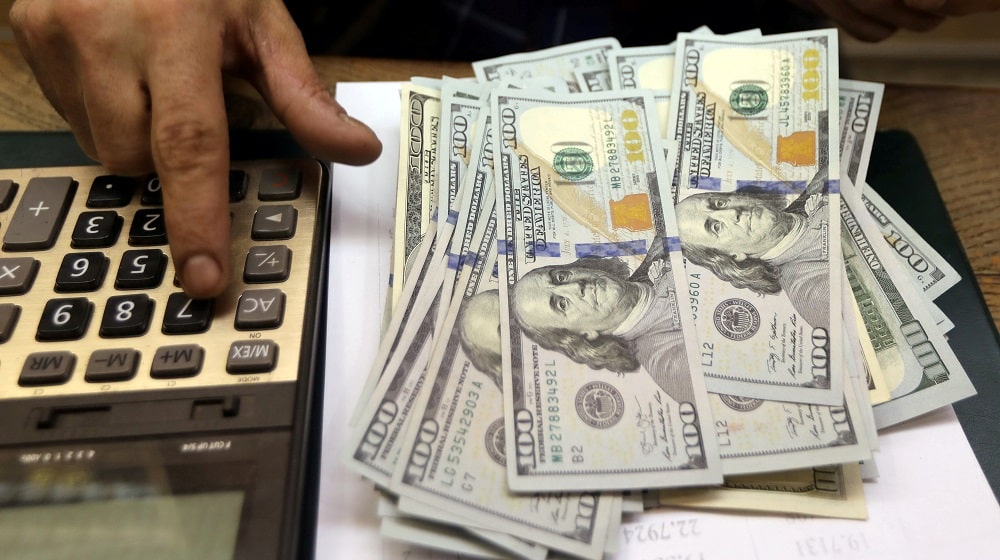
A strategic recalibration of Pakistan foreign reserves has occurred, with the State Bank of Pakistan (SBP) reporting a significant $1.37 billion decline, stabilizing the nation’s total liquid foreign exchange at $20.52 billion as of April 10, 2026. This precise adjustment primarily stems from the successful repayment of a crucial $1.4 billion Eurobond, a planned external payment that temporarily reduced the import cover to approximately 3.08 months. Crucially, a forthcoming $2 billion deposit from Saudi Arabia is anticipated to bolster these figures in the subsequent update, demonstrating a dynamic rebalancing within the national financial architecture.
The Translation: Understanding the Structural Shift in Pakistan’s Foreign Reserves
The recent decline in these reserves represents a structural adjustment rather than a systemic vulnerability. Specifically, the SBP’s latest weekly data indicates a $1.32 billion reduction in central bank-held reserves, which now stand at $15.08 billion. Concurrently, commercial banks observed a marginal $50 million decrease, bringing their holdings to $5.45 billion. This synchronized movement directly correlates with the nation’s proactive fulfillment of its international debt obligations, notably the $1.4 billion Eurobond repayment. Therefore, this action signifies robust adherence to fiscal commitments, a baseline requirement for international financial stability.
Furthermore, the import cover, a critical metric, has consequently adjusted from 3.35 months to approximately 3.08 months. This recalibration, while noteworthy, remains within a manageable operational threshold, especially when considering the imminent $2 billion influx from Saudi Arabia. This forthcoming deposit will serve as a stabilizing catalyst, reinforcing the nation’s external financing position and ensuring the sustained flow of essential imports.
The Socio-Economic Impact: Calibrating Daily Life with Pakistan’s Foreign Reserves Stability
For the average Pakistani citizen, the direct implications of fluctuations in Pakistan foreign reserves are both subtle and profound. A healthy reserve baseline ensures the nation’s capacity to import vital commodities, including petroleum products, pharmaceuticals, and industrial raw materials. Consequently, stable reserves help mitigate inflationary pressures by ensuring consistent supply chains and a relatively stable exchange rate. This predictability is vital for household budgeting and business planning across urban and rural sectors.
In addition, a robust foreign reserve position enhances international confidence, which can attract foreign direct investment and facilitate trade. For students, this translates to improved access to global educational resources. For professionals, it suggests a stable economic environment conducive to job creation and business expansion. In contrast, any significant or prolonged decline could lead to import restrictions, price hikes, and a general tightening of economic conditions, impacting daily expenditures and long-term planning for families nationwide.
The Forward Path: A Stabilization Move Towards Economic Resilience
This recent development, marked by a disciplined Eurobond repayment and the strategic Saudi deposit, unequivocally signals a Stabilization Move for Pakistan’s economic trajectory. It demonstrates the nation’s unwavering commitment to honoring its financial obligations, a fundamental pillar for long-term fiscal health. While a temporary reduction in reserves might appear as a setback, it is precisely this adherence to structural financial discipline that builds credible international partnerships and investment confidence.
The forthcoming injection of $2 billion from Saudi Arabia underscores a calibrated approach to maintaining liquidity and ensuring external sector stability. This action is not merely reactive; it is a forward-thinking component of a broader strategy aimed at fortifying Pakistan’s economic resilience. Therefore, rather than a significant momentum shift, this represents a crucial phase of consolidation and reinforcement, establishing a stronger baseline for future growth initiatives.








