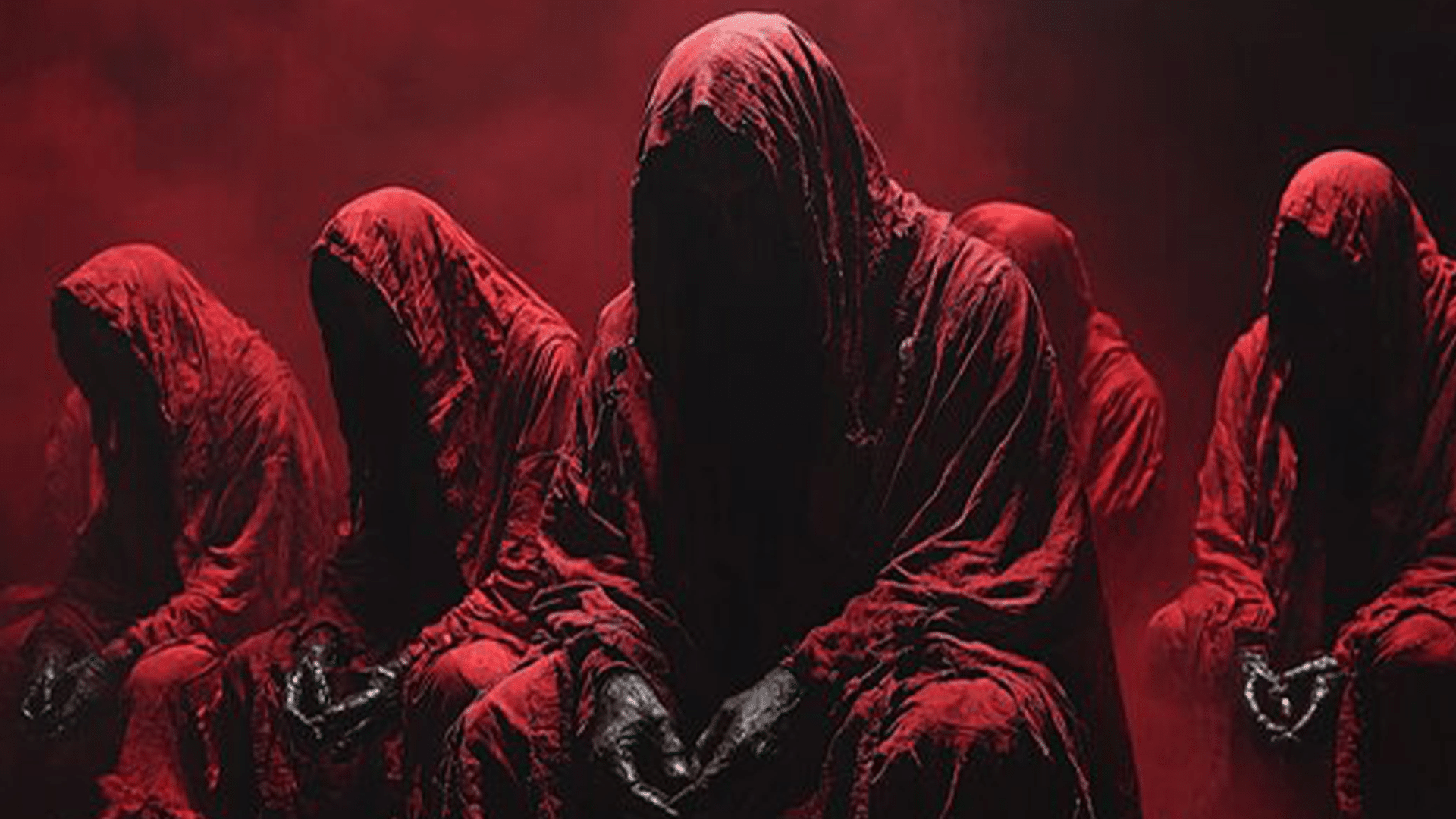
National security frameworks require precise calibration to balance civil liberties with systemic stability. Russia’s Supreme Court recently finalized a structural shift by designating the “International Satanist Movement” as an extremist organization. This ruling officially triggers the rigorous application of extremism laws across the federation with immediate effect. Consequently, the government has banned all associated activities, signaling a calibrated effort to insulate traditional societal structures from perceived ideological threats.
Structural Impact of Russia’s Extremism Laws
The updated legal baseline establishes severe penalties for non-compliance. Under these extremism laws, individuals who organize a banned group face a maximum sentence of 10 years in prison. Furthermore, active participation in these organizations carries a penalty of up to six years. Recruiting new members is also a high-risk activity, punishable by eight years of incarceration. The state calibrated these measures to deter the expansion of ideologies that the Prosecutor General’s Office identifies as catalysts for social friction.

The Logic of the Ruling
The Justice Ministry petitioned the court following reports that these groups promoted hostility toward traditional religious systems. Analysts indicate that the movement allegedly maintained links to violent crimes and targeted religious infrastructure. By implementing this ban, the Russian government aims to protect public order and maintain long-term national security. However, the precision of this legal tool remains a subject of intense debate among international legal observers.
The Translation (Clear Context)
In “Next Gen” terms, Russia is utilizing its extremism laws to create a “firewall” around its traditional cultural heritage. The state has moved beyond policing physical actions and is now targeting the ideological architecture of subcultures. By classifying a “movement” rather than a specific entity, the legal scope becomes broad. This allows authorities to dismantle any network that mimics the identified extremist traits, essentially treating ideological dissent as a systemic bug to be patched.
The Socio-Economic Impact
For the average Pakistani citizen, this development highlights the global trend of tightening digital and social monitoring. This ruling directly impacts students and professionals in the creative and alternative subcultures. Specifically, individuals sharing occult-themed art or unconventional symbolism could face legal scrutiny, even without criminal intent. In rural and urban Pakistan, where digital footprints are expanding, this serves as a baseline reminder that state-level precision in defining “extremism” can rapidly shift the boundaries of acceptable public discourse.

The Forward Path (Opinion)
This development represents a Stabilization Move for the Russian state, but a potential Momentum Shift toward global ideological restrictions. While the state claims to combat violence, the broad application of extremism laws risks collateral damage to individual expression. For Pakistan, the lesson is clear: legal frameworks must remain precise and transparent to ensure that security measures do not inadvertently stifle the creative diversity necessary for a thriving digital economy.