

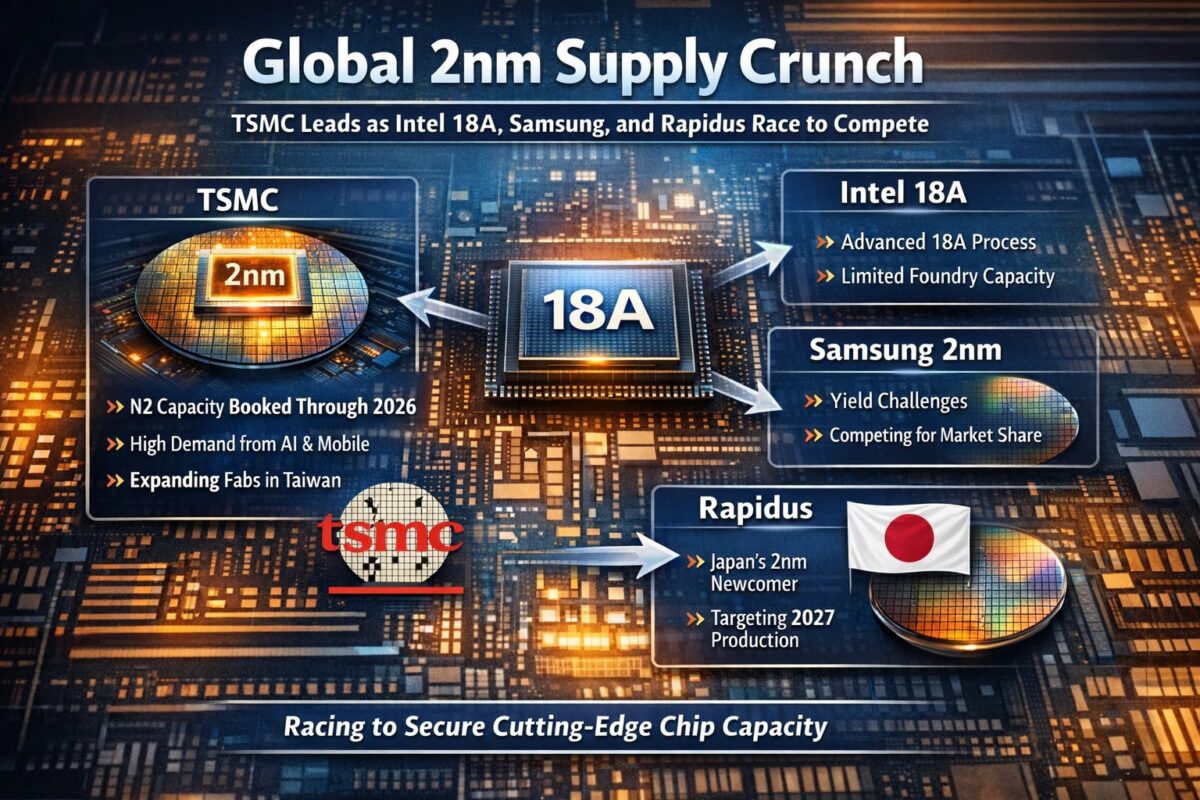
AMD is strategically diversifying its semiconductor supply chain by placing a high-precision order for its upcoming AMD 2nm CPU with Samsung Electronics. This calibrated shift addresses the critical supply crunch at TSMC, which currently remains booked through 2028. By leveraging Samsung’s foundry expertise, AMD secures the production pipeline for its next-generation Venice and Verano processors.
The Next Frontier: AMD 2nm CPU Development
Daishin Securities recently identified a “North American fabless customer” as the primary driver for Samsung’s 2nm notebook orders. Industry analysts confirmed that this customer is likely AMD, seeking to utilize Samsung’s advanced manufacturing capabilities. This partnership represents a structural shift in AMD’s procurement strategy, moving away from a single-foundry dependency.
Technical Architecture: Venice and Verano Processors
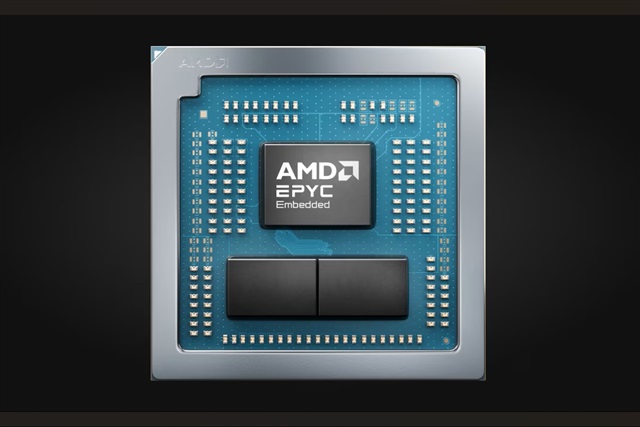
The deal specifically targets the upcoming Venice processors, which AMD expects to launch in 2026. These chips will feature up to 256 Zen 6C cores spread across eight Core Complex Dies. Consequently, these specifications aim to redefine the performance baseline for high-end notebooks and data centers.
Furthermore, the Verano variant will focus on agentic AI and inference workloads by 2027. This processor will serve as the host CPU for AMD’s Instinct MI500 series GPUs while utilizing the futuristic Zen 7 architecture. Such precision engineering highlights AMD’s commitment to dominating the AI infrastructure market.
The Translation: Decoding the Semiconductor Shift
In simple terms, “2nm” refers to the scale of miniaturization on a chip. The smaller the scale, the more transistors can fit into a single processor, leading to faster speeds and lower power consumption. Samsung’s 2nm process utilizes Gate-All-Around (GAA) technology, which offers better control over electrical current than traditional methods.

AMD’s decision to engage Samsung is a tactical move to ensure product availability. While TSMC remains the industry leader, their production lines are at maximum capacity. By splitting production, AMD avoids potential delays in releasing the AMD 2nm CPU, ensuring they meet the rising demand for AI-capable devices.
The Socio-Economic Impact: Hardware Resilience for Pakistan
This development carries significant weight for the Pakistani tech ecosystem. As AMD scales its AMD 2nm CPU production, the global supply of high-efficiency hardware will stabilize. Consequently, Pakistani students, developers, and AI researchers will gain easier access to advanced computing tools at more competitive price points.
- Systemic Efficiency: Diversified manufacturing reduces the likelihood of global price spikes in the laptop market.
- Academic Growth: Enhanced AI hardware availability empowers local researchers to run complex inference models locally.
- Economic Stability: Reliable hardware supply chains allow Pakistani tech firms to plan multi-year infrastructure upgrades with greater precision.
The Forward Path: A Strategic Momentum Shift
We categorize this development as a definitive Momentum Shift. AMD is not merely looking for a backup supplier; they are actively building a multi-foundry ecosystem to challenge Intel and NVIDIA’s dominance. Samsung’s ability to deliver high yields on the 2nm GAA process will determine the performance trajectory of the next decade’s computing landscape.
Ultimately, the success of the AMD 2nm CPU will depend on how well Samsung executes this high-stakes production run. If Samsung meets the quality benchmarks, we expect to see a more balanced and resilient global semiconductor market that benefits consumers and innovators alike.








