

The global smartphone ecosystem is currently witnessing a calibrated shift in hardware philosophy, as early leaks regarding the Galaxy S27 Ultra camera suggest a move toward structural efficiency. Industry insiders indicate that Samsung is not merely updating components but is instead architecting a new four-model lineup that includes a specialized “Pro” variant. This development signals a departure from incremental upgrades, aiming for a more precise alignment of hardware capabilities across its premium tier.
Engineering the New Galaxy S27 Ultra Camera Architecture
Data from reliable tipsters, including Ice Universe, suggests that Samsung engineers are planning a significant consolidation of the rear optical array. Consequently, the Galaxy S27 Ultra camera may transition from its traditional quad-lens configuration to a streamlined triple-sensor system. This structural pivot likely involves removing the dedicated 3x telephoto module in favor of a singular, high-performance telephoto shooter capable of variable precision. Furthermore, new sensors for the main and ultrawide lenses are expected to serve as the baseline for this updated imaging pipeline.
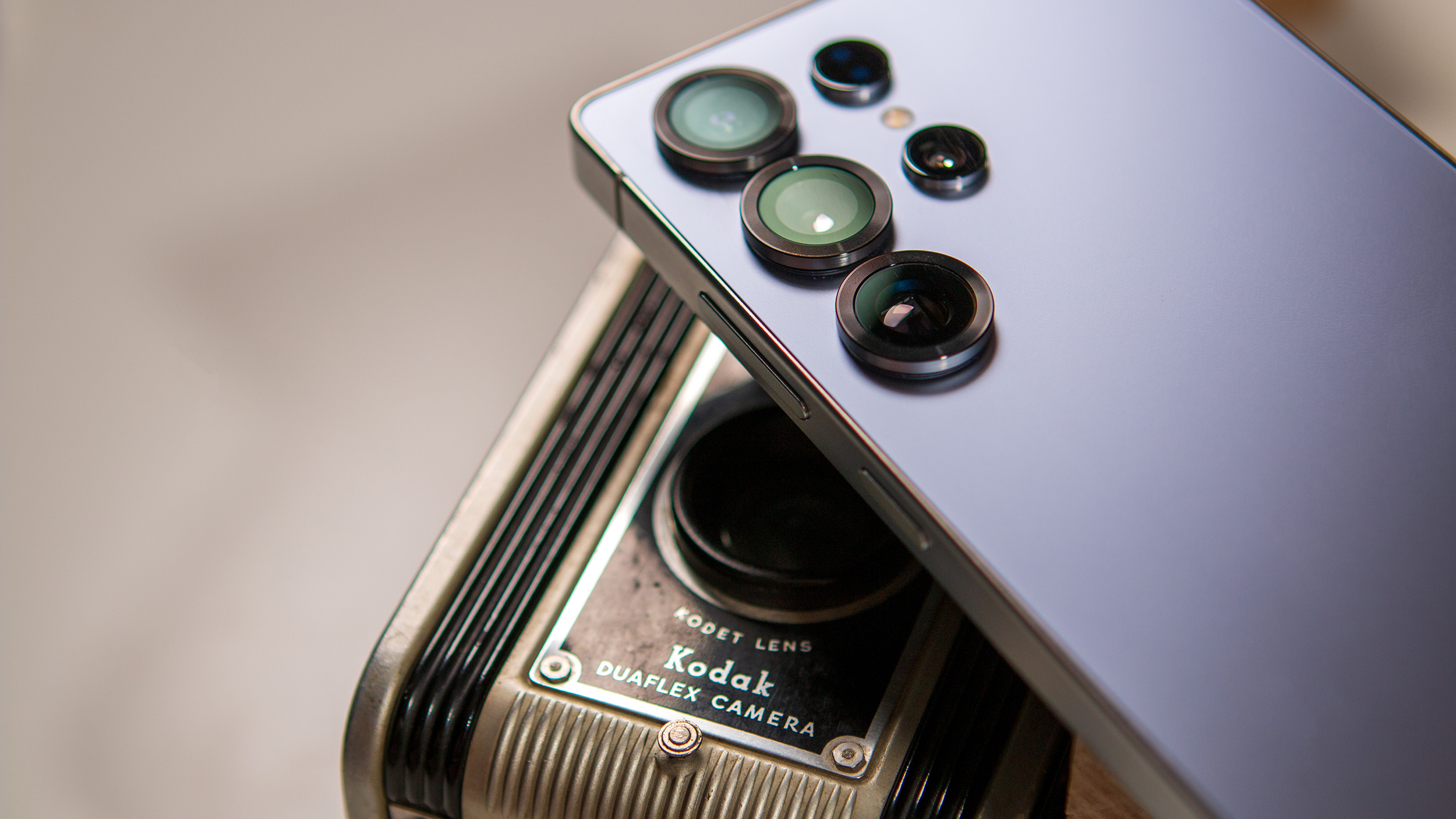
While some observers might perceive the reduction in lens count as a downgrade, the strategic logic points toward higher sensor quality. By focusing on three high-fidelity sensors rather than four specialized ones, Samsung can optimize the image processing catalyst. This approach ensures that every capture benefits from maximum data throughput and reduced digital noise.
The Strategic Convergence of the S27 Pro and Ultra
The introduction of the Galaxy S27 Pro introduces a new variable into Samsung’s mobile equation. Reports indicate that this model will share the primary and ultrawide sensors with its Ultra sibling, establishing a unified standard for visual fidelity. However, the telephoto hardware will remain the primary differentiator. This distinction allows Samsung to offer a more compact flagship without compromising the foundational quality of the Galaxy S27 Ultra camera technology.
The Situation Room Analysis
The Translation
In technical terms, Samsung is moving away from “specification bloat” toward “systemic optimization.” Instead of using multiple physical lenses to cover different zoom ranges, the new architecture likely utilizes a high-resolution sensor and advanced cropping algorithms to achieve superior results. This logic prioritizes the quality of individual pixels over the sheer quantity of hardware components.
The Socio-Economic Impact
For the Pakistani consumer, this shift represents a move toward more durable and efficient technology. A streamlined camera system reduces potential points of hardware failure and may stabilize the rising costs of premium components. For students and professionals in urban centers like Lahore and Karachi, this means more reliable high-end tools for digital content creation and professional documentation.
The Forward Path
This development represents a Momentum Shift. By recalibrating the Galaxy S27 Ultra camera to focus on three high-performance sensors, Samsung is acknowledging that computational photography has reached a baseline where hardware quantity is no longer the primary catalyst for progress. This move toward precision engineering over numerical superiority is a necessary evolution for the next generation of mobile devices.








