In a strategic move to advance digital capabilities, Samsung has officially confirmed the imminent launch of its Galaxy S26 series. This critical unveiling, featuring the Samsung Galaxy S26 launch, Galaxy S26+, and Galaxy S26 Ultra, is slated for February 25. The next Galaxy Unpacked event in San Francisco will host this global reveal, which will be livestreamed, ensuring widespread access to the technological announcement.
Optimized Access: Early Reservation for Galaxy S26 Models
Consumers can now secure early access to these cutting-edge devices. Samsung has initiated a pre-reservation program, requiring a nominal fee via its official website. This structured approach allows enthusiasts to gain a calibrated advantage, ensuring they are among the first to experience the new Galaxy S26 models upon release.
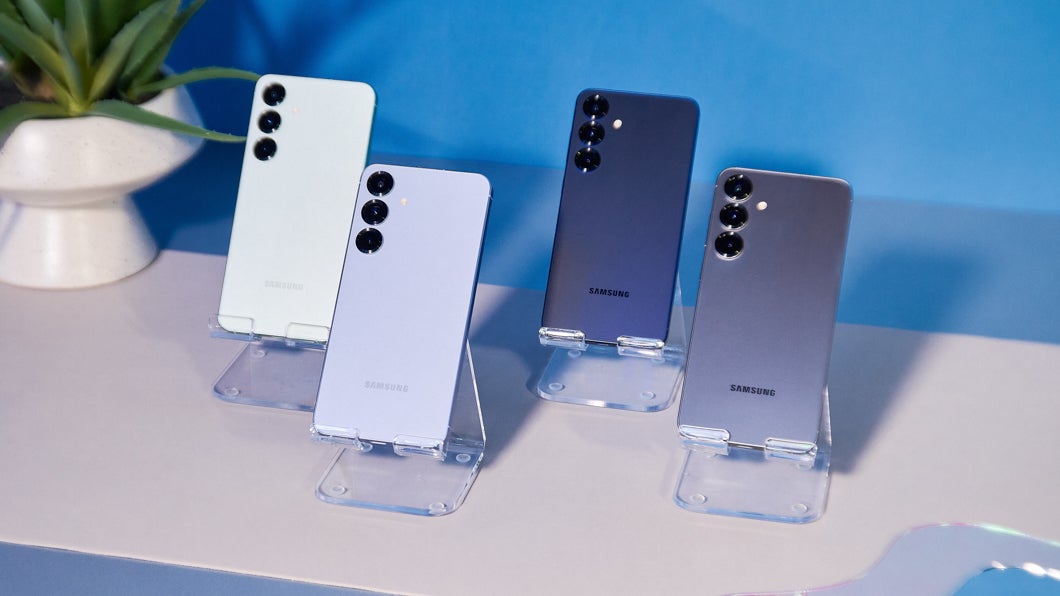
The Translation: Deconstructing Core Specifications
While the official presentation approaches, core specifications have proactively surfaced through reliable leaks. Understanding these details provides crucial context for the devices’ operational baselines. These include processing power, memory architecture, and battery longevity, all vital for an optimized user experience.
Baseline Performance: The Samsung Galaxy S26 and S26+
Both the Galaxy S26 and S26+ are projected to integrate the Exynos 2600 chipset across most global markets. Critically, these models are anticipated to maintain the display dimensions of their predecessors. Furthermore, each device will feature a robust 12GB of RAM, establishing a high-performance standard for multitasking and application execution.
- Galaxy S26: Expected to feature a 4,300 mAh battery, ensuring reliable daily power autonomy.
- Galaxy S26+: Anticipated to retain the current S25+’s 4,900 mAh battery, offering extended operational hours for demanding users.
Interestingly, the rear camera hardware on both models is rumored to remain structurally consistent. This suggests a calibrated focus on software optimization and computational photography rather than significant optical overhauls.

Strategic Advancement: Galaxy S26 Ultra Enhancements
The Galaxy S26 Ultra represents a significant leap in mobile processing architecture. This premium device is expected to feature a bespoke Snapdragon 8 Elite Gen 5 for Galaxy chipset. This optimized processor indicates a strategic intent to deliver unparalleled performance and efficiency for power users.
Furthermore, the Ultra model will reportedly include a substantial 5,000 mAh battery. This powerhouse supports rapid charging, offering up to 60W wired charging and 25W wireless charging capabilities. While camera resolutions are projected to remain constant, the lenses are rumored to incorporate larger apertures. Consequently, this structural enhancement could lead to superior low-light performance and refined image capture across diverse environments.

The Socio-Economic Impact: Catalyzing Pakistani Digital Progress
The upcoming Samsung Galaxy S26 launch represents a crucial development for Pakistani citizens, particularly students and professionals. Enhanced processing power and advanced camera systems will directly support educational pursuits and professional tasks. Therefore, these devices act as catalysts for improved productivity and creativity.
Specifically, the robust battery life in models like the S26+ and S26 Ultra addresses critical needs in areas with intermittent power supply. Furthermore, the enhanced connectivity facilitated by next-gen chipsets will bridge digital divides, empowering both urban and rural communities. This technological infusion will enable more efficient remote work, online learning, and access to digital public services, structurally improving daily life and fostering national advancement.
The “Forward Path”: A Momentum Shift for Mobile Innovation
This Samsung Galaxy S26 launch clearly signifies a Momentum Shift for the mobile technology landscape in Pakistan. The emphasis on custom chipsets, advanced charging capabilities, and optimized performance moves beyond mere iterative updates. Samsung is strategically positioning these devices to redefine user expectations and operational efficiency. This structural advancement will undoubtedly elevate the national digital infrastructure and user capability, fostering significant progress across various sectors.